Lemon
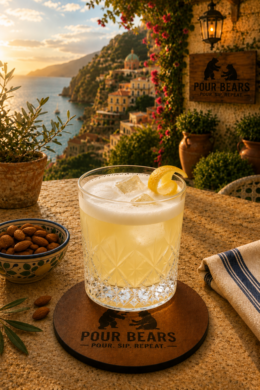
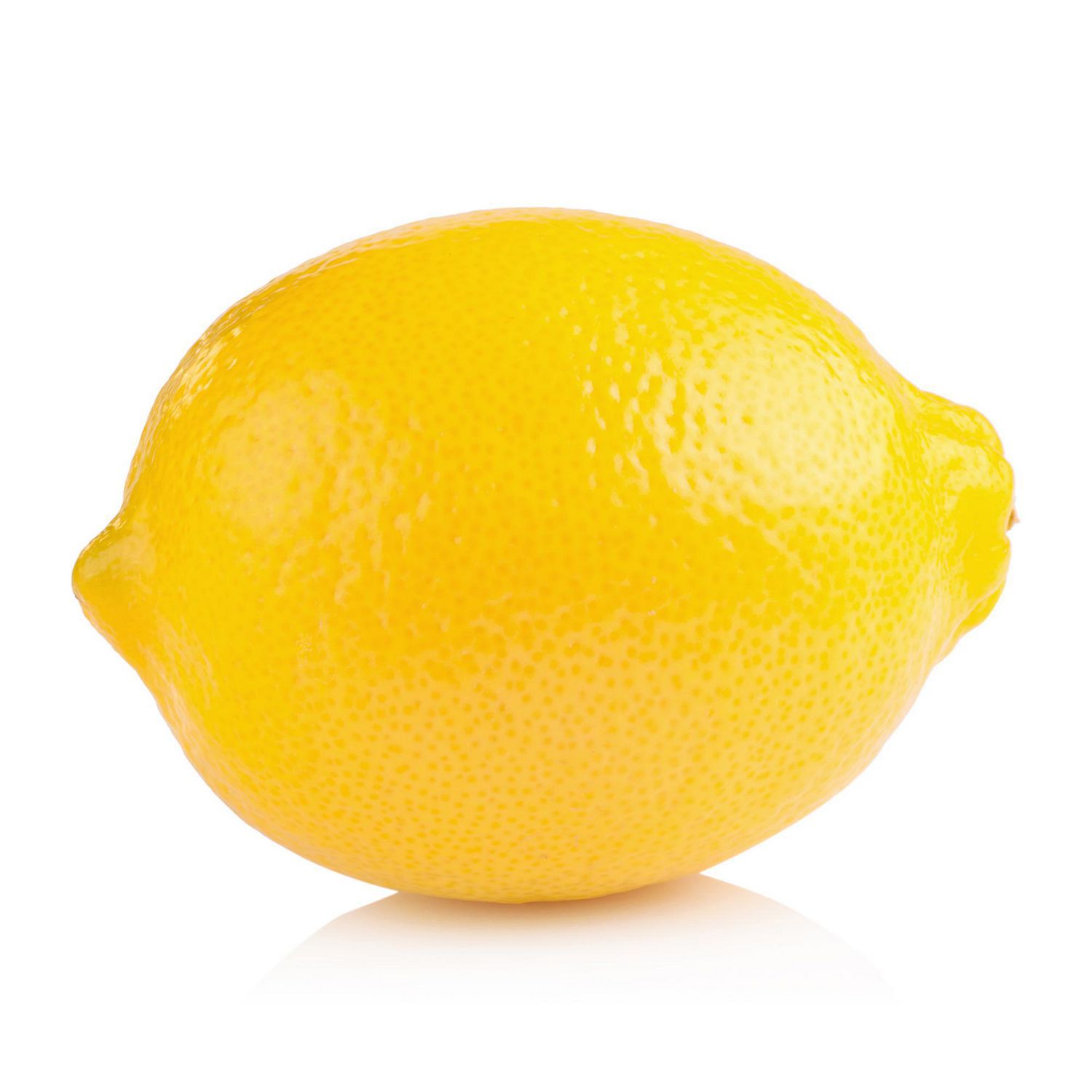
Fresh lemon, juiced for acidity or used as a peel/wedge garnish.
Origin
South Asia (likely northeastern India), spreading through the Middle East and into the Mediterranean by the early medieval period, later carried worldwide by explorers and colonizers.
History
Lemons trace to South Asia, likely a natural hybrid of citron and a wild mandarin/pomelo cross, spreading west through Persia and the Arab world before reaching the Mediterranean by around the 10th-11th century. They became indispensable to bartending almost as soon as mixed drinks existed, providing the bright acidity that balances sugar and spirit in the classic "sour" template (spirit, citrus, sweetener) that underlies an enormous share of all cocktails, from the Whiskey Sour to the Daiquiri's lime-based cousin recipes.
Flavor profile
Sharp and bright, with a clean, high acidity and a fragrant, oily peel distinct from lime's slightly more bitter tartness.
Tasting notes
Fresh lemon juice brings a clean, sharp sourness that balances sweetness without lime's slightly more bitter, tropical edge, and its peel's essential oils, expressed as a twist, add a fragrant citrus aroma that pure juice alone doesn't provide.
Substitutes
- Lime juice, for a related but distinctly different tartness and flavor.
- Bottled lemon juice, in a pinch, understanding it lacks fresh juice's brightness and aromatic peel oils.
- Meyer lemon, for a sweeter, less sharply acidic variation.