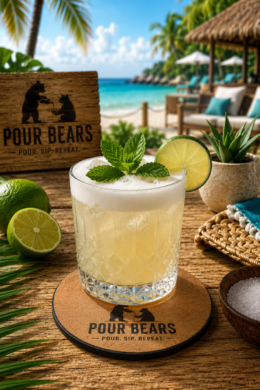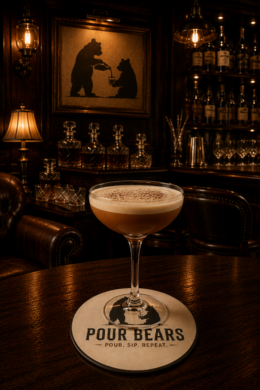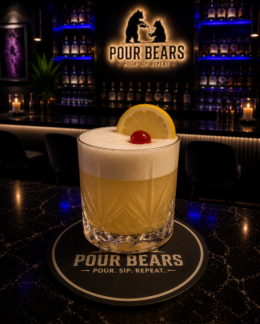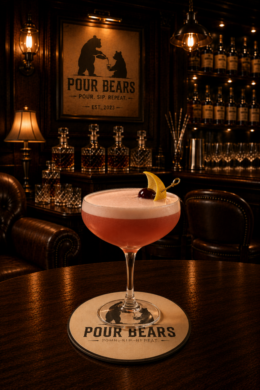

Egg White
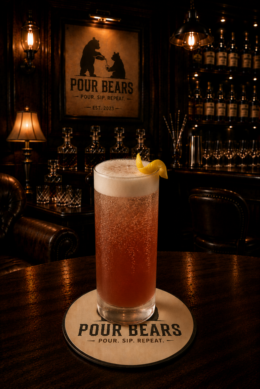
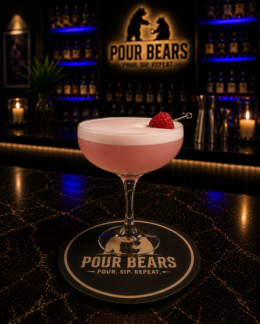
Used to add a silky texture and a light, foamy head to sours and Fizzes.
Origin
Wherever poultry has been domesticated; using just the white (rather than the whole egg) in cocktails developed as bartenders isolated its foaming property.
History
Egg white's specific cocktail role, creating a silky, long-lasting foam when dry-shaken (shaken without ice first, then again with ice), became a defining technique of the sour cocktail family by the late 19th and early 20th centuries, most iconically in the Whiskey Sour and Pisco Sour. It fell somewhat out of fashion for stretches of the 20th century amid health worries about raw egg, then saw a strong revival during the craft cocktail movement, which reembraced classic technique over convenience.
Flavor profile
Neutral in flavor, contributing texture (a smooth, dense foam) rather than taste.
Tasting notes
Egg white itself is essentially flavorless, but it transforms a shaken sour into something with a thick, cushiony foam and a silkier overall mouthfeel, softening citrus's sharpness without diluting or sweetening the drink.
Substitutes
- Aquafaba (the liquid from canned chickpeas), for a nearly identical foaming effect without using real egg.
- Pasteurized liquid egg whites, for the same effect with reduced raw-egg food-safety concerns.
- A foaming bitters or specialty "fizz" product, for a texture-only substitute in a pinch.