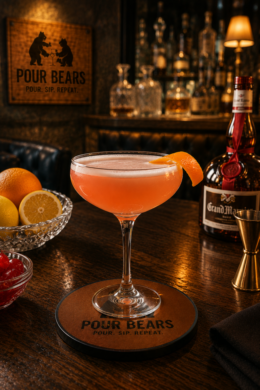
A1
Gin Cocktail ★ Favorite

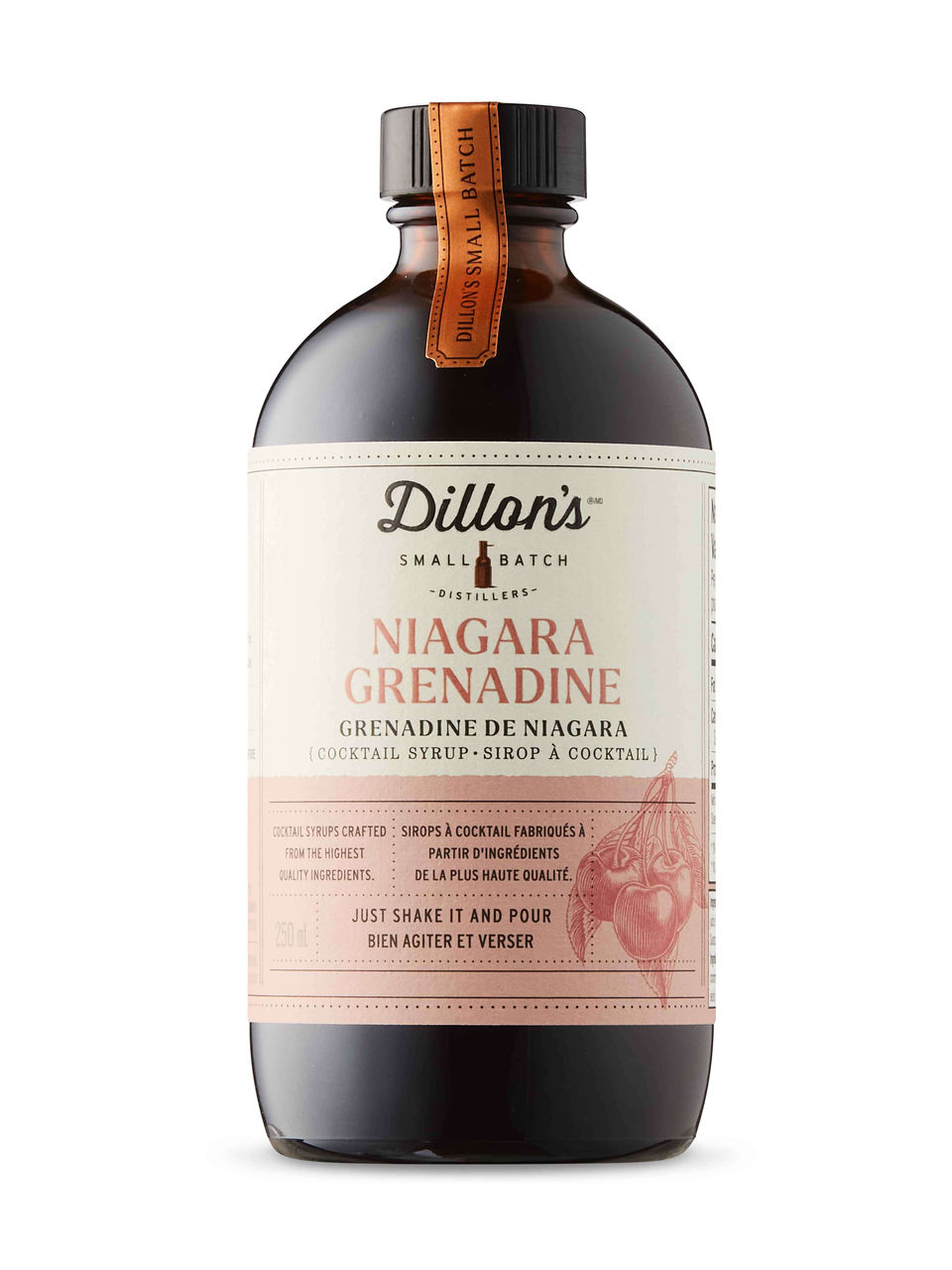
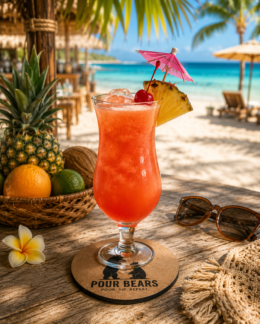
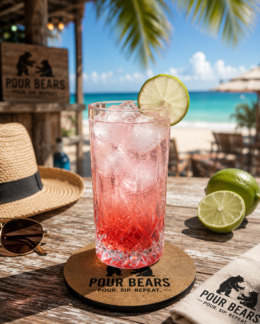
A sweet, deep-red syrup traditionally made from pomegranate, used to add sweetness, color, and a fruity note (as in the Tequila Sunrise or Shirley Temple).
France, named from "grenade," the French word for pomegranate, first documented as a flavoring syrup in a 1769 apothecary manual and popularized commercially through the mid-19th century.
True grenadine started as a pomegranate-based syrup, first noted in French medical literature in 1769 and appearing in cocktail recipe books by the 1890s. Ironically, nearly all commercial grenadine sold from the 1880s through Prohibition and well beyond was entirely artificial, made from little more than sugar, red dye, and citric acid, with no actual pomegranate involved, despite the name (a dispute over this exact issue produced a lawsuit as early as 1872). The bright red, artificially flavored version became the default "bar syrup" familiar in Shirley Temples and Tequila Sunrises for most of the 20th century, while the craft cocktail revival brought a return to real, pomegranate-based grenadine, which tastes noticeably deeper, tarter, and less purely sweet than the neon-red version.
Sweet-tart pomegranate flavor with floral notes in real versions; artificial commercial versions taste more like generic "red" candy sweetness.
Real grenadine is deep and slightly bitter with genuine pomegranate character, closer to a fruit cordial than a soda syrup; the ubiquitous bright-red commercial version is simpler and purely sweet, tasting more like cherry candy than actual pomegranate.