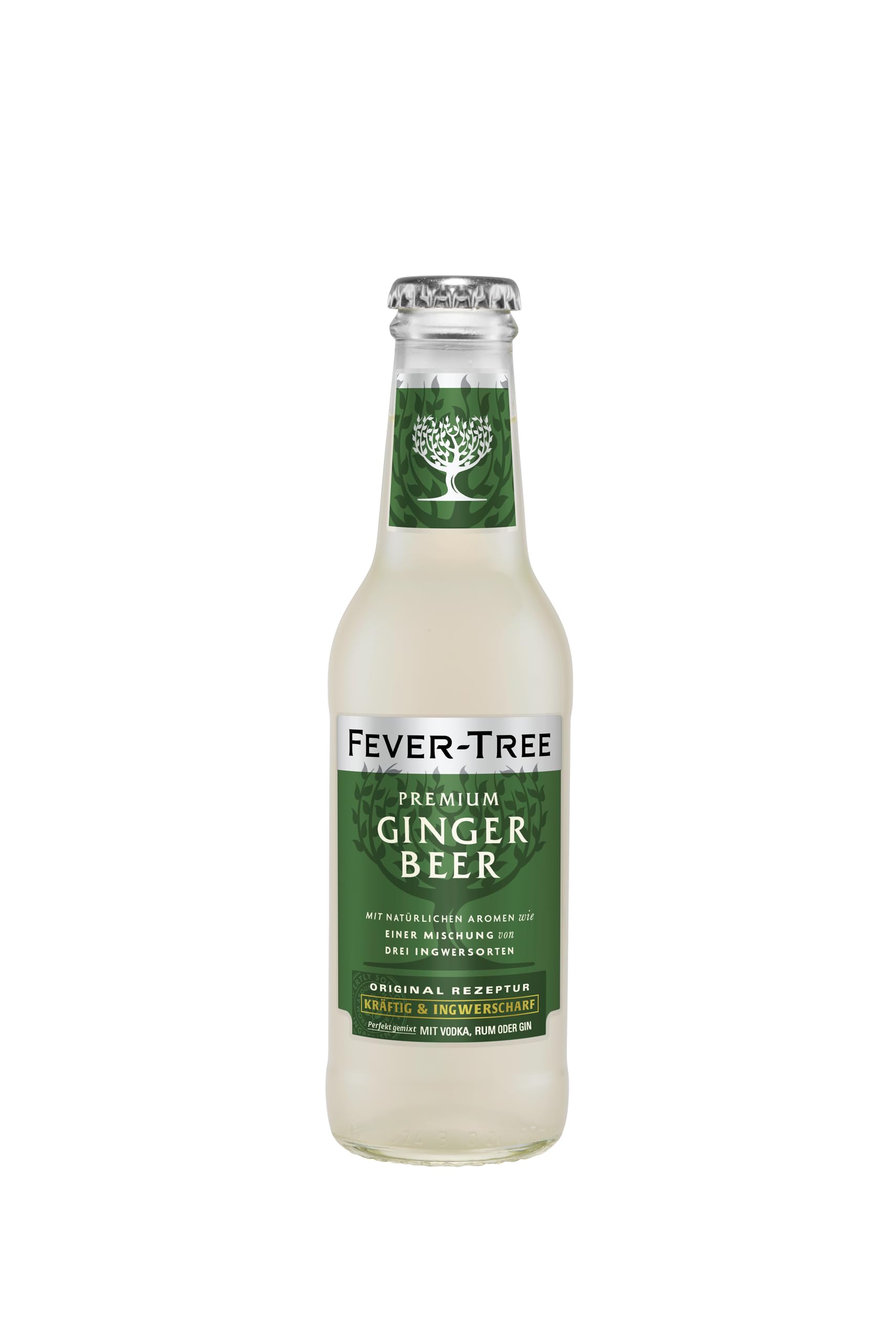
Ginger Beer
A stronger, spicier, less sweet carbonated ginger drink than ginger ale - essential to a Moscow Mule.
Origin
England, developed in the mid-18th century as a fermented, naturally carbonated ginger drink, distinct from the later, non-fermented ginger ale.
History
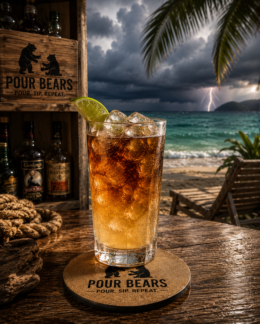
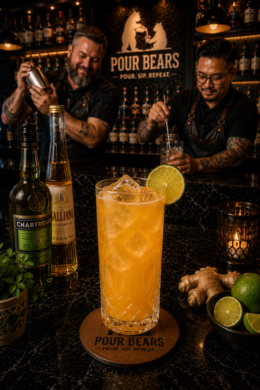
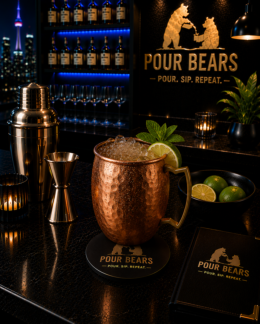
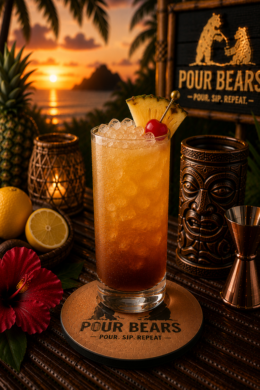
Traditional ginger beer began in 18th-century England as an actually fermented drink, made with a "ginger beer plant" (a symbiotic culture of yeast and bacteria) that produced natural carbonation and a small amount of alcohol, quite different from modern commercial versions, which are typically brewed for flavor and then artificially carbonated rather than fermented. It became closely associated with two now-classic cocktails: the Dark 'n' Stormy (Bermuda, early 20th century, built around Gosling's rum) and the Moscow Mule (Los Angeles, 1941), both of which rely on ginger beer's sharper, spicier bite compared to milder ginger ale.
Flavor profile
Bold, spicy ginger heat with a sharper bite and more pronounced carbonation than ginger ale.
Tasting notes
Noticeably spicier and less sweet than ginger ale, with real ginger heat that stands up to strong spirits like dark rum and vodka rather than getting lost behind them - the defining structural ingredient in both the Moscow Mule and Dark 'n' Stormy.
Substitutes
- Ginger ale, for a milder, sweeter substitute that changes the drink's character noticeably.
- A different ginger beer brand, since spiciness level varies quite a bit by producer.
- Club soda with a generous amount of ginger syrup, as a homemade approximation of the heat and fizz.