Club Soda
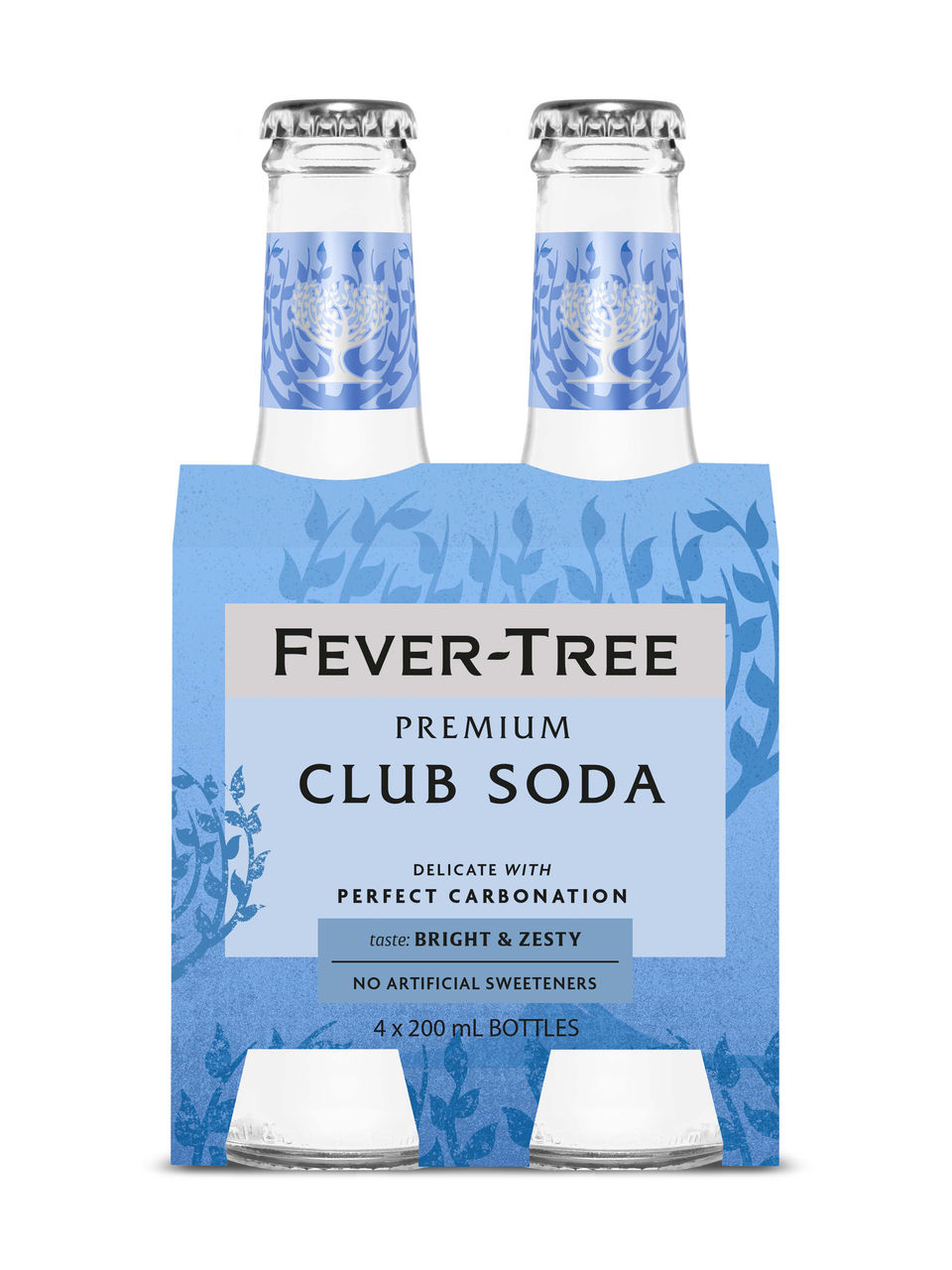
Plain carbonated water, used to add fizz and dilution without added flavor.
Origin
Artificially carbonated, mineral-salted water, developed commercially in the late 18th and 19th centuries following early experiments in carbonating water.
History
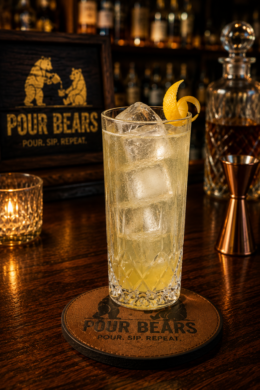
Club soda grew out of the same 18th-century carbonated-water experiments (Joseph Priestley's among the most famous) that eventually produced the entire soft drink industry, distinguished from plain sparkling water by a small addition of mineral salts (like sodium bicarbonate) for a slightly different mouthfeel and taste. It became a bar staple almost immediately, since a neutral fizzy mixer is essential to an enormous range of classic highballs, from the Tom Collins to the Whiskey Highball, adding lift and dilution without competing flavors.
Flavor profile
Neutral and clean, with a faint mineral note from added salts, and no sweetness (unlike tonic water).
Tasting notes
Essentially flavorless beyond a very light mineral quality, existing purely to add carbonation and dilution to a drink without introducing any competing sweetness or bitterness the way tonic water does.
Substitutes
- Plain sparkling/seltzer water, for a nearly identical role minus the very faint mineral-salt taste.
- Sparkling mineral water, for a slightly more pronounced mineral character.
- Tonic water, only if a little sweetness and bitterness are actually wanted, since it changes the drink more than a true club soda substitute would.