Brandy
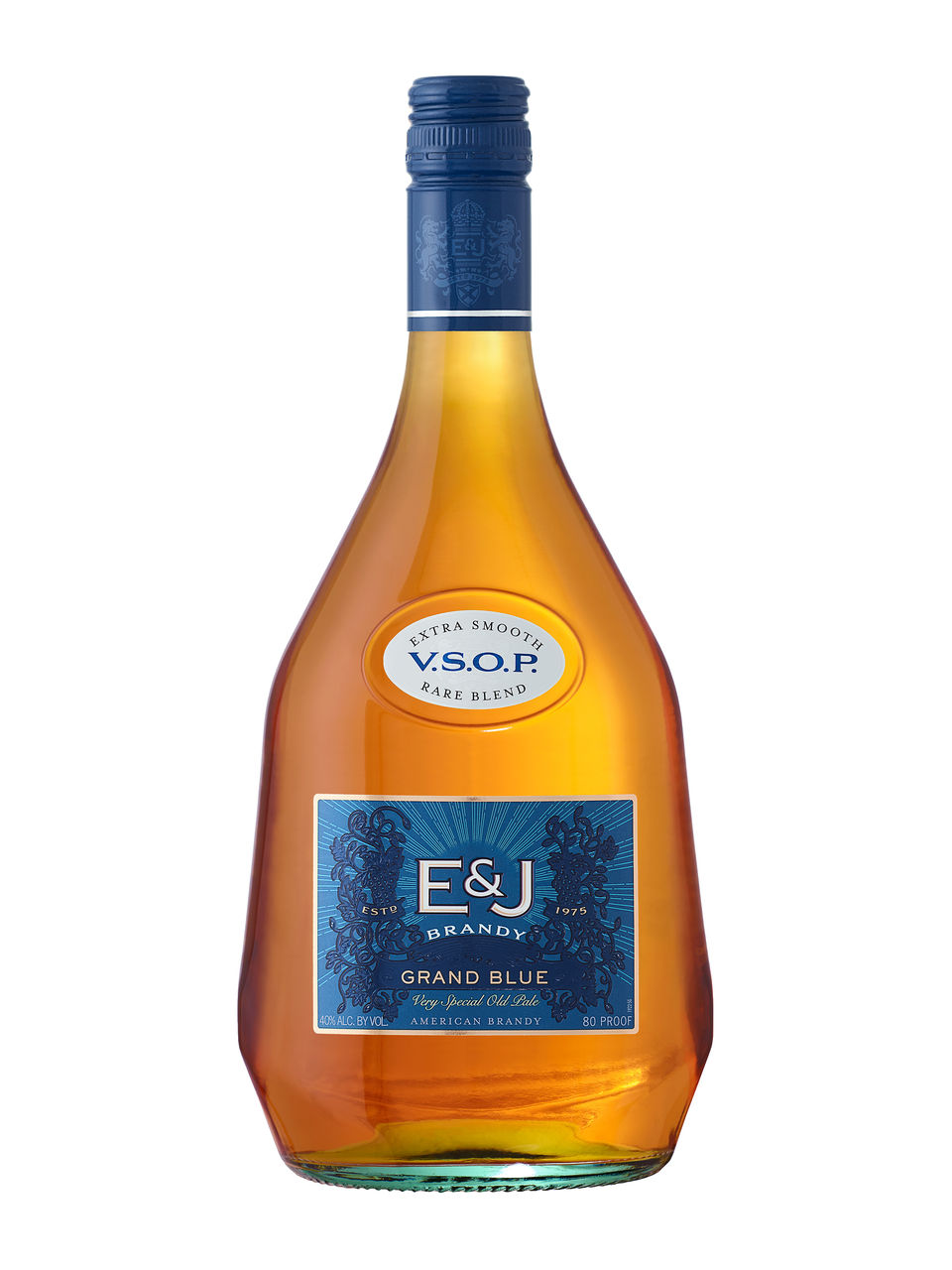
A spirit distilled from fermented fruit, most commonly grapes, and typically aged in oak for a warm, rounded flavor.
Origin
Continental Europe, distilled from wine; Cognac and Armagnac in France are the best-known regional styles.
History
Brandy developed from Dutch traders distilling wine into "brandewijn" (burnt wine) to make it easier and cheaper to ship in the 16th and 17th centuries. French producers in the Cognac and Armagnac regions refined the process and began aging it in oak, turning a practical shipping solution into a prized, sippable spirit in its own right. Brandy was a cornerstone of pre-Prohibition American cocktails (the Sidecar, the Brandy Alexander, the Metropole among them) before whiskey and gin took over as the era's dominant base spirits.
Flavor profile
Fruity and oak-aged, with dried fruit, vanilla, and baking spice; grape brandies like Cognac are smoother and more refined, while fruit brandies (apple, cherry, apricot) carry a lighter, more overtly fruity character.
Tasting notes
Cognac and other grape brandies are rounded and rich, with dried fruit, vanilla, and a warm oaky finish. Fruit brandies smell strongly of their base fruit up front, with a lighter, sweeter profile than a grape brandy.
Substitutes
- Cognac specifically in place of a generic VS or VSOP brandy; the two are largely interchangeable.
- Aged rum, for a similarly warm, oak-driven sweetness.
- Bourbon, in a stirred drink where brandy's role is mostly about weight and oak character rather than fruit.