
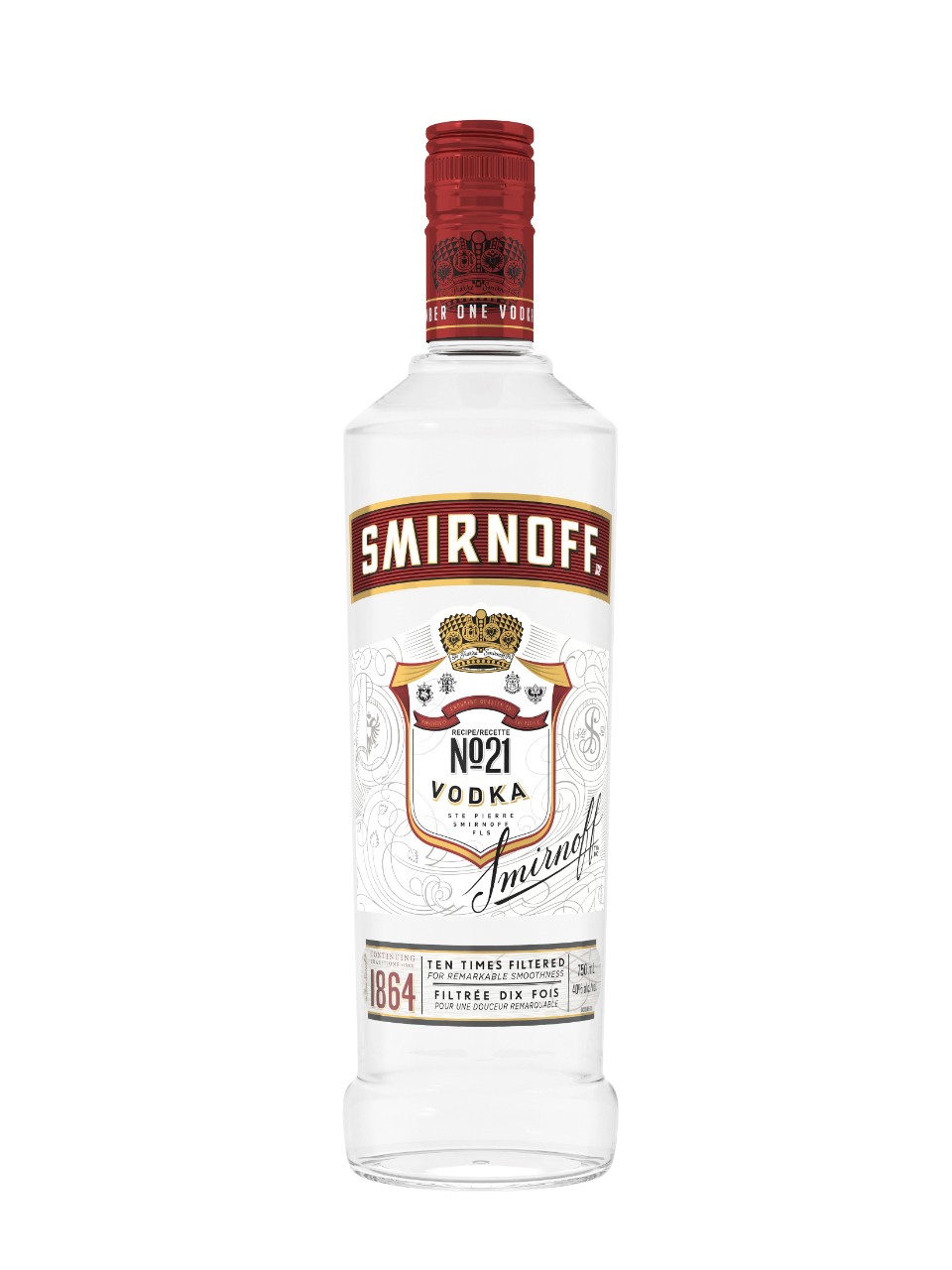
Vodka
A neutral spirit distilled from grains or potatoes, valued for its clean, mild flavor that blends easily into almost any cocktail.
Origin
Poland and Russia, both of which claim its invention; grain and potato distilling traditions there date back to at least the 8th-9th century.
History
Vodka began as a rough distilled spirit used medicinally in Eastern Europe before evolving into the clean, neutral style familiar today, refined largely through repeated distillation and charcoal filtration. It spread west gradually, then took off in the United States after Prohibition and especially after World War II, helped along by cocktails like the Moscow Mule and Bloody Mary that showcased its almost-blank flavor as a feature. The late 20th century brought a wave of premium and flavored vodkas competing heavily on branding and filtration claims.
Flavor profile
Meant to be nearly flavorless: clean and neutral, with only a faint grain or potato sweetness and a light peppery warmth. Potato-based vodkas tend to feel slightly rounder and oilier; grain-based vodkas are usually crisper.
Tasting notes
Little to no aroma, a faint sweetness on the front of the palate, and a light peppery heat on the swallow. Differences between brands mostly show up in texture (silky versus sharp) rather than distinct flavor.
Substitutes
- Gin, if you don't mind adding a juniper and botanical note to the drink.
- White rum, for a touch of natural sweetness in citrus-forward cocktails.
- Aquavit, for a caraway-and-spice twist in Nordic-leaning drinks.