Sherry
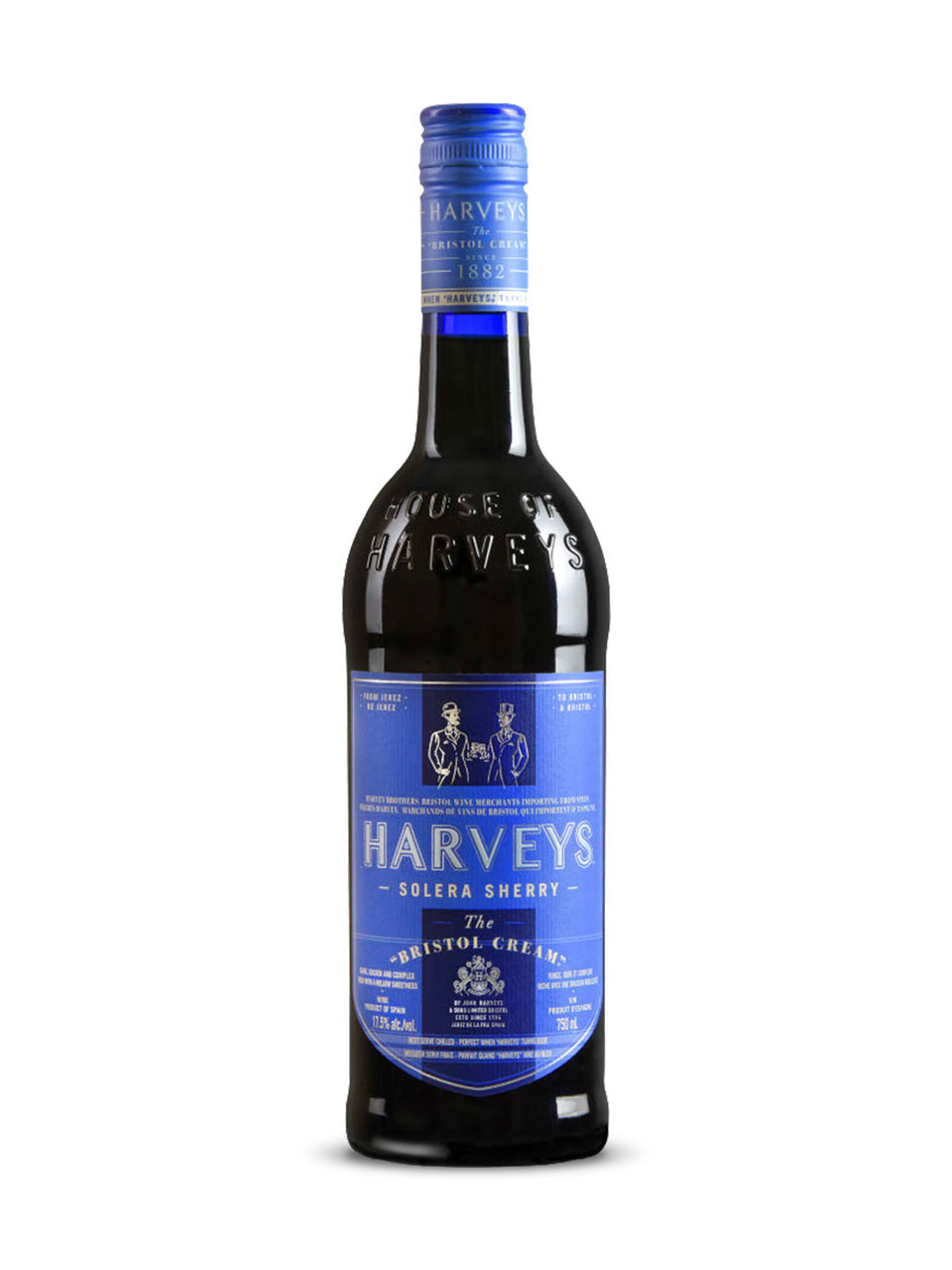
A fortified Spanish wine ranging from bone-dry (fino) to rich and sweet (cream/oloroso).
Origin
Jerez de la Frontera, Spain, a wine-growing region with over 3,000 years of winemaking history, later shaped by centuries of Moorish rule (the name "sherry" derives from the Moors' name for the town, "Sherish").
History
Sherry production traces back to Phoenician settlement in the Jerez area around 1100 BC, with the region's distinctive fortified wine tradition developing over centuries and taking its English name from the town's Moorish-era name. As a broad category, sherry spans a wide range of styles from bone-dry fino and manzanilla (aged under a protective layer of flor yeast) to nutty, oxidized amontillado and oloroso, to intensely sweet Pedro Ximenez, all produced through the region's traditional solera aging system that blends younger and older vintages for consistency. In cocktails, drier sherry styles have become an increasingly popular modern substitute for vermouth, while sweeter styles serve a role closer to port.
Flavor profile
Varies enormously by style, from bone-dry and briny (fino) to rich, nutty, and caramelized (oloroso, Pedro Ximenez).
Tasting notes
As a broad category, sherry's character depends entirely on the specific style: fino and manzanilla are sharp, dry, and yeasty, amontillado and oloroso bring nutty, oxidized richness, and Pedro Ximenez is intensely sweet and raisiny, so a recipe's intended style matters a great deal.
Substitutes
- A different sherry style within the same general dryness range, if the exact one called for isn't available.
- Dry vermouth, for a drier style substitute in a Martini-adjacent cocktail.
- Port, for a sweeter style substitute in a dessert-adjacent cocktail.