Scotch Whisky
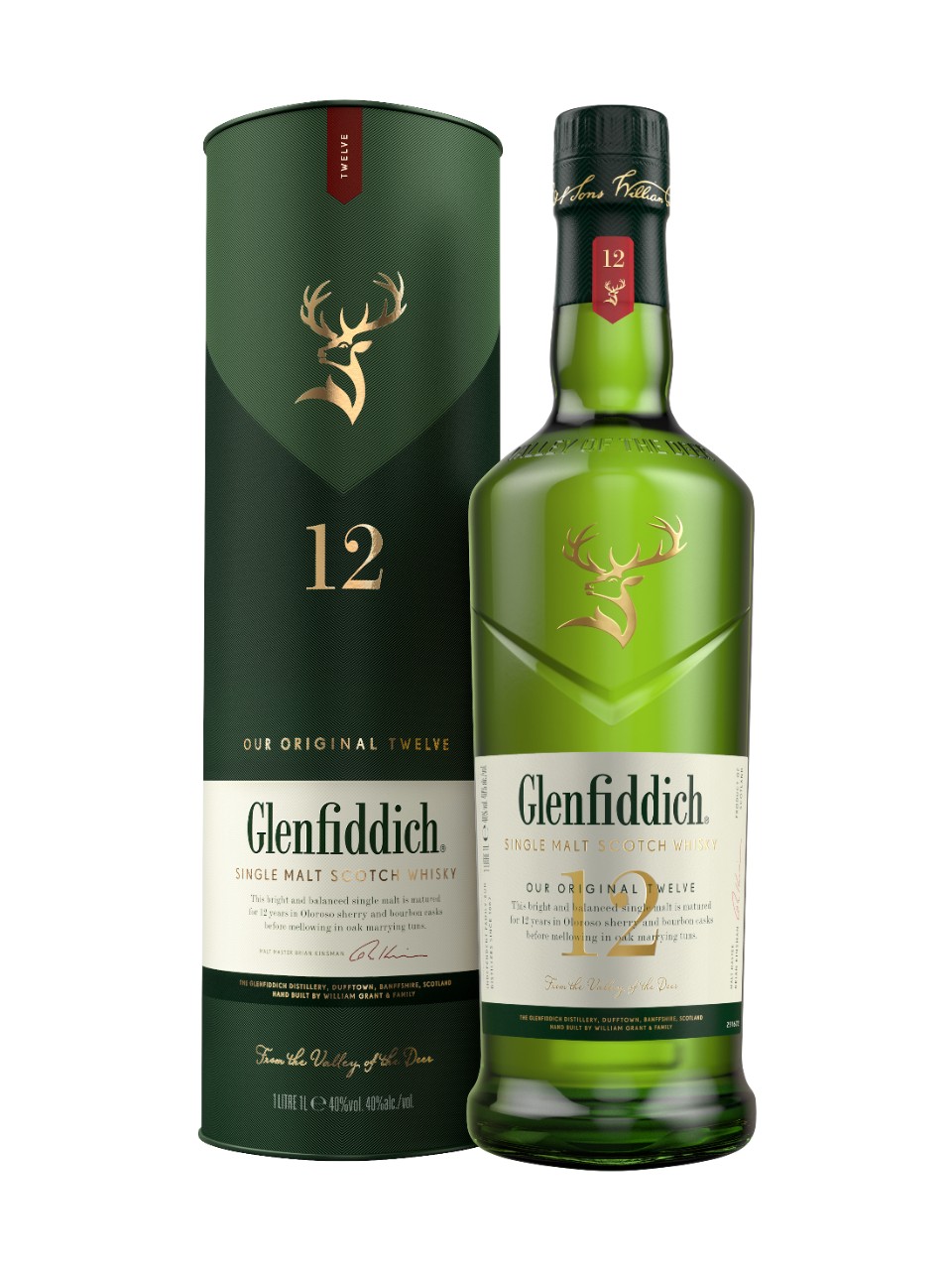
Whisky distilled in Scotland, often with a smoky, peaty character depending on the region and distillery.
Origin
Scotland, with the earliest written record of whisky distillation dating to 1494, likely introduced by monks in the 15th century.
History
The oldest documented reference to Scotch whisky appears in Scotland's 1494 Exchequer Rolls, recording malt given to "Friar John Cor" to make aqua vitae, with distillation likely introduced by monks who, after Scotland's monasteries were dissolved in later centuries, spread their distilling knowledge into the broader population. Heavy taxation starting in 1644 pushed much of Scotch production underground for roughly 150 years, with illicit distilling responsible for over half the country's whisky output by the late 18th century, including celebrated names like Glenlivet. The Excise Act of 1823 finally made legal distilling practical again, sparking the modern industry, and a 1909 Royal Commission formally defined Scotch whisky as a grain-or-malt spirit that must be both distilled and matured in Scotland, the legal foundation still governing the category today.
Flavor profile
Varies dramatically by region and style, from light, honeyed, and floral (Speyside, Lowland) to heavily smoky and medicinal (peated Islay malts).
Tasting notes
No single flavor defines Scotch given how much regional style varies, but common threads include malt sweetness, oak influence from aging, and, in peated styles, a distinctive smoky, medicinal character absent from most other whisky traditions.
Substitutes
- A different Scotch region or style, depending on whether a lighter or smokier character is wanted.
- Irish whiskey, for a smoother, generally lighter substitute without Scotch's regional variety.
- A blended Scotch specifically, for a more consistent, approachable substitute than a single malt.