
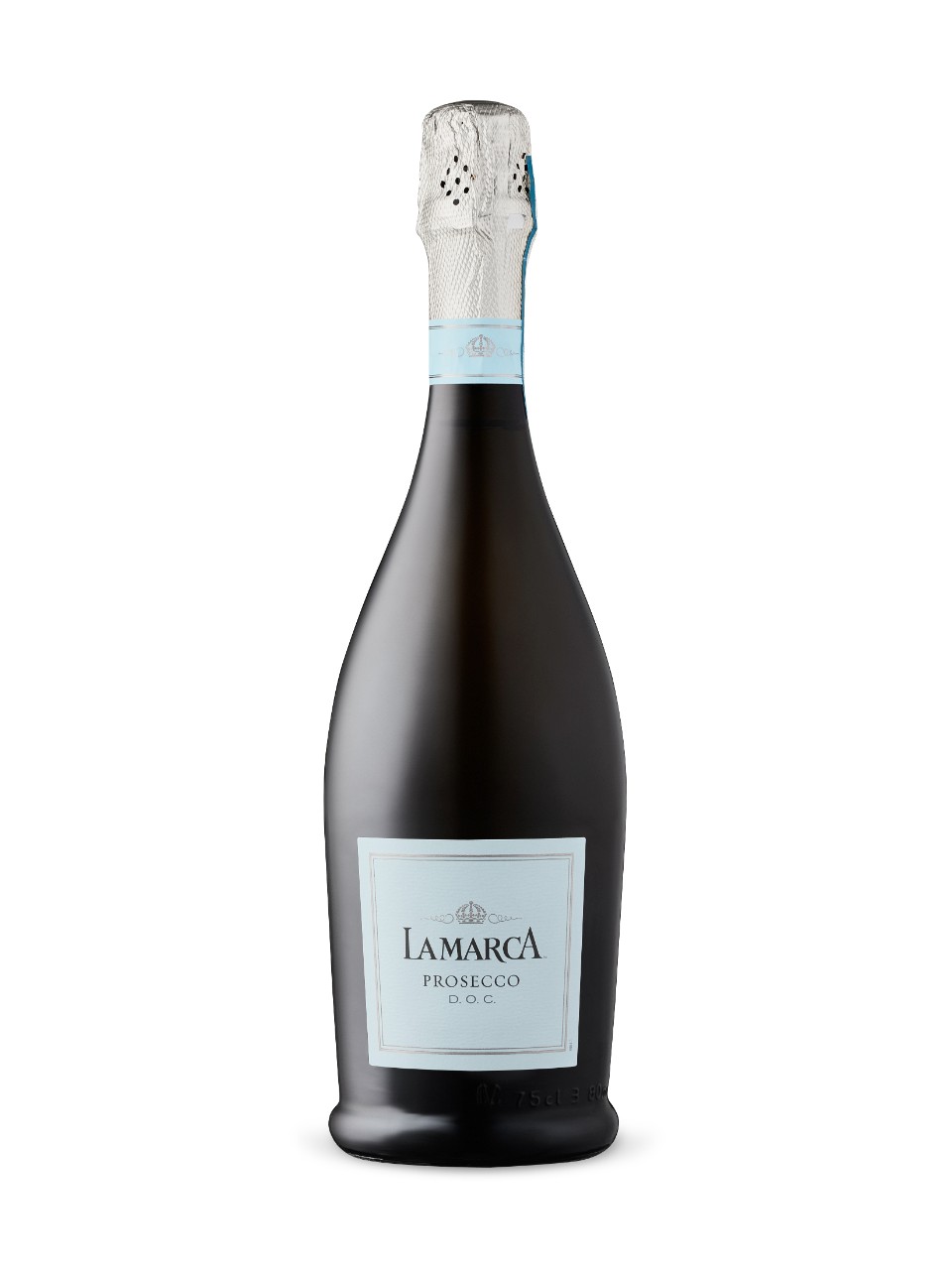
Prosecco
An Italian sparkling wine, lighter and fruitier than Champagne, and a common Aperol Spritz or Bellini partner.
Origin
The Veneto and Friuli regions of northeastern Italy, made from the Glera grape, historically also called "Prosecco" before being renamed in 2009 to protect the wine's name as a geographic designation.
History
The grape now known as Glera has been grown in the Veneto and Friuli regions for centuries, first documented there in the 1750s, historically sharing its name ("Prosecco") with the wine made from it, possibly tracing back to a village of that name near the Italy-Slovenia border. In 2009, the EU renamed the grape variety Glera specifically so "Prosecco" could be legally protected as a geographic designation for the wine itself, ensuring only sparkling wine actually made in the designated Italian region could carry the name. Made using the tank method (secondary fermentation in large stainless steel tanks rather than individual bottles, as Champagne uses), it's generally lighter, fruitier, and less expensive than Champagne, and became the standard base for the globally popular Aperol Spritz and Bellini.
Flavor profile
Light, fruity, and slightly sweet, with green apple, pear, and floral notes and softer bubbles than Champagne.
Tasting notes
Fresh and fruit-forward, without Champagne's toasty, bready complexity from lees aging, making it a lighter, more casual sparkling wine well suited to easy-drinking spritzes and brunch cocktails rather than sipped alone the way a fine Champagne might be.
Substitutes
- Cava, for a different but comparably affordable sparkling wine, though made using the traditional method rather than the tank method.
- A different, less expensive sparkling wine, if Prosecco's specific fruity, light style isn't essential.
- Champagne, understanding it will bring more complexity and cost, and a drier overall character.