.png)
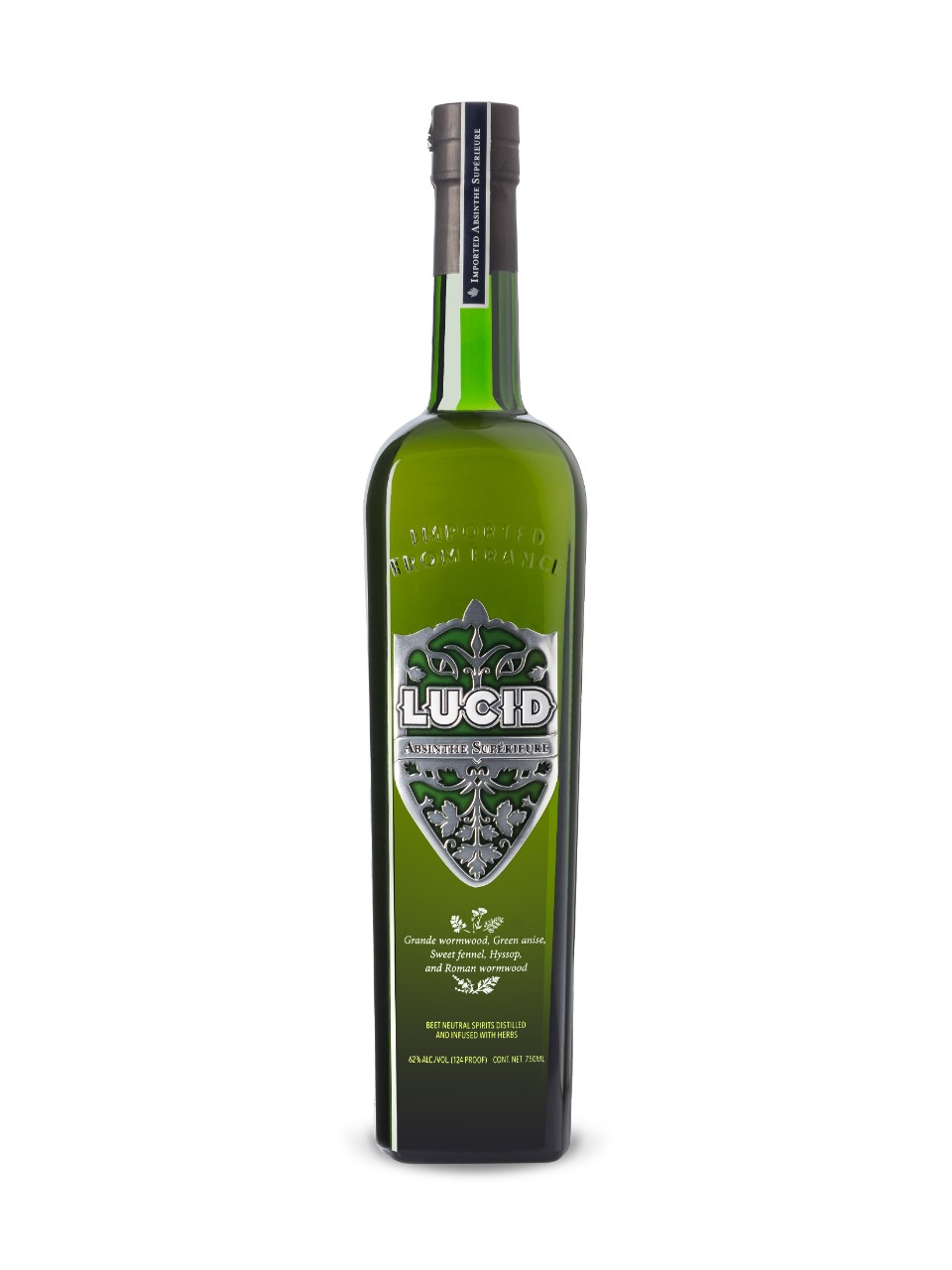
Absinthe
A high-proof anise-and-wormwood spirit, historically associated with a ritual sugar-and-water preparation. Used sparingly as a rinse or accent in cocktails like the Sazerac.
Origin
Val-de-Travers, Switzerland, formulated in the late 18th century as a wormwood-based tonic before French producers turned it into a commercial spirit.
History
Absinthe began as a medicinal tonic distilled from wormwood, anise, and fennel, credited to Dr. Pierre Ordinaire in Switzerland in the 1790s. French troops in Algeria were issued it as a fever preventive in the 1840s, and returning soldiers brought a taste for it home, kicking off a craze that made the "green hour" (l'heure verte) a fixture of Belle Époque Parisian cafe life and drew the attention of artists like Van Gogh and Toulouse-Lautrec. Fears (many overblown) about the neurotoxic effects of wormwood's thujone content, stoked by the wine industry's own economic interest in absinthe's downfall, led to bans across Europe and the U.S. in the early 20th century. Those bans lifted gradually starting in the 1990s and 2000s once modern testing showed properly made absinthe posed no special danger beyond its high proof, and the spirit has since returned to cocktail menus in small doses.
Flavor profile
Intensely anise-forward and herbal, built on a botanical base of wormwood, anise, and fennel, with a bitter, piney backbone from the wormwood.
Tasting notes
Strong black licorice and anise dominate the nose and palate, backed by a bitter, herbal, faintly medicinal edge from the wormwood. It turns cloudy (the "louche") when water is added, softening the anise and releasing more floral, herbal aromatics. In cocktails it's typically used in tiny amounts, as a rinse or a few dashes, rather than as a measured pour.
Substitutes
- Pastis or another anise-forward liqueur, for a milder, sweeter stand-in when a recipe just wants an anise rinse.
- Herbsaint, a New Orleans anise liqueur made specifically as an absinthe substitute after Prohibition, still the traditional Sazerac rinse in many bars.
- A few drops of Pernod, in a genuine pinch, though it's noticeably sweeter and lower proof.