
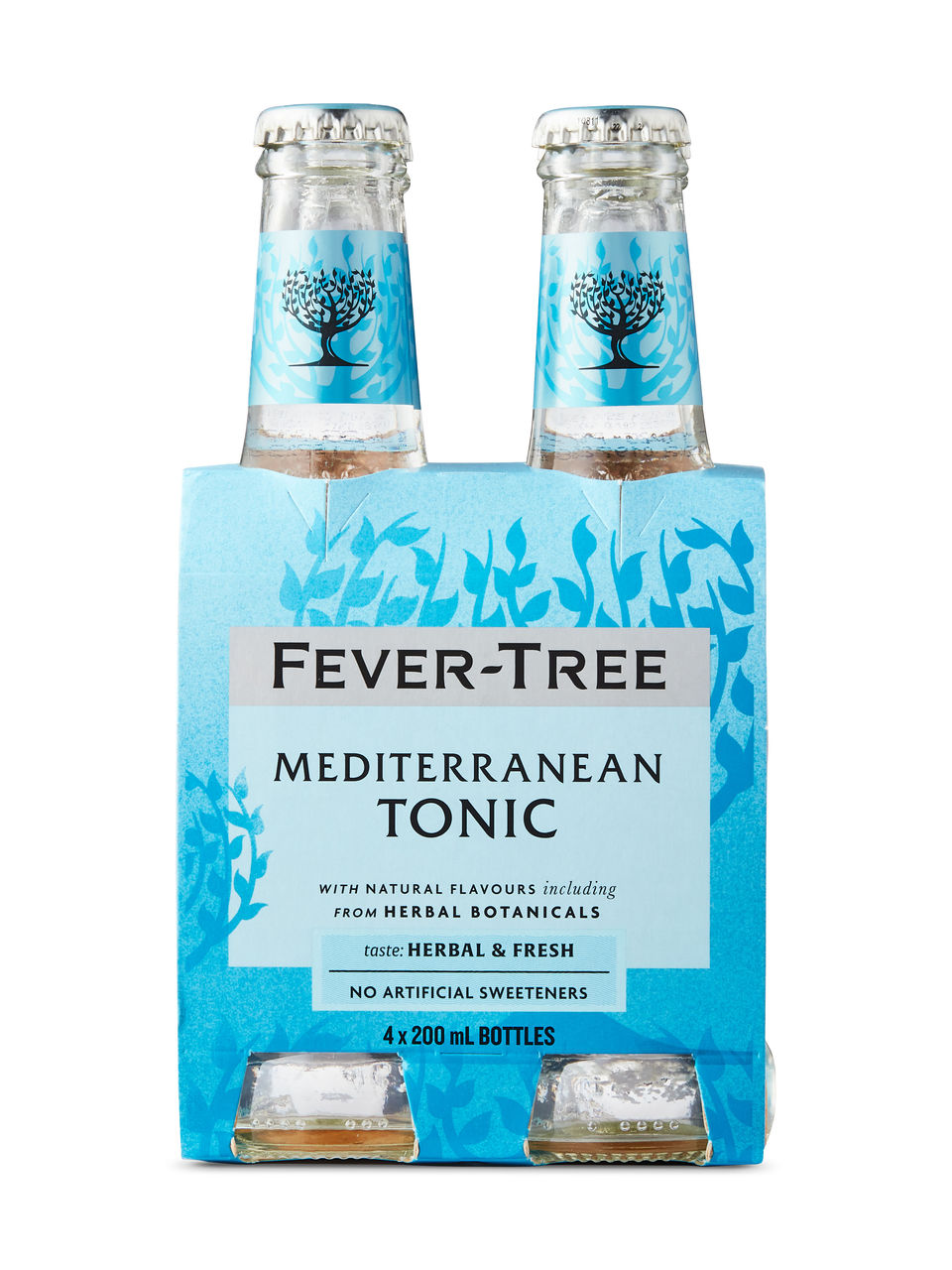
Tonic Water
A carbonated mixer with a bittersweet quinine flavor, the classic partner to gin.
Origin
British colonial India, developed in the 19th century when quinine (an anti-malarial compound from cinchona bark) was mixed with soda water and sugar to make the medicine more palatable.
History
Tonic water's origin is directly medicinal: British officers and colonists in 19th-century India took quinine, extracted from cinchona bark, to prevent malaria, and mixing it with soda water and sugar made the intensely bitter compound bearable to drink regularly. Someone eventually thought to add gin to the mix, and the Gin and Tonic was born, becoming one of the most enduring highballs in cocktail history and the reason tonic water remains inseparable from gin in the popular imagination even though quinine content in modern commercial tonic is far lower than the original medicinal doses.
Flavor profile
Bitter and slightly sweet, with a distinctive quinine bitterness underneath its citrusy, carbonated character.
Tasting notes
A sharp, bracing bitterness balanced against sweetness and carbonation, working as both a mixer and a flavor contributor rather than a neutral background, which is why the specific tonic brand used can meaningfully change a Gin and Tonic's character.
Substitutes
- A different tonic water brand, since quinine level and sweetness vary meaningfully across brands.
- Soda water with a dash of bitters, as a rough approximation if no tonic is on hand.
- Diet tonic water, for a lower-sugar substitute with the same bitter quinine character.