Tequila
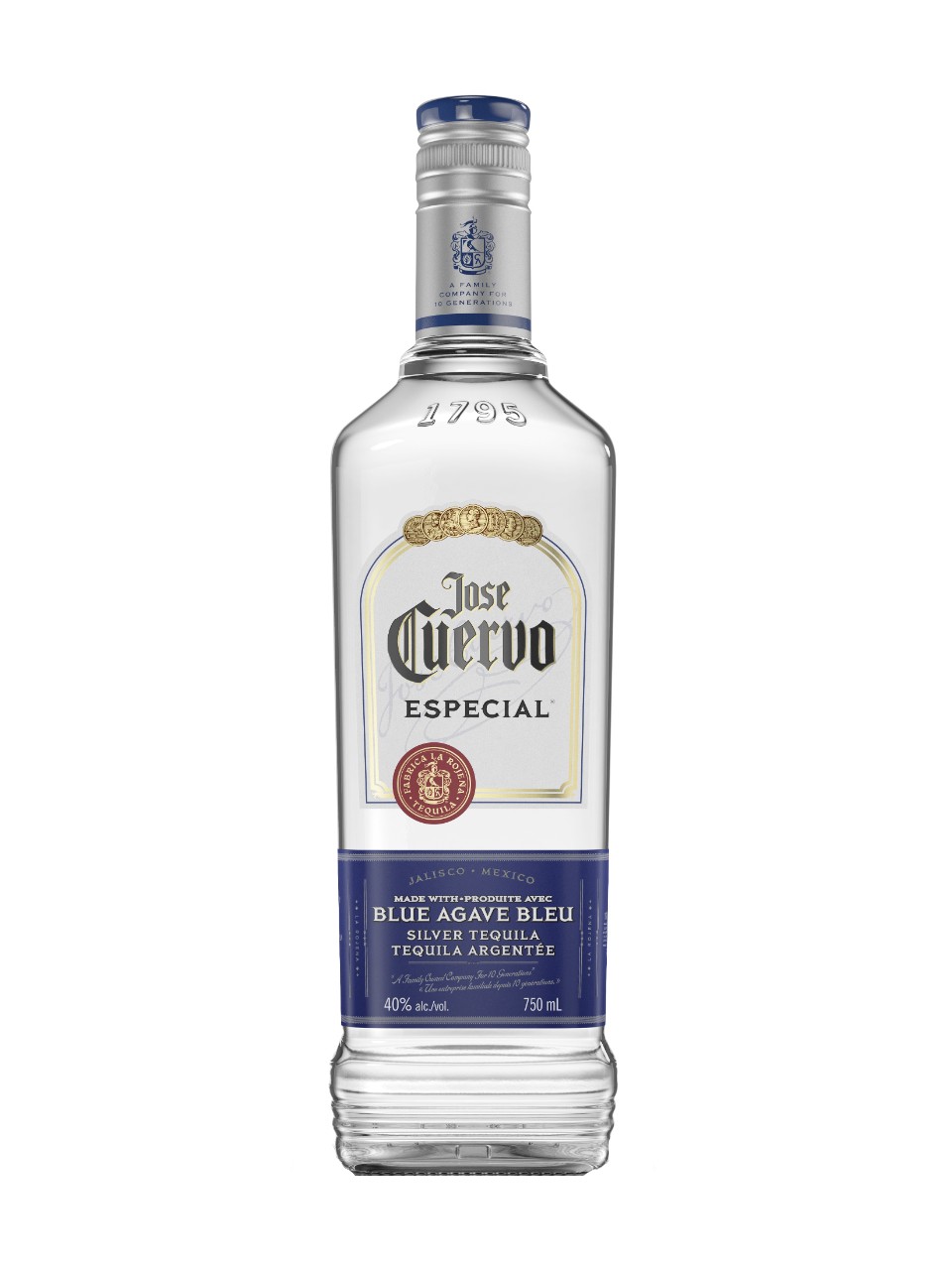
A spirit distilled from the blue agave plant in Mexico, ranging from crisp and peppery (blanco) to smoother, oak-aged styles (reposado/añejo).
Origin
Jalisco, Mexico, distilled from the blue Weber agave plant and named for the town of Tequila.
History
Tequila's roots go back to pulque, a fermented agave drink made by indigenous peoples in central Mexico long before European contact. Spanish colonists brought distillation techniques in the 16th and 17th centuries, and distillers applied them to agave, eventually concentrating production around the town of Tequila. The category was formally regulated in 1974 under a Denominación de Origen, restricting the name to agave spirit made in specific regions of Mexico under defined rules.
Flavor profile
Vegetal and peppery in its unaged (blanco) form, with citrus and black pepper notes; aging in oak (reposado, añejo) adds vanilla, caramel, and a rounder, richer character.
Tasting notes
Blanco tequila is bright and peppery, with a clear agave, citrus, and black pepper character up front. Reposado picks up a light vanilla-oak roundness from a few months in barrel. Añejo, aged a year or more, turns darker and richer, closer in character to a fine brandy.
Substitutes
- Mezcal, for a smokier, agave-forward swap that changes the drink's character noticeably.
- White rum, when agave flavor isn't the point and a clean, higher-proof base is what's needed.
- Aged rum or brandy, in place of reposado or añejo, when oak and caramel matter more than agave character.