Rum
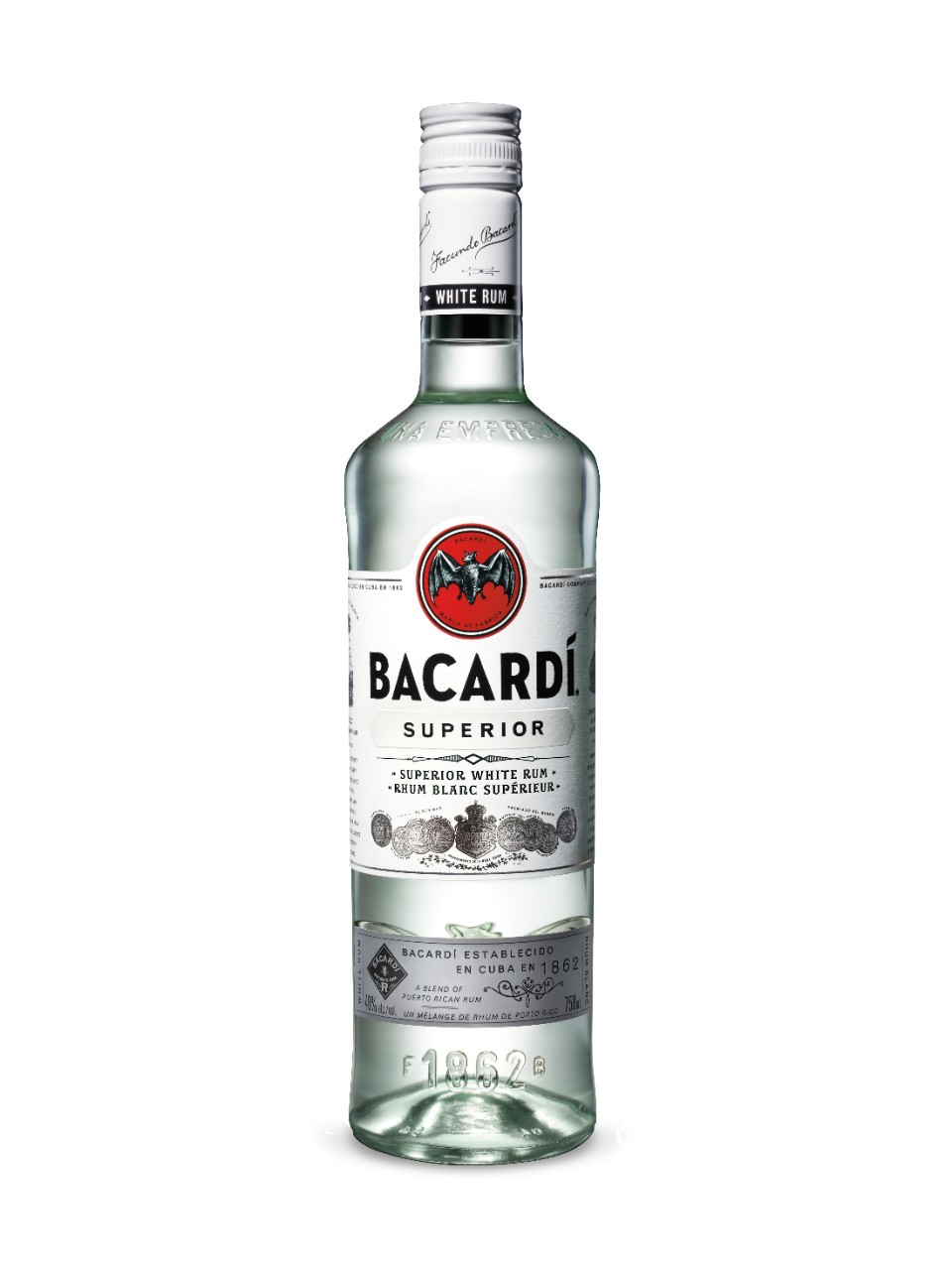
A spirit distilled from sugarcane juice or molasses, ranging from light and clean to dark and rich.
Origin
Caribbean sugar plantations in the 17th century, originally a byproduct of molasses left over from refining sugar.
History
Rum grew out of Caribbean sugar production, where distillers found a use for the molasses left behind after sugar was refined. It became deeply tied to the colonial trade economy and to naval tradition (the British navy issued rum rations for over 300 years), and later found a second life in mid-20th-century tiki culture, which built an entire cocktail style around it. Today's rum category spans everything from light, mixable white rum to slow-sipped, heavily aged expressions closer in style to a fine whiskey or brandy.
Flavor profile
Ranges widely by style: white rum is light, clean, and faintly sweet; gold and dark rums pick up vanilla, caramel, baking spice, and oak character from barrel aging, often with a deep molasses backbone.
Tasting notes
White rum is built to blend in, tasting mostly of light sugarcane sweetness with little else. Aged rums bring vanilla, brown sugar, and toasted oak to the front, sometimes with dried fruit or baking spice, and a warmer, longer finish the older they get.
Substitutes
- Cachaça, for a grassier, funkier stand-in for white rum in a Daiquiri-style drink.
- Bourbon, in place of an aged/dark rum in a stirred cocktail where oak and caramel matter more than sugarcane origin.
- Brandy, in place of dark rum in a punch or hot drink.