Port
A sweet, fortified Portuguese wine, often enjoyed on its own but also used in cocktails for its rich, fruity depth.
Origin
The Douro Valley, northern Portugal, developed in the 17th century when English wine merchants, cut off from French wine by trade conflicts, began fortifying Portuguese wine with grape spirit to help it survive long sea voyages.
History
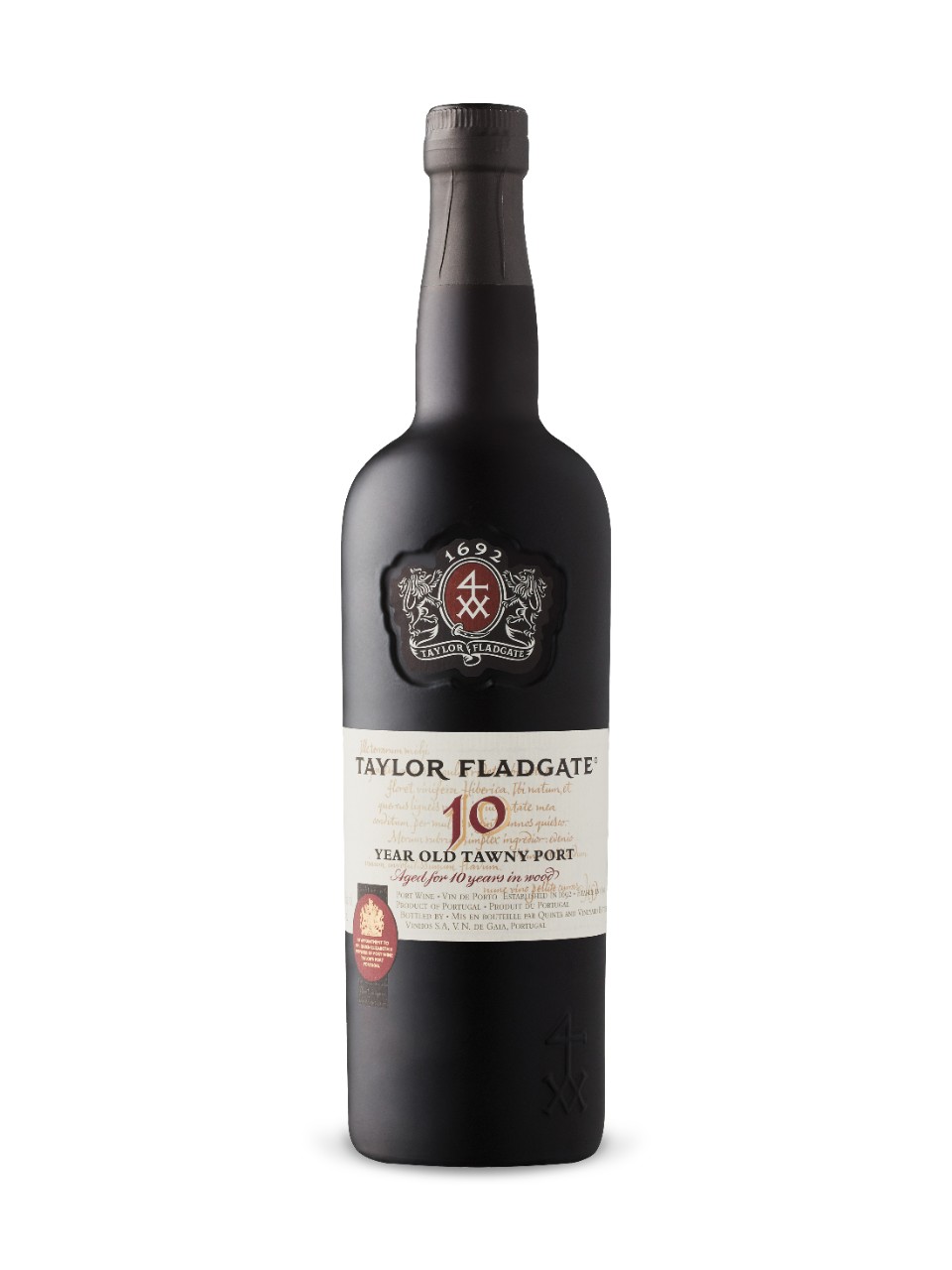
Port's origin traces to 17th-century trade tensions between England and France, which pushed English merchants toward Portuguese wine as an alternative; adding aguardente (grape spirit) partway through fermentation, a technique reportedly discovered when merchants found a Douro abbot doing exactly that to halt fermentation and preserve sweetness, both stabilized the wine for long voyages and locked in residual sugar. Named for the coastal city of Porto where it was historically aged and shipped, it became one of the world's most prestigious fortified wines, produced in numerous styles (ruby, tawny, vintage) from the steep, terraced vineyards of the Douro Valley.
Flavor profile
Rich and sweet, with dark fruit, dried fruit, and nutty or caramel notes depending on the specific style and aging.
Tasting notes
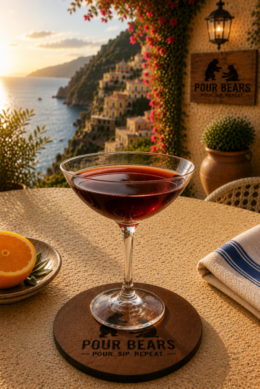
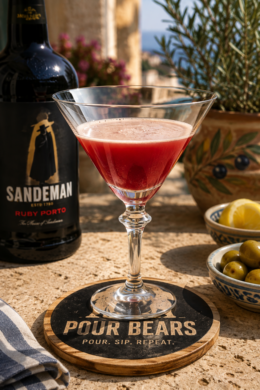
Deep, sweet, and fortified, tasting of dark cherry and berry in younger ruby styles, shifting toward nuts, caramel, and dried fruit in longer-aged tawny styles - traditionally sipped after dinner, and a common modern substitute for sweet vermouth or a stand-alone modifier in stirred cocktails.
Substitutes
- Sweet vermouth, for a related but lighter, less rich substitute in a cocktail context.
- A different port style (tawny for ruby or vice versa), depending on whether a nuttier or fruitier character is wanted.
- Sherry (particularly a sweeter style like Pedro Ximenez), for a different but comparably rich, fortified-wine substitute.