Mezcal
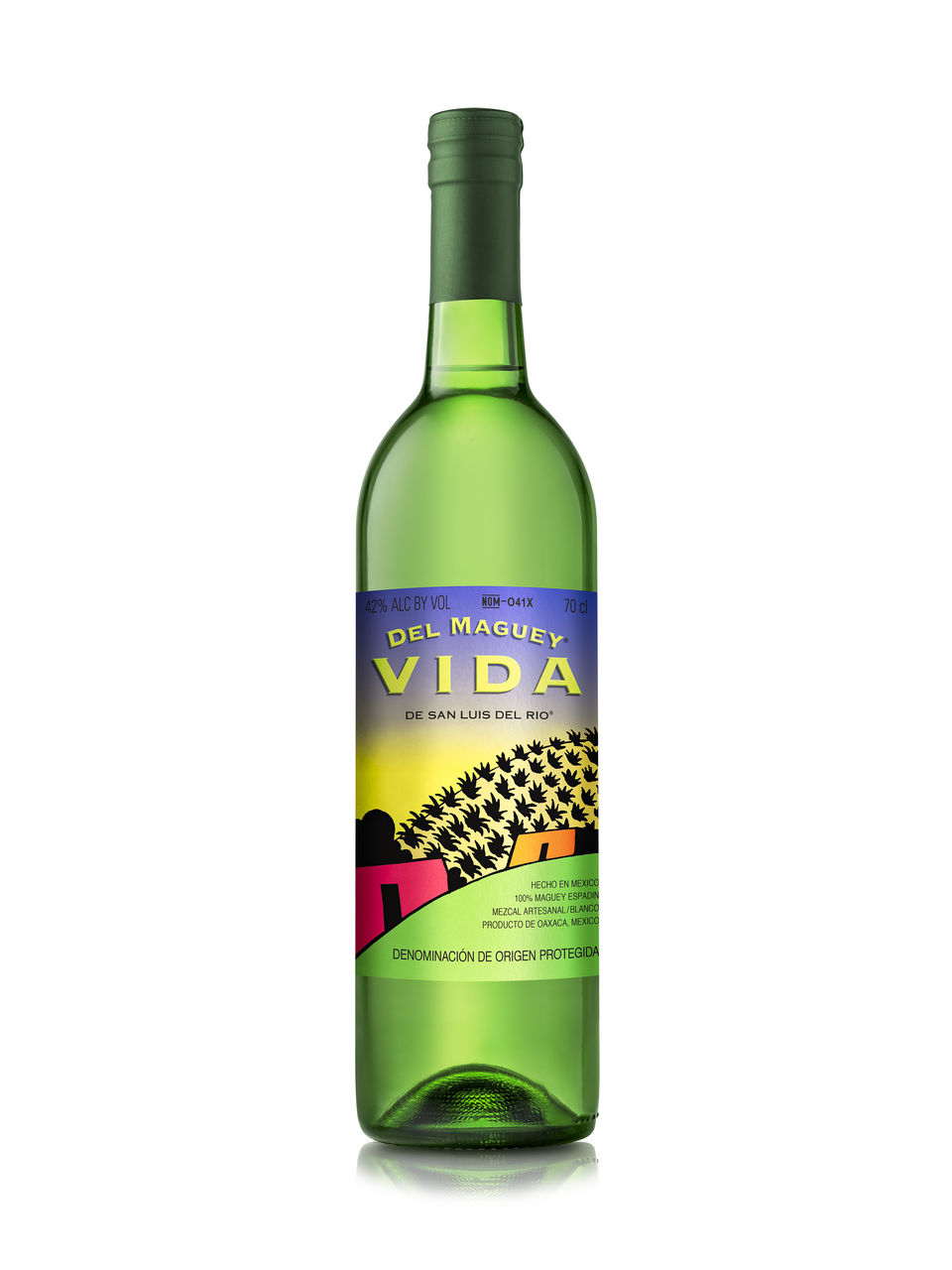
An agave spirit from Mexico, traditionally smoky since the agave hearts are roasted before distilling. Tequila is technically a type of mezcal.
Origin
Oaxaca and other regions of Mexico, distilled from agave using techniques Spanish colonizers adapted to the pre-Hispanic pulque tradition starting in the 16th century.
History
Agave has been cultivated and consumed in Mexico for roughly 8,000 years, originally fermented (not distilled) into pulque by the Aztec, Maya, and Huastec peoples. Spanish colonizers introduced distillation technology in the 16th century, and Indigenous communities adapted it to agave, producing what became mezcal. Mezcal received its own denominación de origen in 1994, restricting production to ten Mexican states, though Oaxaca alone produces roughly 70% of the world's supply through hundreds of small, artisanal distilleries. Tequila is technically a specific, more tightly regulated regional style of mezcal made exclusively from blue Weber agave, while mezcal broadly can be made from around 30 different agave species, each cooked in traditional underground earthen pits that give the spirit its signature smoky character (unlike tequila's above-ground steam ovens).
Flavor profile
Smoky and earthy, with vegetal agave character and mineral, sometimes fruity or floral notes depending on the agave species and region.
Tasting notes
A distinctive smokiness (from underground pit-roasting) sets mezcal apart clearly from tequila, layered over agave's vegetal, sometimes fruity or citrusy character that varies enormously depending on which of the roughly 30 permitted agave species is used and where it's produced.
Substitutes
- Tequila, for a related but distinctly less smoky, more standardized agave spirit.
- A different mezcal brand or agave variety, since the category covers a genuinely wide range of styles.
- A smoky Islay Scotch, in a cocktail context where mezcal's smokiness is the main point but the agave character isn't essential.