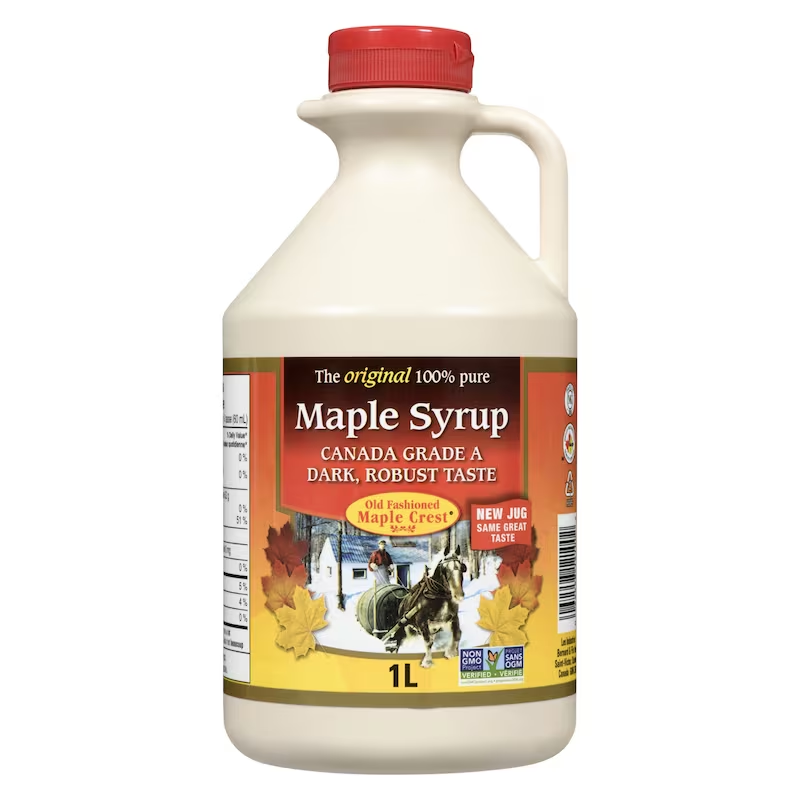
Maple Syrup
A natural sweetener tapped from maple trees, used to add a distinct caramel-like sweetness.
Origin
Northeastern North America, where Indigenous peoples first discovered and refined the technique of tapping maple trees and boiling down the sap long before European contact.
History
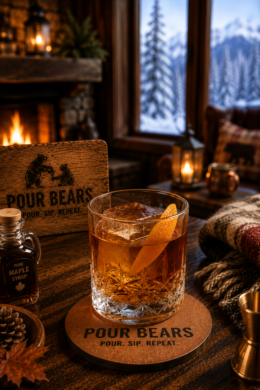
Indigenous peoples of northeastern North America developed maple sugaring techniques, tapping sugar maple trees each spring and boiling the collected sap down into syrup and sugar, and European settlers adopted and commercialized the practice from the 17th century onward. It became a defining regional product of Quebec, Vermont, and neighboring areas, and its distinctly North American, deeply flavored sweetness made it a natural modern substitute for simple syrup in whiskey and rum cocktails, especially fall and winter drinks.
Flavor profile
Rich, woody caramel sweetness with a distinctive depth unlike cane sugar.
Tasting notes
A warm, complex sweetness with real caramel and wood notes, adding far more character to a drink than plain sugar syrup, and pairing especially naturally with whiskey, apple, and warm baking spice.
Substitutes
- Demerara or brown sugar syrup, for a different but comparably rich, non-neutral sweetener.
- Honey syrup, for a different but comparably complex, non-neutral alternative.
- Simple syrup, when maple's specific flavor isn't essential to the recipe.