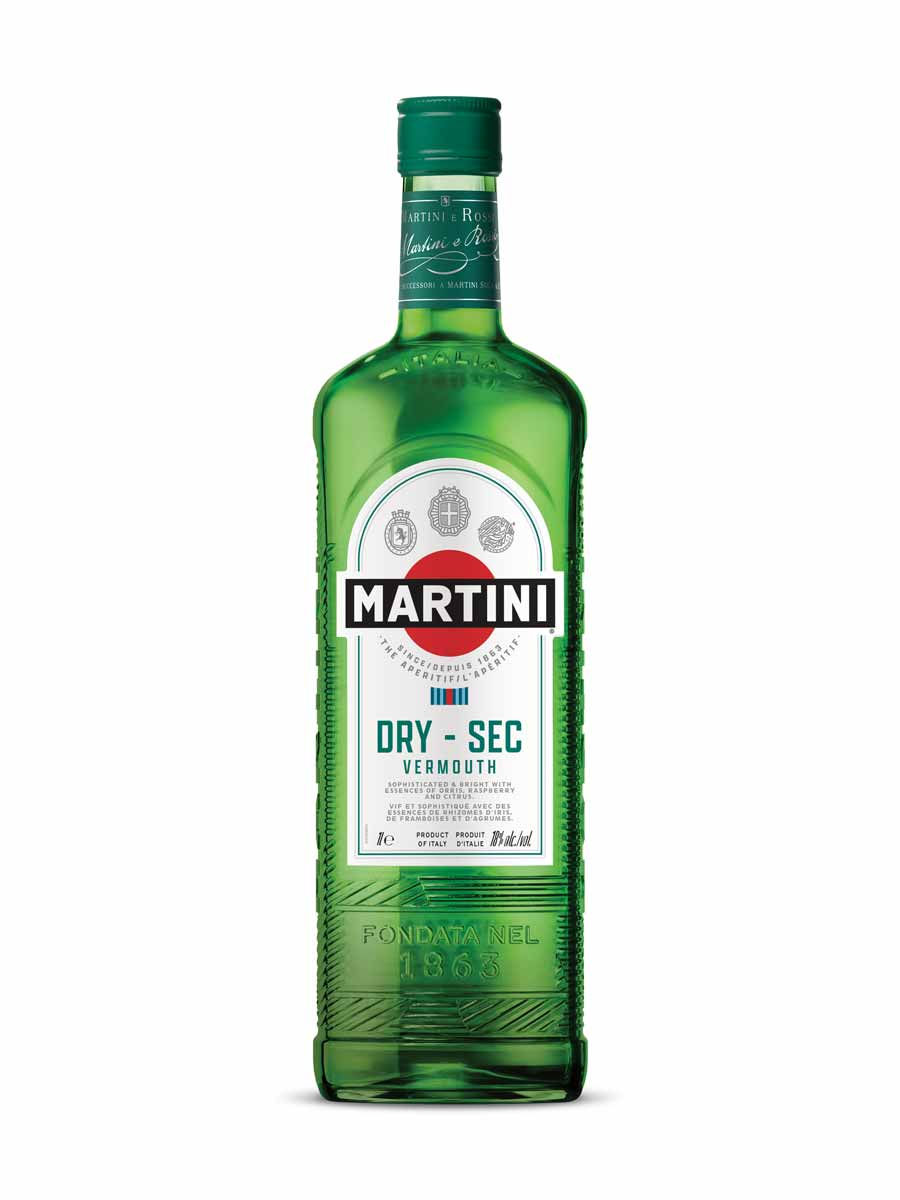
Dry Vermouth
A fortified, herb-infused white wine with a crisp, dry flavor - the classic partner to gin in a Martini.
Origin
Piedmont and other regions of Italy and France, developed in the 18th century as an aromatized, fortified wine.
History
Vermouth started as a medicinal aromatized wine, flavored with wormwood and other botanicals (its name comes from the German "wermut," wormwood). Dry, pale vermouth became essential to cocktail culture by the late 19th century as the Martini took shape, and it has remained the drink's defining modifier ever since, even as the ratio of gin to vermouth has swung back and forth with fashion.
Flavor profile
Light, herbal, and floral, with notes of chamomile, citrus peel, and dried herbs; far less sweet than sweet (red) vermouth.
Tasting notes
Pale and delicate on its own, with dried herbs, a touch of chamomile or citrus peel, and a light bitterness on the finish. It oxidizes quickly once opened, turning flat and dull within a couple of weeks if left at room temperature, which is the single most common reason a home-made Martini tastes off.
Substitutes
- Dry sherry (fino or manzanilla), for a saltier, nuttier stand-in in a Martini-style drink.
- A splash of dry white wine with a drop of orange bitters, as a rough stand-in when there's truly none on hand.
- Any other dry vermouth that was opened recently, since freshness matters at least as much as the specific brand.