Champagne
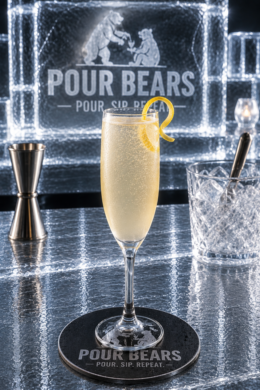
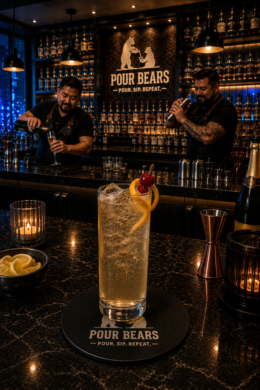
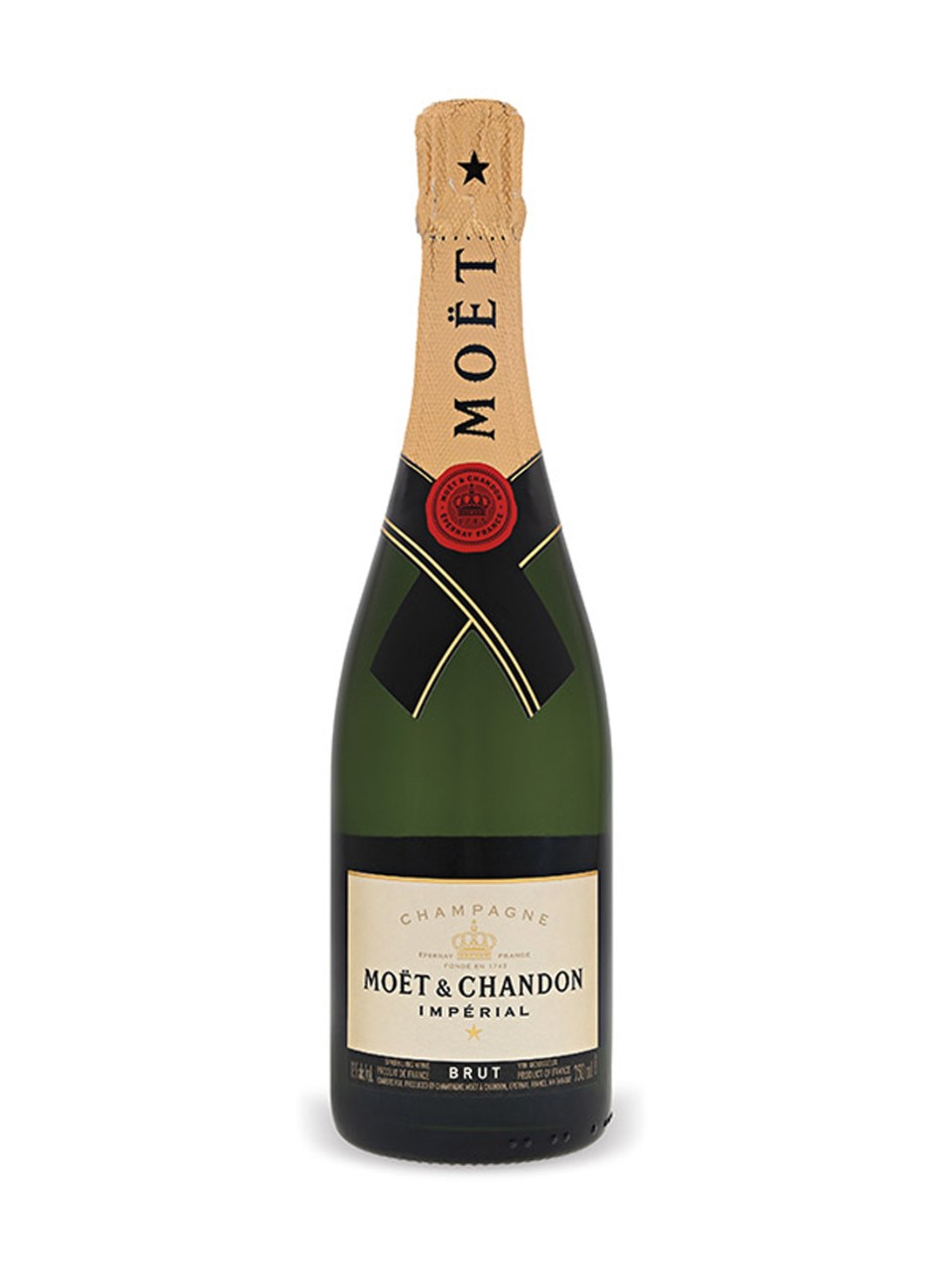
Sparkling wine from the Champagne region of France, used to top off cocktails like the French 75 or Mimosa.
Origin
Champagne, France, developed through the 17th and 18th centuries; Dom Perignon (a real Benedictine monk, contrary to some popular myths about him "inventing" the bubbles) helped refine the region's winemaking techniques.
History
Sparkling wine from the Champagne region developed gradually through the 17th and 18th centuries as winemakers worked to control and eventually harness the region's naturally occurring secondary fermentation (once considered a flaw) into the deliberate bubbles that define the style today. The name is legally protected: true Champagne can only come from the Champagne region of France under strict production rules, using the traditional method of secondary fermentation in the bottle. It became inseparable from celebration and luxury by the 19th and 20th centuries, and remains the traditional top layer in classics like the Champagne Cocktail and French 75.
Flavor profile
Crisp and effervescent, with green apple, citrus, and toasted brioche notes from extended aging on the lees (spent yeast).
Tasting notes
Fine, persistent bubbles carry bright citrus and green apple, with a toasty, bready complexity from lees aging that separates true Champagne from simpler sparkling wines, and a dry, mineral finish in most standard (brut) bottlings.
Substitutes
- Cava or another traditional-method sparkling wine, for a similar style at a lower price point.
- Prosecco, for a lighter, fruitier, less complex sparkling substitute.
- A different true Champagne house or vintage, since the style itself is fairly consistent across producers within the appellation.