Bourbon
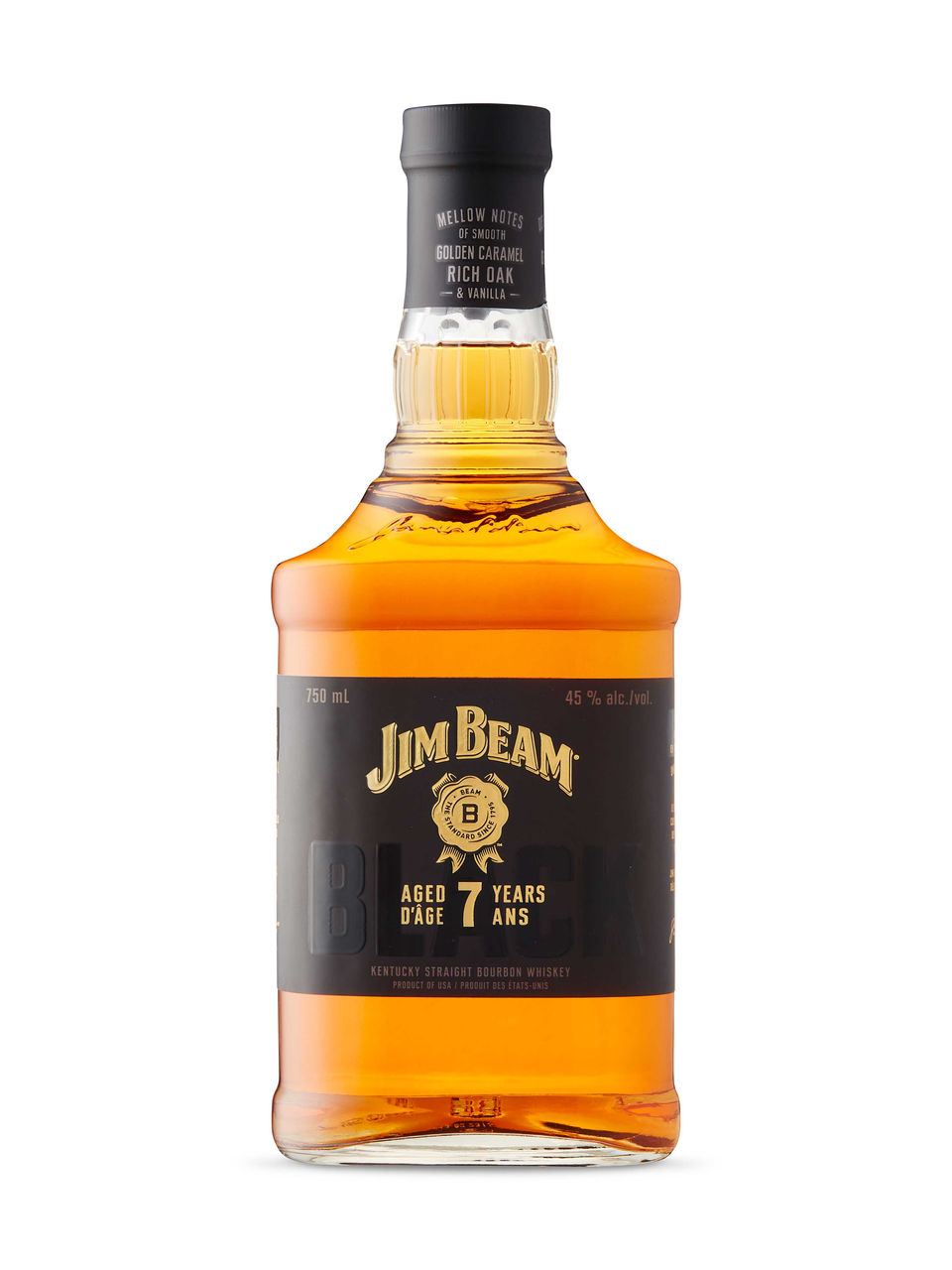
An American whiskey made from at least 51% corn and aged in new charred oak barrels, giving it a sweet, caramel-forward flavor.
Origin
Kentucky, United States, named for Bourbon County, with its first documented commercial use of the name dating to an 1821 newspaper advertisement.
History
Bourbon's development is tied to settlers, many moving from Pennsylvania to Kentucky partly to escape federal whiskey excise taxes, who found Kentucky's corn crops, limestone-filtered water, and climate well suited to whiskey production. The name "bourbon" first appears in a documented commercial context in an 1821 Kentucky newspaper ad, and the category was gradually formalized through legislation like the Bottled-in-Bond Act of 1897 (the first legal attempt to define "straight" whiskey). Congress officially declared bourbon "America's Native Spirit" in 1964, cementing both its cultural status and, eventually, its precise legal definition: American-made whiskey from a mash of at least 51% corn, aged in new charred oak containers.
Flavor profile
Sweet and full-bodied, with vanilla, caramel, and brown sugar from new charred oak barrels, balanced by corn's natural sweetness.
Tasting notes
Vanilla, caramel, and brown sugar dominate, backed by a warm, sometimes slightly spicy oak char, with corn's sweetness giving it a rounder, softer profile than rye whiskey's spicier, drier character.
Substitutes
- Rye whiskey, for a spicier, drier substitute that shifts a cocktail's balance noticeably but still works in most bourbon classics.
- A different bourbon brand or mash bill, since house style varies but the core sweet, oaky character carries over.
- Tennessee whiskey, for an extremely close substitute given its similar production method (with the addition of charcoal filtering).