Blue Curacao
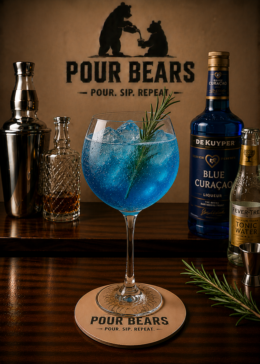
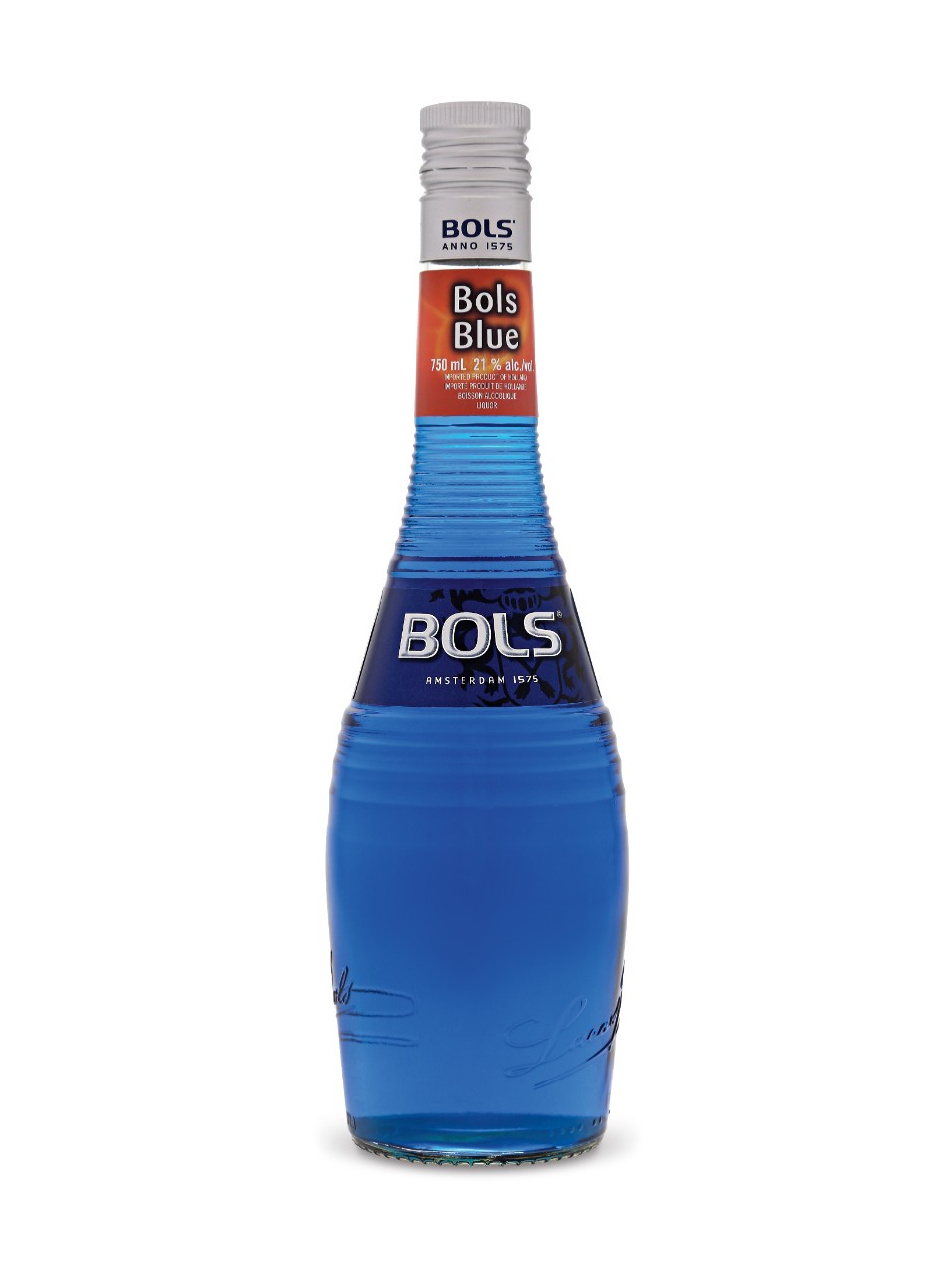
The same orange-peel liqueur as curaçao, dyed bright blue - used as much for color as for its citrus flavor.
Origin
Curacao, an island off Venezuela, where the bitter laraha orange (a mutated Valencia orange that struggled in the island's dry, salty soil) provided the peel used to flavor the original curacao liqueur.
History
Spanish colonizers brought sweet Valencia orange trees to Curacao, but the island's hot, dry, salty conditions turned the fruit bitter and largely inedible - though its aromatic peel turned out to be excellent for liqueur-making, and the Dutch, who took control of the island in 1634, are generally credited (via the historic Amsterdam house Bols) with turning it into curacao liqueur. The clear, orange-flavored liqueur is naturally colorless; the vivid blue version is simply a modern marketing innovation, using blue food coloring (rather than any different fruit or flavor) to make the same orange liqueur stand out visually behind the bar, especially in tropical and tiki-style drinks.
Flavor profile
Sweet, orange-peel flavored, essentially identical in taste to standard triple sec/curacao, distinguished only by its striking blue color.
Tasting notes
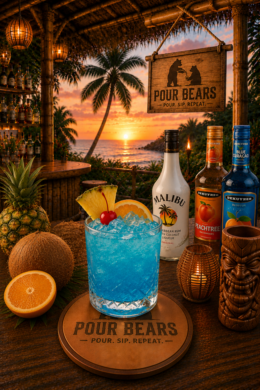
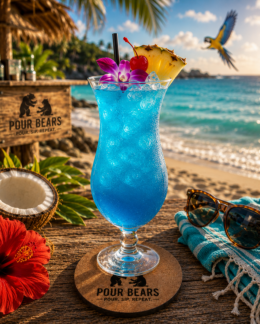
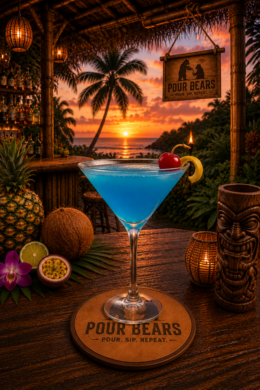
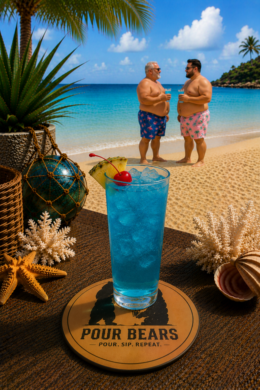
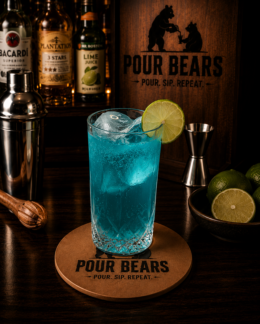
Tastes like a standard sweet orange liqueur - there's no real flavor difference from clear curacao or triple sec, so its appeal is almost entirely about the vivid blue color it lends to tropical cocktails like the Blue Hawaii.
Substitutes
- Triple sec or clear curacao with a drop of blue food coloring, for an identical flavor with the same visual effect.
- Triple sec plain, when the blue color isn't essential to the drink.
- Blue caraçao from a different brand, since the category is fairly standardized in flavor.