A1
Gin Cocktail ★ Favorite

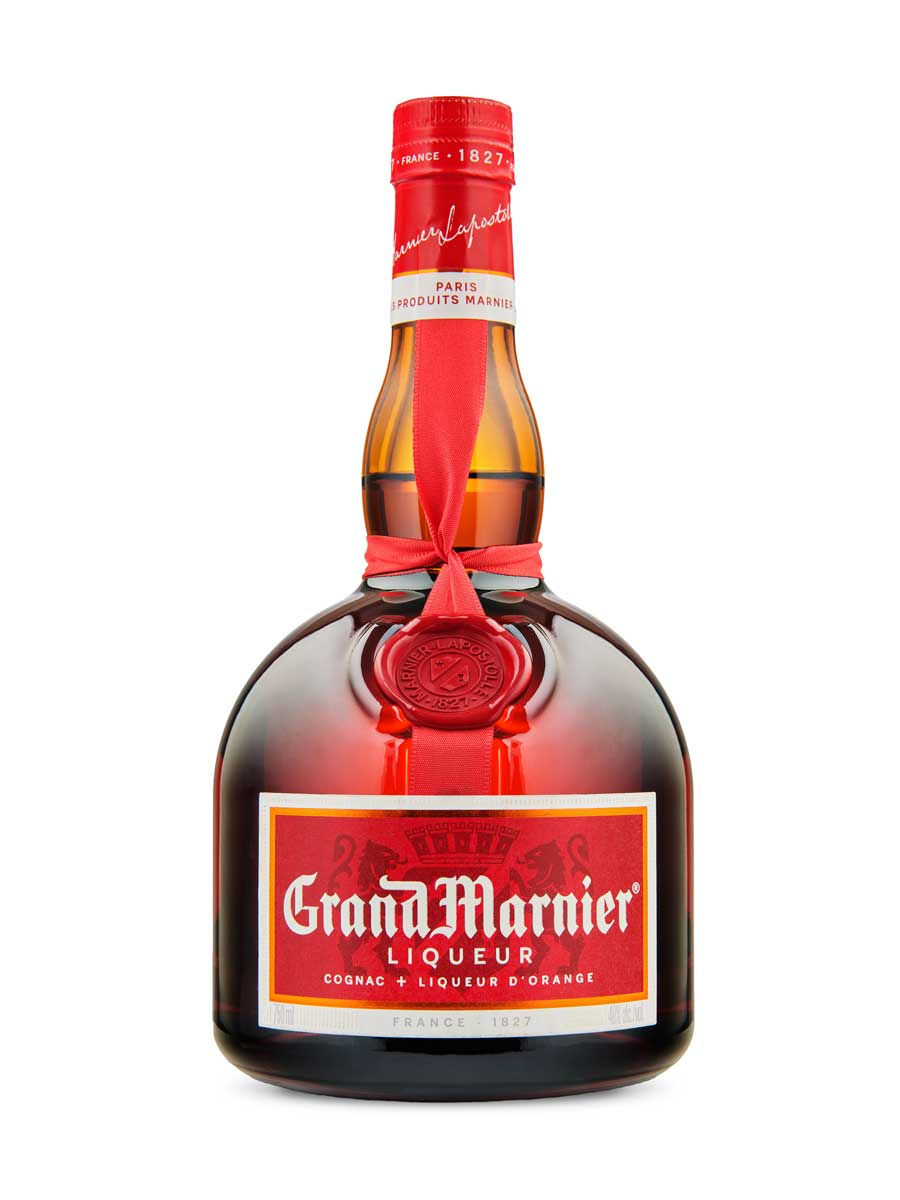
A general term for orange-flavored liqueurs (like triple sec or Grand Marnier) used to add citrus sweetness. Grand Marnier Cordon Rouge, the classic cognac-based version, is made in France at 40% alcohol and sold in a 750 mL bottle.
A broad catch-all category covering triple sec, curacao, Grand Marnier, and other orange-flavored liqueurs developed across Europe from the 19th century onward.
Orange liqueur as a broad category spans multiple distinct historical traditions, from Curacao's laraha-peel liqueur to France's triple sec (led by Cointreau, first made in 1875) to Grand Marnier's Cognac-based version (created in 1880), each with its own specific recipe and character even though they're often used interchangeably in recipes. As a generic glossary category, "orange liqueur" stands in for whichever specific bottle a recipe or bar happens to reach for.
Sweet, bittersweet orange peel flavor, varying in intensity, sweetness, and complexity by specific brand and style.
Flavor and quality vary considerably across the category, from bright and clean (Cointreau) to rich and brandy-based (Grand Marnier) to simpler, sweeter bar-well versions, with genuine differences noticeable side by side in a finished cocktail.