Cachaca
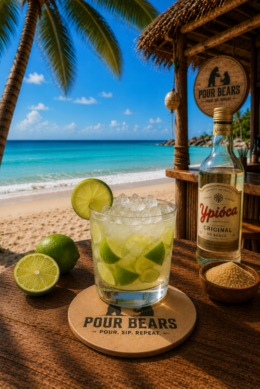
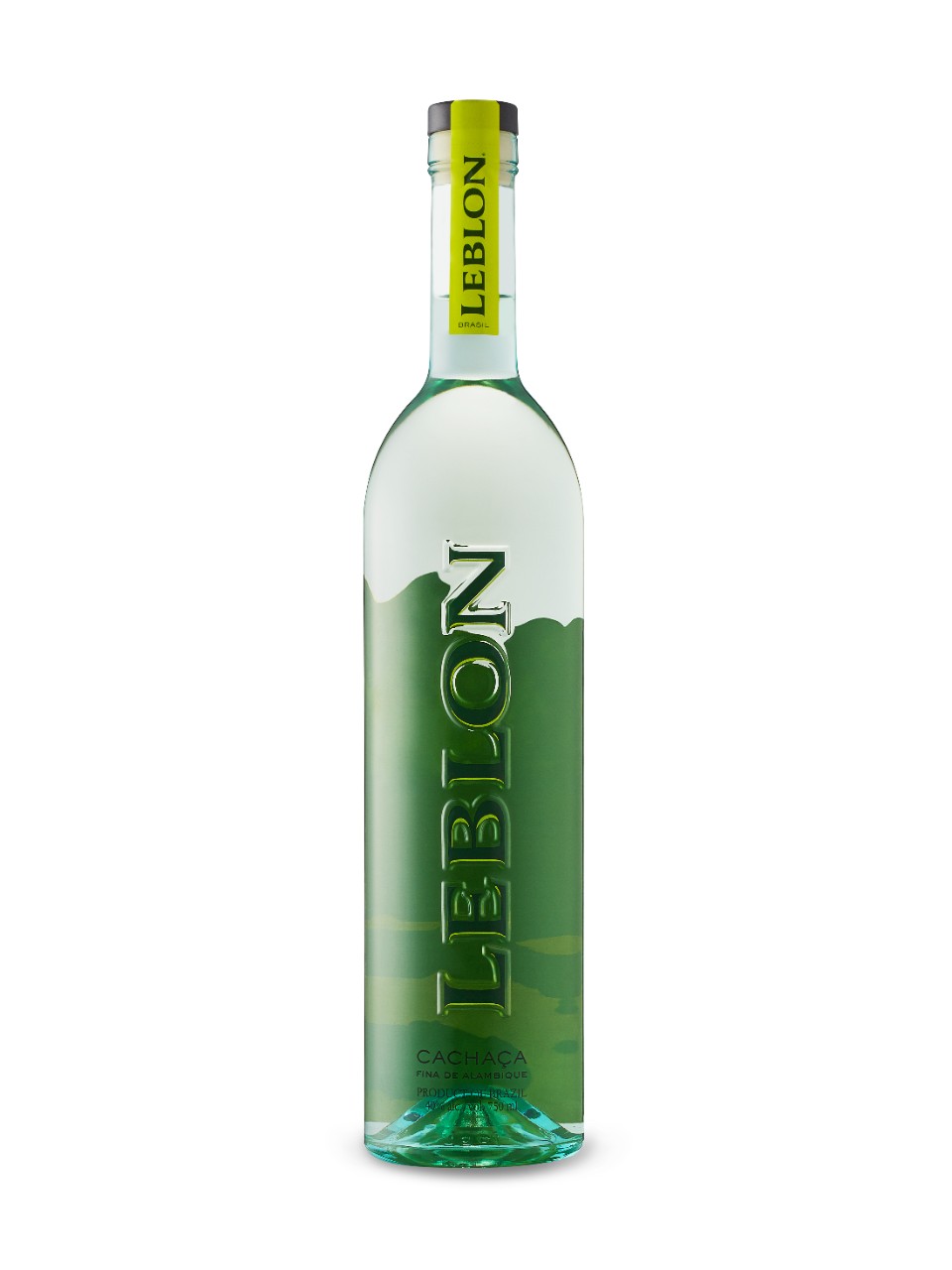
Brazil's national spirit, distilled from fresh sugarcane juice rather than molasses. The base of a Caipirinha.
Origin
Brazil, distilled from fresh sugarcane juice since Portuguese colonists brought sugarcane cultivation there in the 1500s.
History
Cachaca developed soon after the Portuguese established sugarcane plantations in Brazil in the 1530s, with enslaved laborers likely the first to discover that fermented cane juice could be distilled into spirit using stills the colonizers brought. The Portuguese crown briefly tried to suppress cachaca production in favor of its own bagaceira brandy, but cachaca's local popularity won out, and it was formally licensed for sale in 1661. By law it can only be called cachaca if made in Brazil from Brazilian-grown sugarcane, distilled once, directly from fresh cane juice rather than the molasses byproduct most rum uses.
Flavor profile
Grassy, vegetal, and funky, with a fresh sugarcane sweetness quite different from rum's usual molasses-driven character.
Tasting notes
Bright and herbaceous, tasting distinctly of fresh-pressed sugarcane rather than the caramelized molasses notes typical of most rum, with a slightly funky, vegetal edge that stands out clearly in a Caipirinha, its signature cocktail.
Substitutes
- White rum, for a similar clear, mixable base spirit, though the flavor shifts noticeably toward molasses sweetness rather than grassy cane character.
- Rhum agricole, for the closest substitute, since it's also distilled from fresh cane juice rather than molasses.
- A different cachaca brand, since the category itself is fairly distinct and most substitutes lose its signature grassy funk.