Amaretto
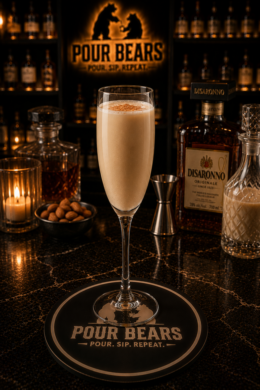
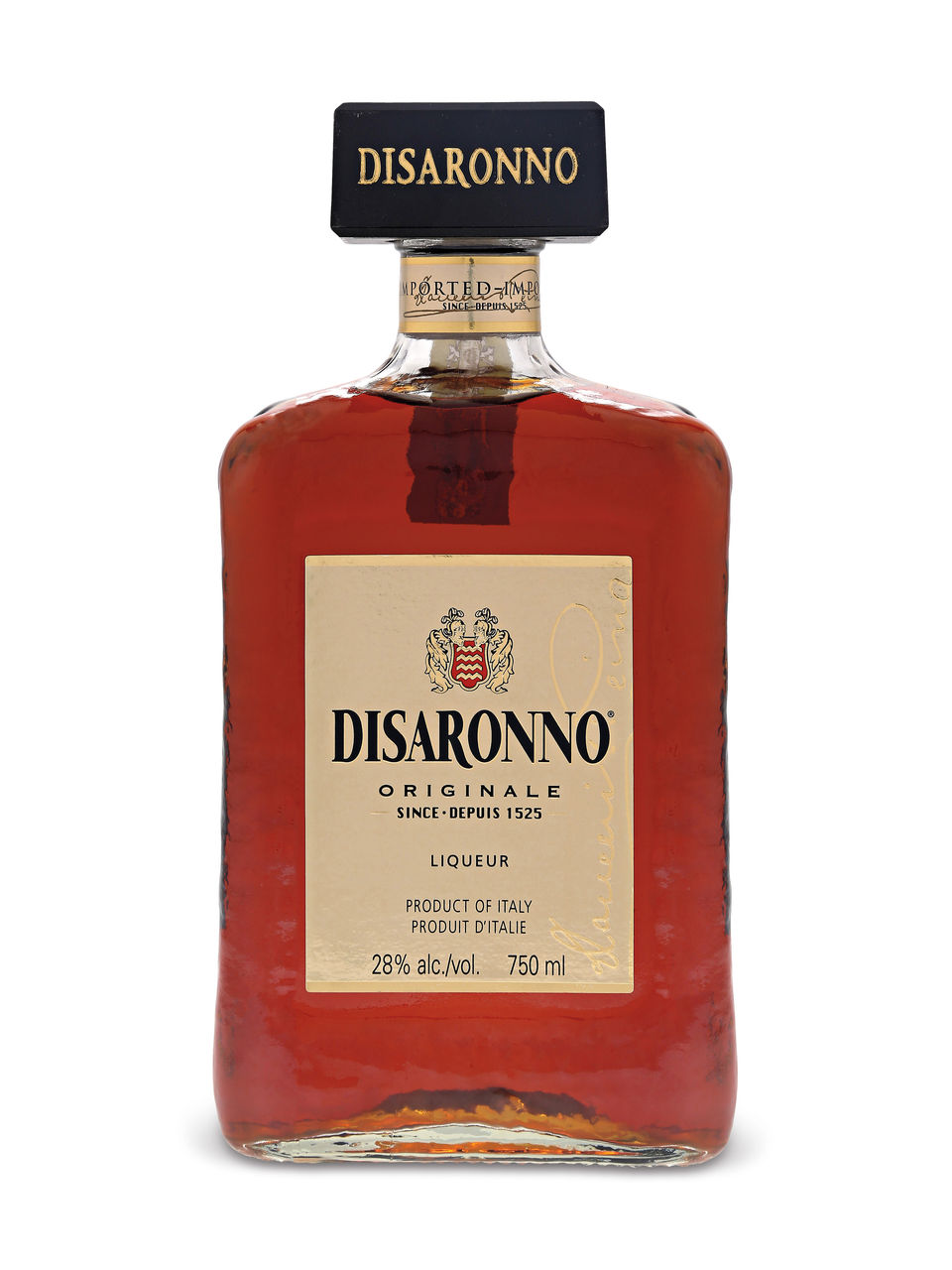
A sweet Italian liqueur with a distinctive almond flavor, traditionally made from apricot pits. Disaronno, the best-known label, comes from Italy at 28% alcohol in a 750 mL bottle.
Origin
Saronno, Italy, with a legend dating the recipe to the 16th century, though the modern commercial product traces to the 1920s.
History
The most-told origin story credits a widow in Saronno, Italy, who supposedly gave a young Bernardino Luini (a student of Leonardo da Vinci) an almond-and-apricot-kernel liqueur as thanks for using her as a model for the Madonna in a local fresco, sometime in the 16th century. Whether or not that particular story is true, the modern commercial version, Disaronno, was first bottled in the 1920s and built its distinctive almond flavor not from almonds at all but from apricot kernel oil, which shares a similar marzipan-like compound. It became a fixture of the 1970s and '80s cocktail scene (the Amaretto Sour especially) and remains one of the best-known Italian liqueurs worldwide.
Flavor profile
Sweet and nutty, tasting of marzipan and almond with an underlying apricot-pit warmth, and noticeably viscous.
Tasting notes
Rich marzipan sweetness dominates, with a soft stone-fruit note underneath and a faint bitter almond edge on the finish that keeps it from tasting purely sugary. Its heavy sweetness and body mean it's usually balanced with something sour or bitter rather than sipped alone.
Substitutes
- Orgeat syrup with a splash of brandy, for a similar almond sweetness with less overall sugar.
- Frangelico, for a different but complementary nutty liqueur (hazelnut rather than almond).
- A different amaretto brand, since most are built around the same marzipan flavor profile even if sweetness levels vary.