Vanilla Extract
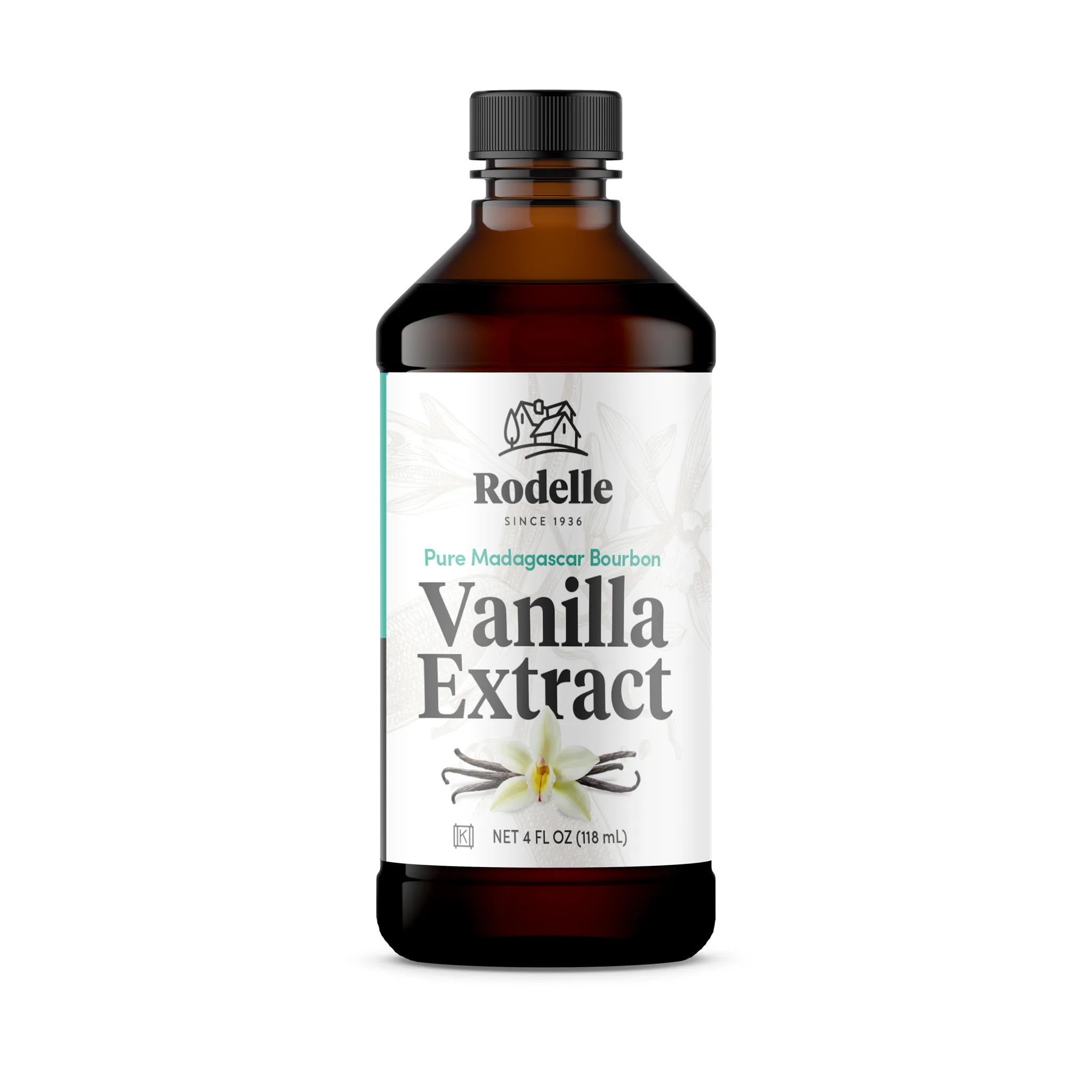
A concentrated liquid vanilla flavoring, used in small amounts.
Origin
The United States, where alcohol-based vanilla extraction became the standard commercial method for capturing vanilla bean flavor in a stable, pourable form starting in the 19th century.
History
Vanilla extract is produced by steeping cured vanilla beans in alcohol (traditionally around 35% ABV in the U.S., where "pure vanilla extract" is a legally regulated term), a method that became the standard commercial way to preserve and distribute vanilla's flavor once the bean itself proved too expensive and perishable for widespread kitchen use. Though primarily a baking staple, it crossed into bartending as a quick way to add real vanilla depth to a cocktail without needing a whole bean or a dedicated vanilla liqueur.
Flavor profile
Concentrated vanilla sweetness and warmth, with a noticeable alcoholic sharpness in its raw form.
Tasting notes
A few drops deliver a concentrated hit of real vanilla flavor, more potent and slightly sharper than vanilla syrup since it's alcohol-based rather than sugar-based, best used sparingly given its intensity.
Substitutes
- Vanilla syrup, for a sweeter, less sharp alternative.
- A vanilla bean, split and muddled, for the most natural but least convenient substitute.
- Vanilla vodka, for a milder, more diluted vanilla-and-alcohol substitute.