
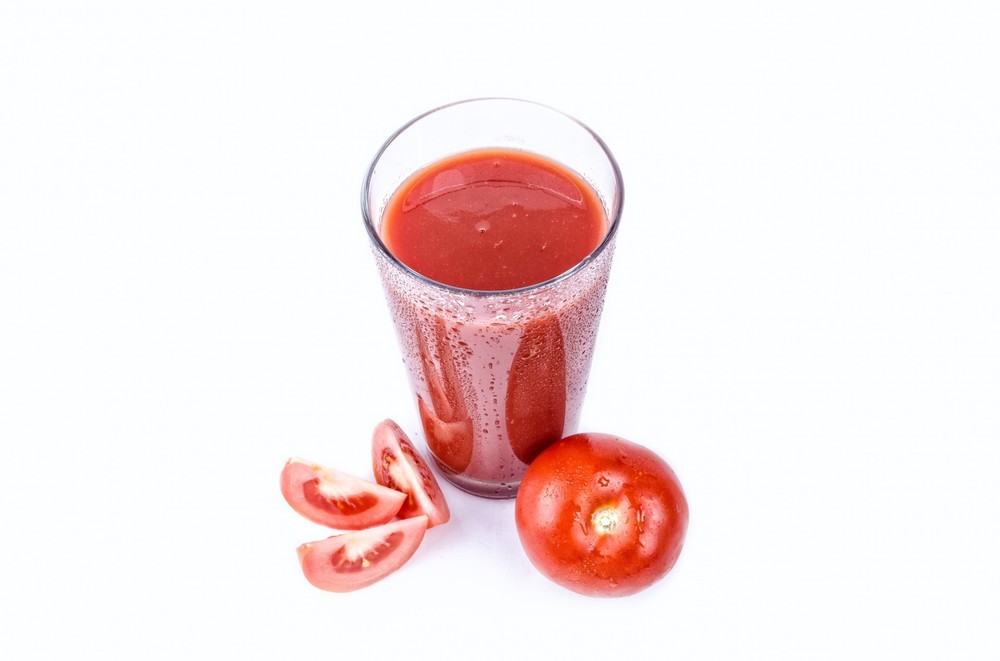
Tomato Juice
Savory, thick juice from tomatoes, the base of a Bloody Mary.
Origin
The United States, commercially popularized in the early 20th century, and forever linked to cocktail history through its central role in the Bloody Mary, first mixed in the 1920s or 1930s.
History
Tomato juice became a widely available commercial product in the United States by the early 1900s, marketed initially as a health drink, and its most famous cocktail application, the Bloody Mary, emerged sometime in the 1920s or 1930s with competing origin stories crediting bartenders in both Paris and New York. Its savory, umami-rich character made it a natural base for a spiced, savory cocktail style unlike almost anything else in the classic canon, and it remains the defining ingredient of brunch cocktail culture today.
Flavor profile
Savory and slightly sweet-tart, with a rich, vegetal tomato flavor and a thicker texture than most juices.
Tasting notes
A thick, savory base that carries spice, heat, and acidity well, exactly why it anchors the Bloody Mary and its countless variations, working as much like a savory cocktail base as a traditional mixer.
Substitutes
- V8 or a mixed vegetable juice, for a similar savory base with added vegetable complexity.
- Clamato, for a tomato-and-clam-broth substitute common in Canadian Caesars.
- Fresh pureed tomato thinned with water, as a homemade approximation.