
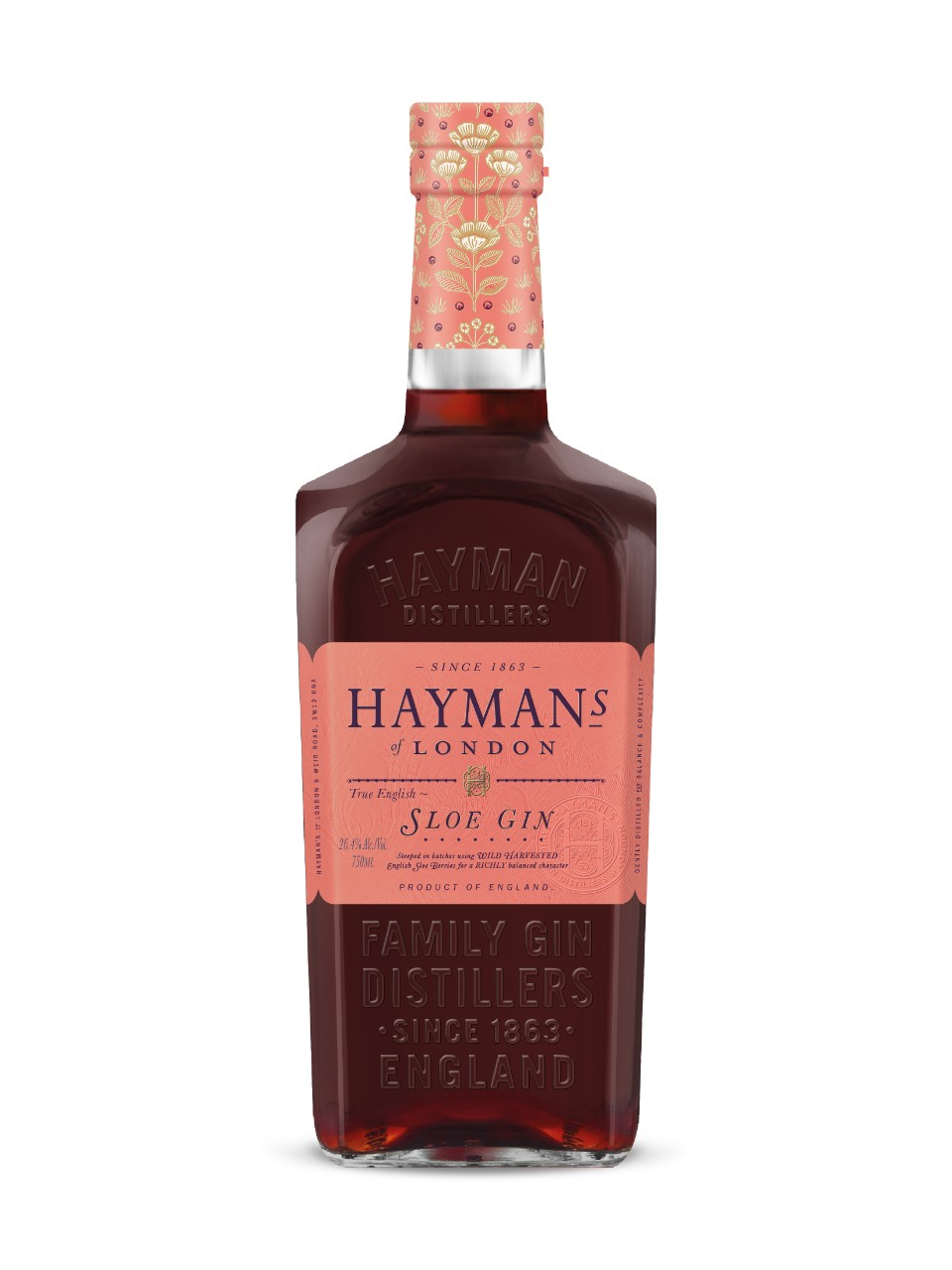
Sloe Gin
A gin-based liqueur sweetened and colored with sloe berries (a type of wild plum), giving it a deep red color and tart-sweet flavor.
Origin
England, developed in the 17th century after enclosure laws led to widespread planting of blackthorn hedges, whose sloe berries farmers found a practical use for by steeping them in gin.
History
Sloe gin's origin ties directly to 17th-century English enclosure laws, which divided common land into private farms separated by hedges, and blackthorn (a dense, thorny shrub bearing small, intensely tart sloe berries) became a popular hedging plant. Farmers, left with an abundance of sloe berries too astringent to eat directly, found that steeping them in gin produced a drinkable, fruity liqueur, and 19th-century British distilleries eventually refined homemade versions into proper commercial products. It became a traditional English Christmas-season drink, since the several months needed to infuse the berries meant a batch started in autumn was ready right around the holidays, and it remains the essential ingredient in a Sloe Gin Fizz.
Flavor profile
Tart, fruity, and slightly almond-like, with gin's botanical character still present underneath sloe berry's sharp, plum-like flavor.
Tasting notes
A distinctive tart, plummy fruitiness with a faint almond note (from the berry's pit) layered over gin's juniper backbone, less sweet and more complex than a typical fruit liqueur.
Substitutes
- A different sloe gin brand, since homemade and small-batch versions vary quite a bit in sweetness and intensity.
- Plum liqueur, for a related but distinctly different stone-fruit substitute.
- Gin with a splash of cherry or plum liqueur, as a rough homemade approximation.