Reposado Tequila
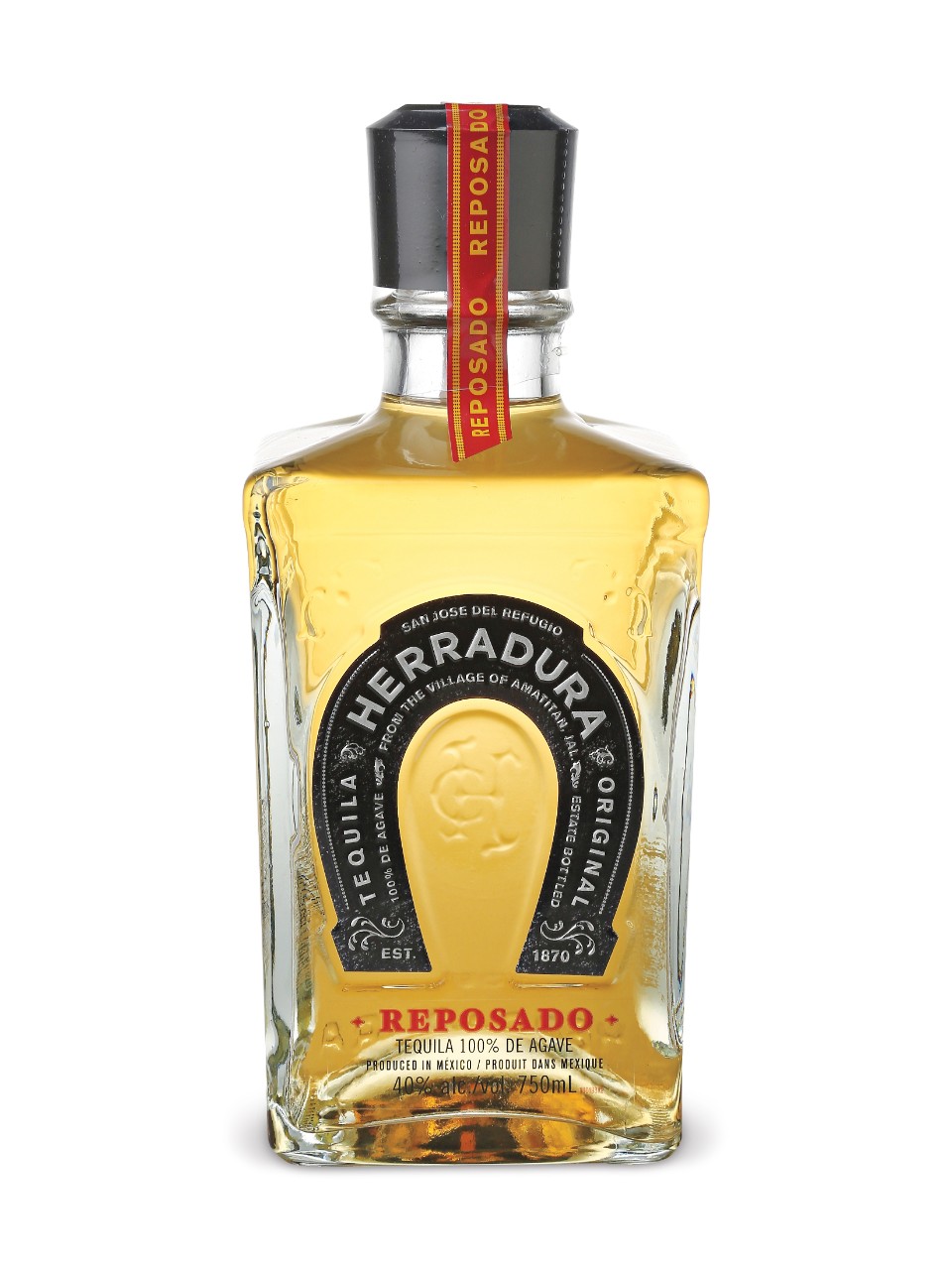
Tequila aged in oak for a few months to just under a year, giving it a light gold color and a flavor between crisp blanco and rounder añejo styles.
Origin
Jalisco, Mexico, the middle aging category of tequila, formally defined in 1968 as tequila aged 2 to 12 months in oak.
History
Tequila's aging categories developed gradually, with Mexico's first laws distinguishing aged from unaged tequila appearing only in 1964; reposado ("rested") was formally defined in 1968 as tequila aged between 2 and 12 months in oak barrels, positioned as a middle ground between unaged blanco and the longer-aged anejo category. It became a popular choice for drinkers wanting some of the roundness barrel aging provides without blanco's sharp, unaged character or anejo's heavier, more brandy-like intensity.
Flavor profile
A balance between blanco's bright, peppery agave character and anejo's oak-driven richness, with light vanilla and caramel notes.
Tasting notes
Retains blanco's vegetal, peppery agave brightness while picking up a gentle vanilla-oak roundness from its time in barrel, making it a versatile middle-ground choice for both sipping and mixing.
Substitutes
- Blanco tequila, for a sharper, more purely agave-forward substitute without oak character.
- Anejo tequila, for a richer, more heavily oak-aged substitute.
- A different reposado brand, since the category's overall style stays fairly consistent.