Pisco
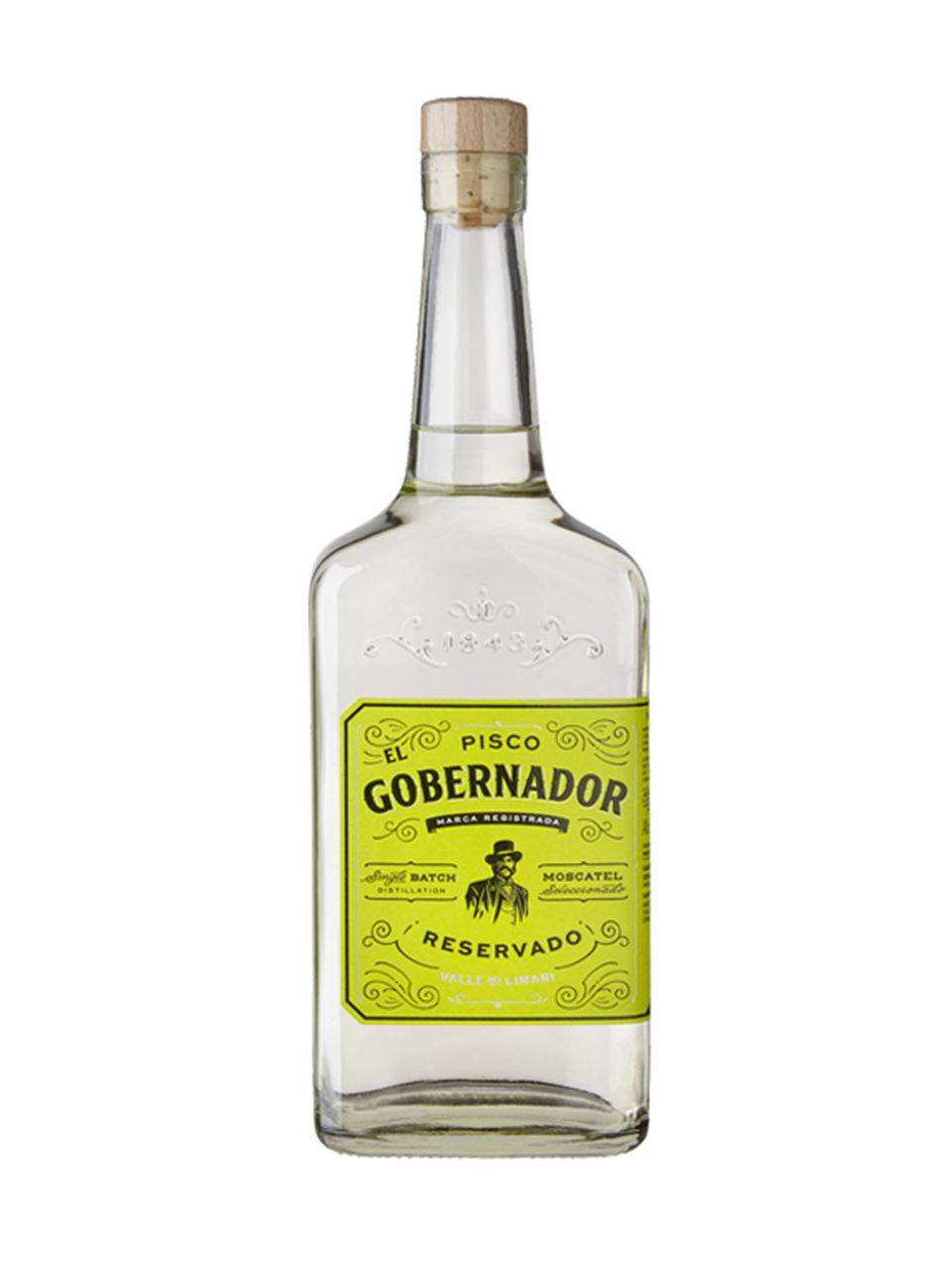
A South American grape brandy from Peru and Chile, the base spirit of the Pisco Sour.
Origin
Peru, developed in the 16th century by Spanish colonizers distilling local grapes; the name derives from the Peruvian port city of Pisco, from which it was historically exported.
History
Pisco was developed in the 16th century in the arid coastal regions of colonial Peru, where Spanish settlers applied European distillation techniques to locally grown grapes, and it took its name from the port city of Pisco, through which it was shipped internationally. Peru and Chile have disputed pisco's true origin and naming rights for decades, a rivalry tracing back to 19th-century territorial conflicts between the two countries; 2024 UNESCO historical research affirmed Peru's production and export of pisco under that name during the 16th and 17th centuries. The two countries also regulate it differently: Peru restricts pisco to eight specific grape varieties, requires pot-still distillation, and prohibits barrel aging, while Chile allows more grape varieties and permits aging.
Flavor profile
Grape-forward and aromatic, ranging from clean and floral to richer and more complex depending on the grape variety and style.
Tasting notes
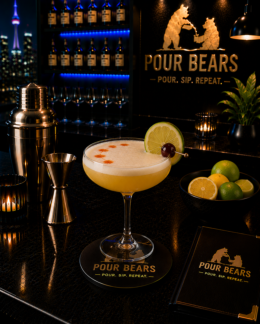
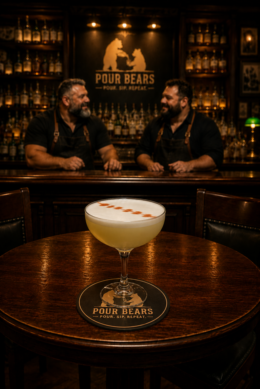
Distinctly different from grain or agave spirits, pisco carries real grape and floral aromatics from its wine-adjacent base, forming the backbone of the Pisco Sour, a frothy, citrus-forward cocktail (with egg white) that's the spirit's signature drink in both Peru and Chile.
Substitutes
- A different pisco (Peruvian or Chilean), understanding the two national styles differ noticeably in production and flavor.
- Grappa, for a different but related grape-based spirit substitute.
- A light, unaged brandy, in a genuine pinch, though the specific pisco character will be missing.