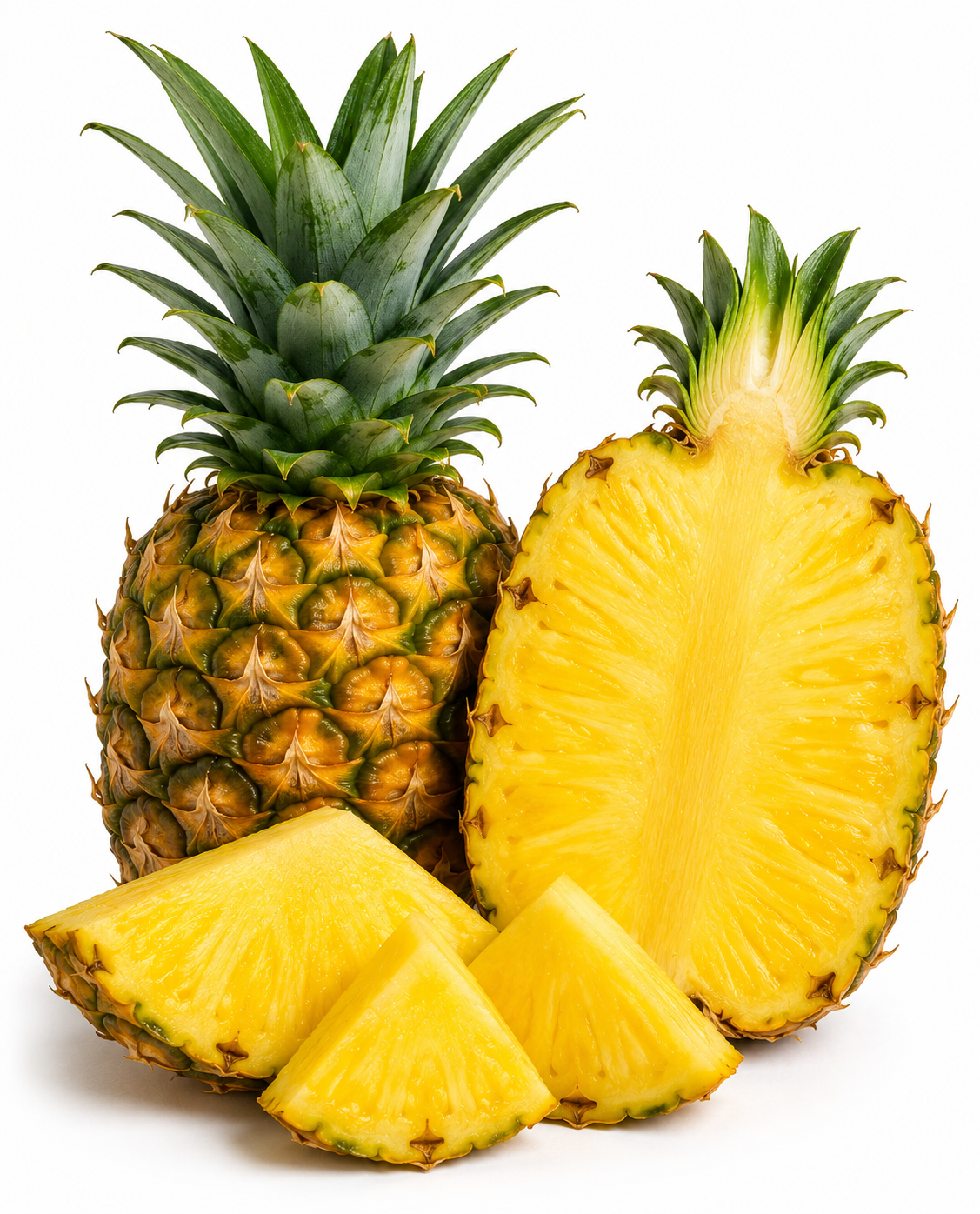
Pineapple
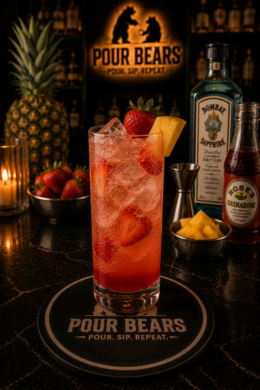
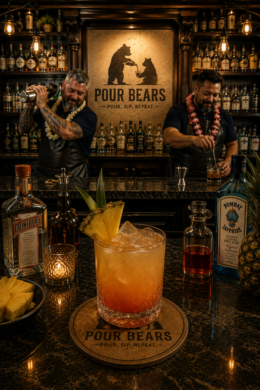
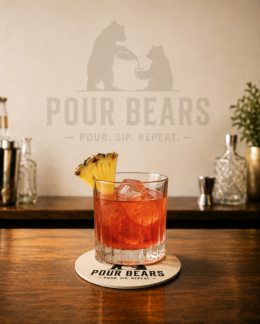
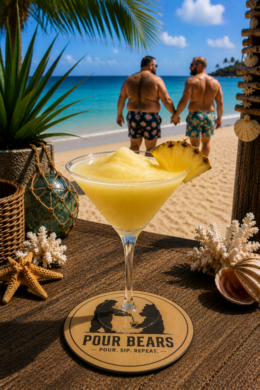
Fresh pineapple, muddled, juiced, or used as a wedge/leaf garnish for tropical drinks.
Origin
South America (present-day Brazil and Paraguay), cultivated by indigenous peoples for centuries before Spanish and Portuguese explorers spread it globally starting in the late 15th century.
History
Pineapples were domesticated in South America long before European contact and became a status symbol in Europe after Columbus encountered them in the Caribbean in 1493, prized for centuries as an exotic luxury before Hawaiian plantations made it a cheap, globally available commercial crop by the early 20th century. It became inseparable from tropical and tiki cocktail culture through the mid-20th century, most famously in the Pina Colada, and remains one of the defining flavors of tropical drink-making.
Flavor profile
Bright, tart-sweet tropical flavor with a distinctive acidity and juicy texture.
Tasting notes
Fresh pineapple brings real sweetness balanced by sharp acidity and a slightly tangy, almost effervescent quality on the tongue, muddled or juiced fresh for a brighter result than canned or bottled versions typically provide.
Substitutes
- Pineapple juice, when a liquid form is needed instead of fresh muddled fruit.
- Pineapple syrup, for a sweeter, more concentrated version of the same flavor.
- Mango, for a different but comparably sweet tropical fruit substitute.