Passion Fruit
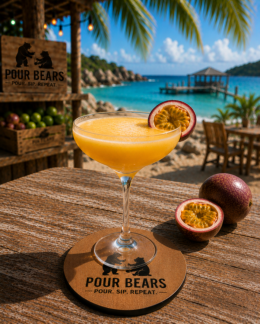
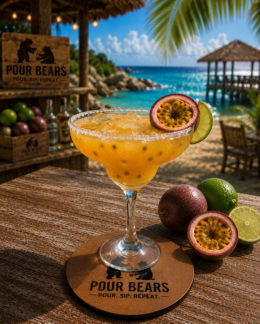
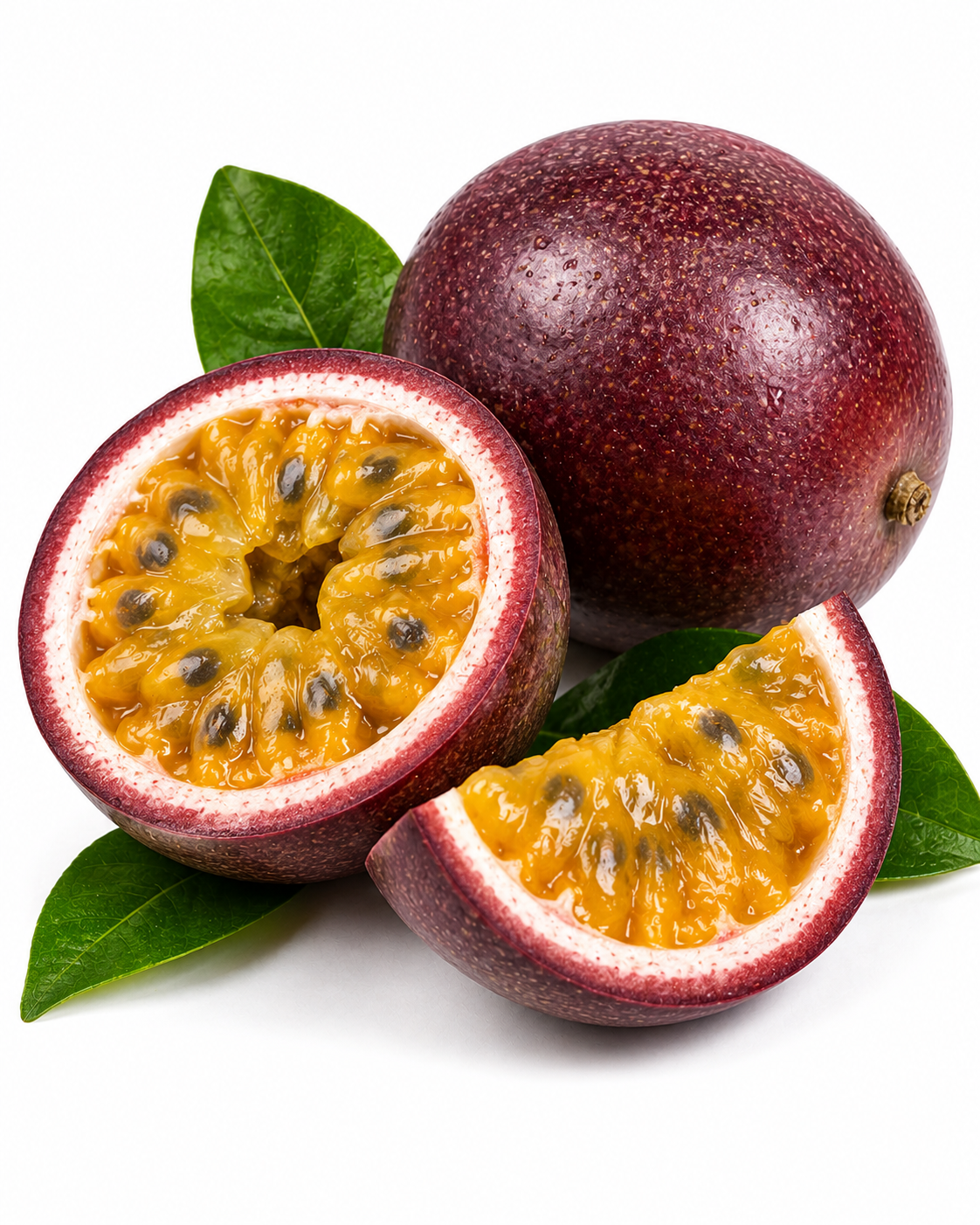
Fresh passion fruit, its tart, aromatic pulp scooped out and used to add bright tropical flavor to cocktails.
Origin
South America (likely Brazil, Paraguay, or northern Argentina), spreading to other tropical regions through colonial-era trade and later commercial cultivation.
History
Passion fruit's exact wild origin is debated among a few South American countries, but it spread widely through the tropics after European contact, eventually becoming commercially important in Brazil, Hawaii, and elsewhere. Its intensely aromatic, tart-sweet pulp became a defining flavor of modern tropical and tiki cocktails, especially popular from the late 20th century onward as fresh and pureed tropical fruits gained wider availability outside their native growing regions.
Flavor profile
Intensely aromatic and tart-sweet, with a distinctive tropical-floral character unlike almost any other fruit.
Tasting notes
A concentrated, perfumed sweetness with real tartness and a musky-floral aroma that stands out sharply even in small amounts, making it a favorite modern addition to tropical cocktails wanting a bold, distinctive fruit character.
Substitutes
- Passion fruit juice or syrup, for a convenient pre-made version of the same intense flavor.
- Guava, for a different but comparably aromatic, tropical fruit substitute.
- Mango with a squeeze of lime, as a rough approximation of the sweet-tart balance.