
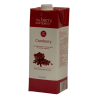
Cranberry Juice
Tart, slightly sweet juice from cranberries, a key mixer in drinks like the Cosmopolitan and Sea Breeze.
Origin
North America, where cranberries are native and were used by Indigenous peoples long before European colonization; commercial bottled cranberry juice became widespread in the 20th century.
History
Cranberries are one of relatively few commercially significant fruits native to North America, long used by Indigenous peoples before European settlers adopted them. Ocean Spray, founded in 1930, played a major role in turning cranberry juice into a mainstream commercial product through the 20th century, and its sharp tartness and deep red color made it a natural cocktail mixer, most famously anchoring the Cosmopolitan and Cape Codder.
Flavor profile
Sharply tart and slightly sweet (commercial bottlings are usually sweetened, since pure cranberry juice is intensely sour on its own), with a deep red color.
Tasting notes
Bright tartness dominates even in sweetened commercial versions, adding both acidity and a striking red-pink color to a drink, making it a workhorse mixer wherever a recipe wants tang and color without full-on citrus sourness.
Substitutes
- Pomegranate juice, for a similarly tart, deep-red substitute.
- Cranberry cordial or cranberry syrup diluted with water, as a sweeter, more concentrated alternative.
- A mix of cherry juice and a squeeze of lime, as a rough approximation in a pinch.