Agave Syrup
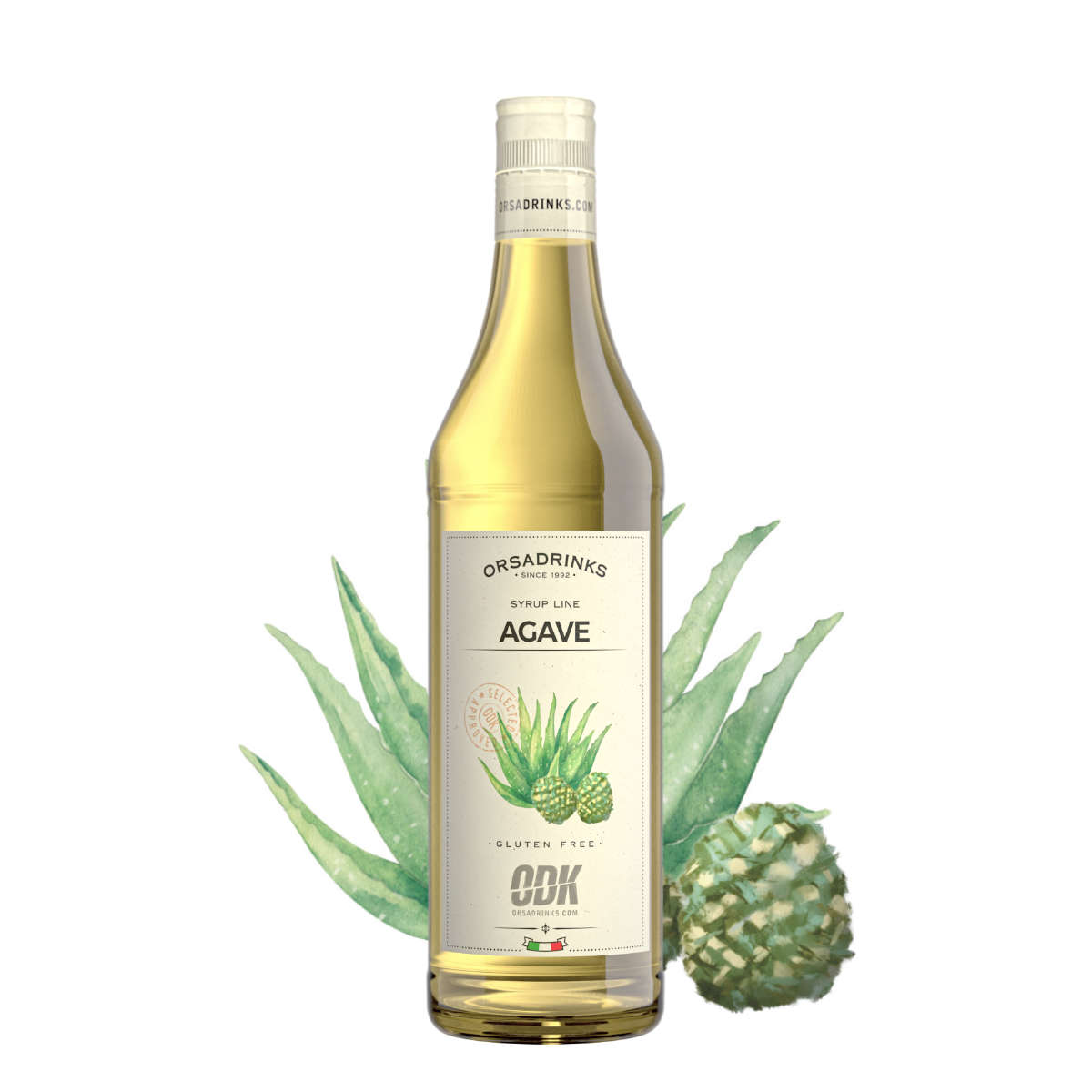
A sweetener derived from the agave plant, milder and thinner than honey, often used with tequila cocktails.
Origin
Mexico, where indigenous communities have long tapped sugars from the agave plant; the commercial "agave nectar" product was developed and marketed starting in the mid-1990s.
History
Agave plants (the same family used to make tequila and mezcal) have been a source of sugars for indigenous communities in Mexico for centuries, traditionally reduced from the sap of the plant's core. The modern bottled product sold as "agave nectar" or "agave syrup" is a much newer invention: it was developed and commercialized in the 1990s, marketed initially as a natural, lower-glycemic alternative to refined sugar and honey, and produced mainly in Jalisco from the same blue Weber agave used in tequila. It caught on with the health-food market first and later became a popular bartender's sweetener, prized for how easily it dissolves into cold, spirit-forward drinks.
Flavor profile
Mild and clean-sweet, with a faint vegetal, almost honey-like undertone, and a thinner consistency than honey.
Tasting notes
Sweeter than simple syrup by volume, with very little flavor of its own beyond a light, neutral sweetness and the faintest agave earthiness. It dissolves easily into cold cocktails without heating, which is most of its appeal behind the bar.
Substitutes
- Simple syrup (1:1 sugar and water), for a neutral sweetener with a very similar texture.
- Honey syrup (honey thinned with a little warm water), for more floral depth in a drink that can take it.
- Simple syrup with a small pinch of extra lime, to approximate agave's slightly more neutral sweetness in a Margarita-style drink.