
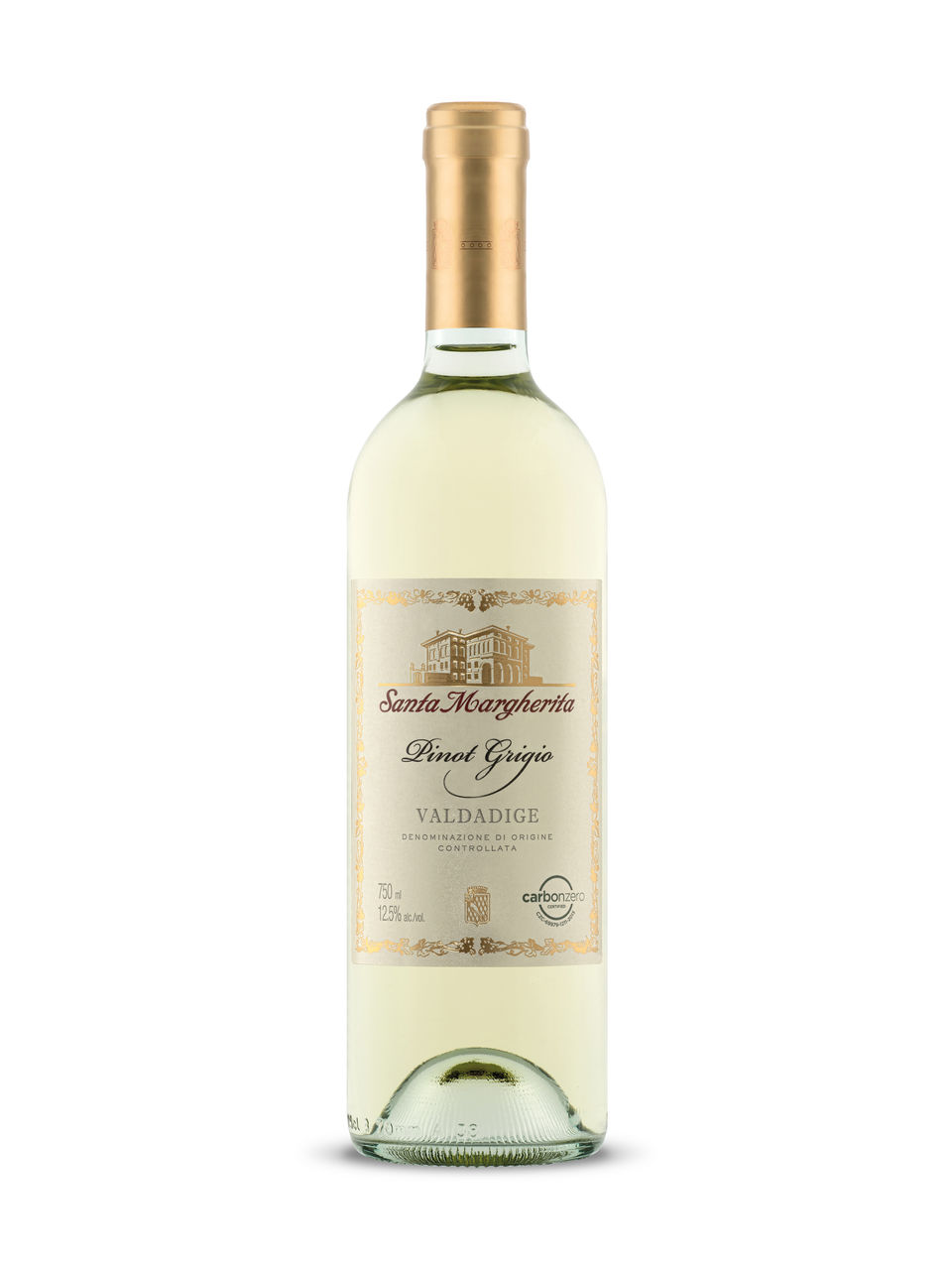
White Wine
Still wine made from light-skinned or de-skinned grapes, occasionally used in cocktails and wine spritzers.
Origin
The Caucasus region (modern Georgia and Armenia), where the earliest evidence of winemaking dates back roughly 8,000 years, with white wine styles developing across virtually every wine-producing region since.
History
Wine production's earliest known evidence comes from the Caucasus region roughly 8,000 years ago, and white wine, made without extended contact between the juice and grape skins, spread and diversified across essentially every wine-growing region in the world. Its cocktail role spans everything from simple wine spritzers to sangria to more elaborate wine-based cocktails, valued for its lighter body and brighter acidity compared to red wine, making it a natural match for lighter, warm-weather drinks.
Flavor profile
Varies by grape and region, but generally crisp and bright, ranging from dry and mineral to fruity and off-dry.
Tasting notes
As a broad category, flavor depends heavily on the specific white wine used, but the shared trait is a lighter body and brighter acidity than red wine, making it a natural base for spritzes and lighter sangria-style cocktails.
Substitutes
- A different dry white wine, for the most direct substitute in most recipes.
- Dry vermouth, for a fortified, more concentrated substitute in smaller quantities.
- Sparkling wine, for a version with added effervescence.