

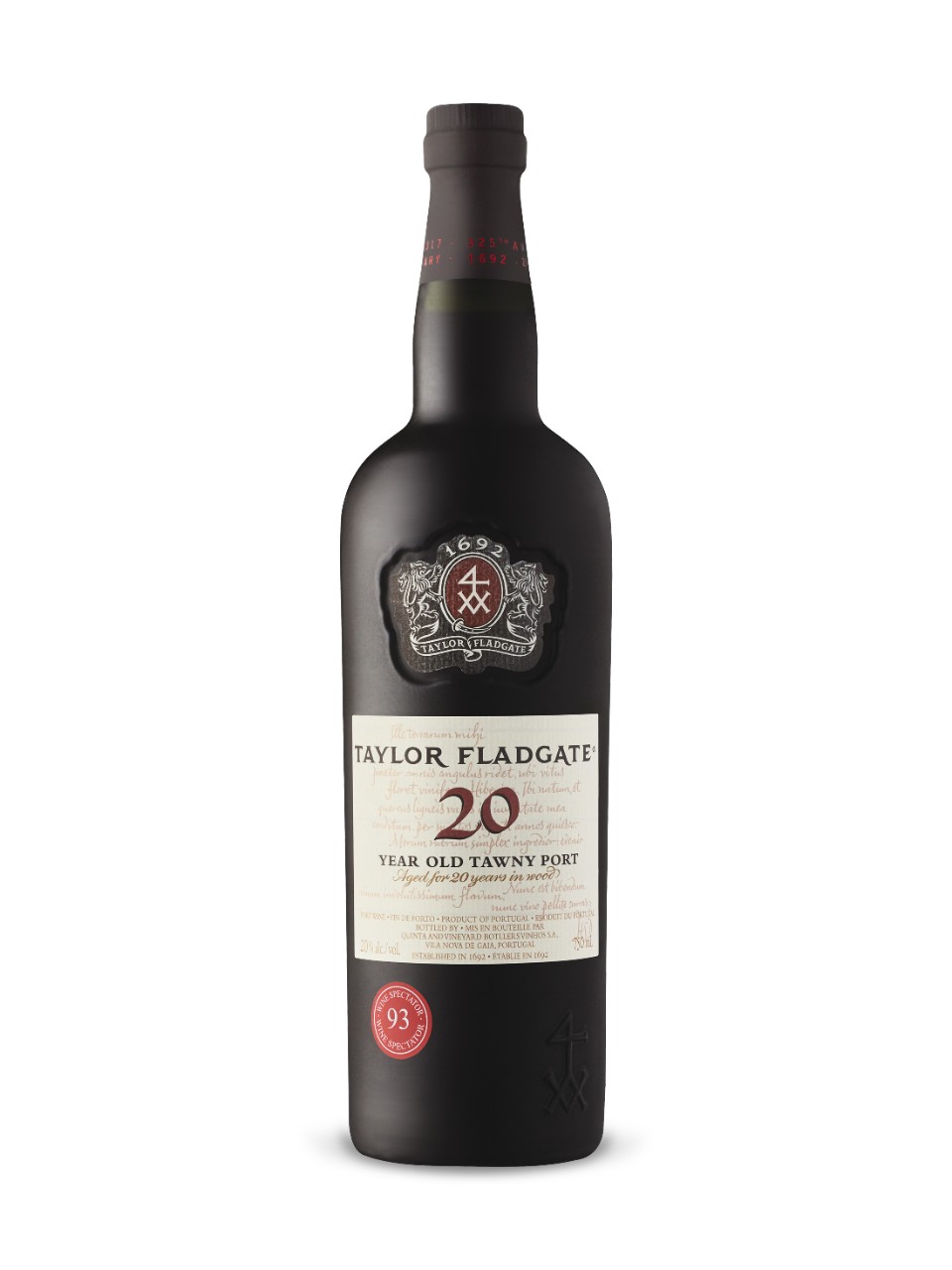
Tawny Port
A style of port aged in wood casks, giving it a lighter amber color and a nuttier, more caramelized flavor than young ruby port.
Origin
The Douro Valley, Portugal, a fortified wine style aged in wooden barrels, distinguished from ruby port by extended oxidative aging.
History
Like all port, tawny port comes from Portugal's Douro Valley, where the practice of fortifying wine with grape spirit dates to the 17th and 18th centuries, originally done to stabilize wine for the long sea voyage to England. Tawny styles specifically develop through extended aging in wooden barrels rather than sealed bottles, allowing slow oxidation and evaporation to soften the wine's color from deep ruby to a lighter amber-brown and mellow its fruit into nuttier, caramelized notes, with age-labeled tawnies (10, 20, 30, 40 years) representing an average blended age from the solera-like system used to produce them.
Flavor profile
Nutty, caramelized, and dried-fruit-forward, with notes of toffee, walnut, and dried fig rather than fresh berry.
Tasting notes
A smooth, mellow sweetness with real nutty and caramel complexity from its oxidative aging, quite different from ruby port's brighter, more fruit-forward character, making it a natural match for desserts and after-dinner sipping.
Substitutes
- Ruby port, for a fruitier, less nutty substitute if tawny specifically isn't available.
- Oloroso sherry, for a related oxidative, nutty substitute.
- Madeira, for a different but comparably rich, oxidized fortified wine substitute.
Common cocktails