Sambuca
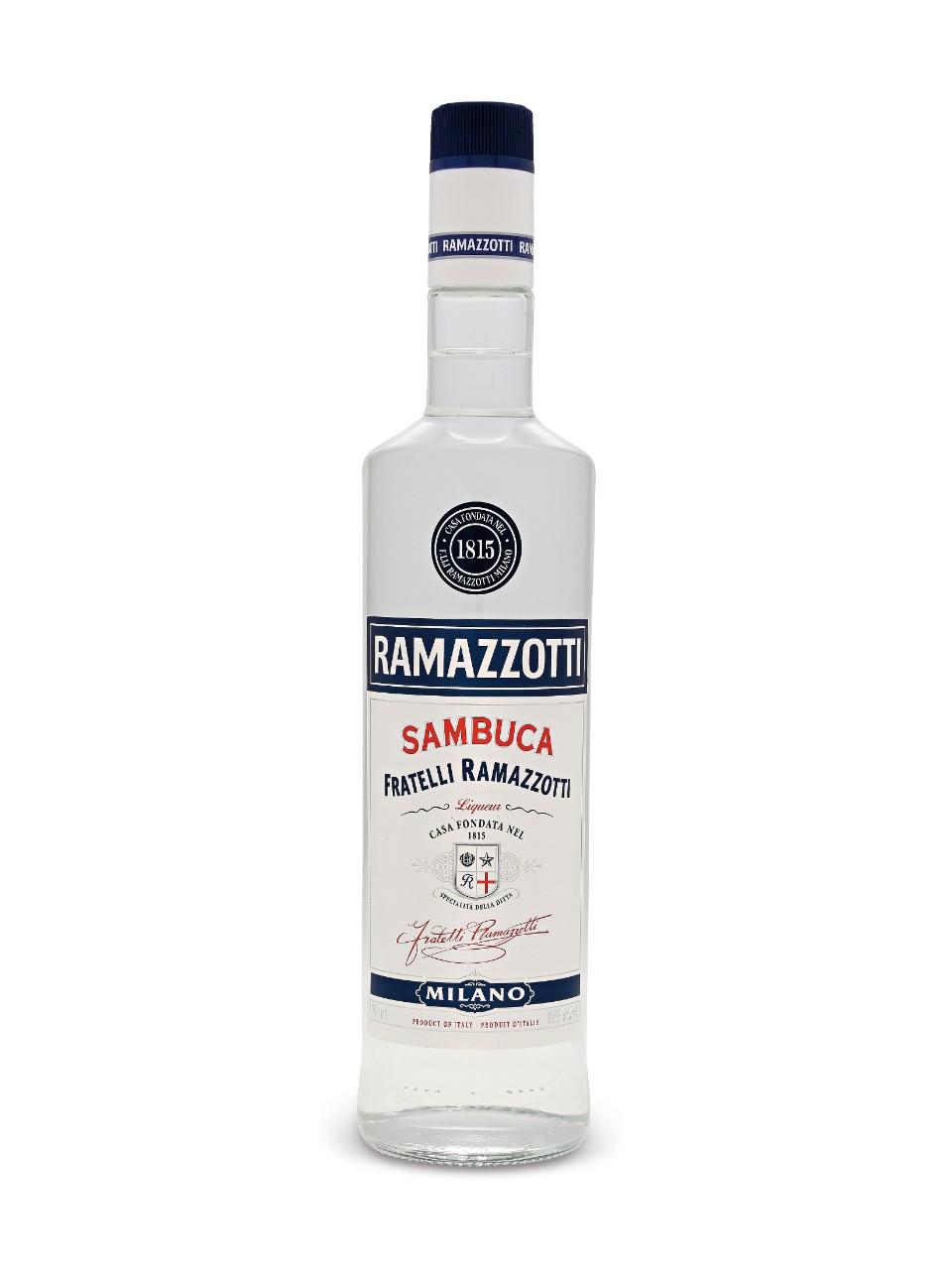
An Italian anise-flavored liqueur, often served with coffee beans floating on top.
Origin
Lazio, Italy, believed to have originated in the late 19th century, popularized commercially by Luigi Manzi in Civitavecchia.
History
Sambuca is a surprisingly recent Italian tradition given how classic it feels, generally traced to the Lazio region in the late 1800s and made from a neutral spirit infused with star anise and elderflower rather than true anise seed (the ingredient anisette is built around). It became a fixture of Italian after-dinner drinking culture, traditionally served "con la mosca" (with three coffee beans floating on top, symbolizing health, happiness, and prosperity), and later spread internationally as a popular flaming shot in bar culture from the late 20th century onward.
Flavor profile
Intensely sweet and anise-forward, tasting distinctly of licorice and star anise.
Tasting notes
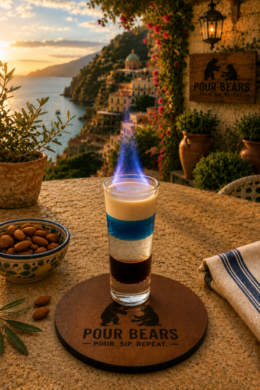
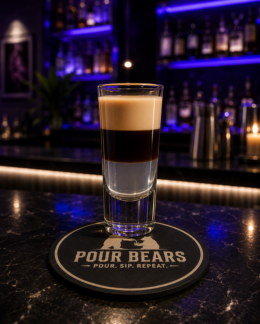
A clean, sweet licorice flavor dominates, generally sweeter and higher-proof than anisette, traditionally sipped slowly after dinner or served as a shot, sometimes lit briefly on fire for a theatrical presentation before drinking.
Substitutes
- Anisette, for a related but lower-proof, distinctly different sweet anise liqueur.
- Ouzo or pastis, for a drier anise spirit substitute, understanding it will taste noticeably less sweet.
- Black sambuca, for a related but distinctly darker, more licorice-root-forward variation.