
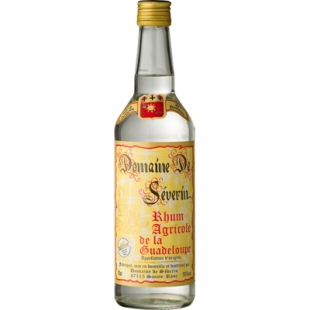
Rhum Agricole
A style of rum from the French Caribbean (especially Martinique) distilled from fresh sugarcane juice rather than molasses, giving it a grassier, more vegetal flavor than typical rum.
Origin
Martinique, in the French Caribbean, pioneered commercially in 1887 by farmer-distiller Homere Clement amid a sugar-price crisis that pushed producers toward rum made from fresh cane juice instead.
History
Unlike most rum, which is distilled from molasses (a sugar-refining byproduct), rhum agricole is made directly from fresh-pressed sugarcane juice, a style pioneered commercially in Martinique starting in 1887 by Homere Clement, after a severe sugar overproduction crisis between 1884 and 1896 forced many struggling sugar plantations to convert to rum production instead, using the cane juice directly rather than waiting for it to become a processing byproduct. Martinique producers spent decades developing a formal Appellation d'Origine Controlee for the style, finally established in 1996 (upgraded to AOP status in 2024), which strictly requires fresh cane juice with no molasses or added sugar permitted at any stage.
Flavor profile
Fresh, grassy, and vegetal, with a distinctly funky terroir-driven character quite different from molasses-based rum.
Tasting notes
Bright and herbaceous, tasting distinctly of fresh sugarcane rather than the caramelized molasses notes typical of most rum, with a grassy, sometimes funky complexity that reflects the specific cane and soil it was grown from, similar in spirit to cachaca but produced under much stricter regulation.
Substitutes
- Cachaca, for a related but distinctly different fresh-cane spirit from Brazil.
- A different rhum agricole producer, since terroir genuinely shapes flavor across Martinique's various distilleries.
- White rum, understanding it will lack rhum agricole's distinctive grassy, vegetal character.