
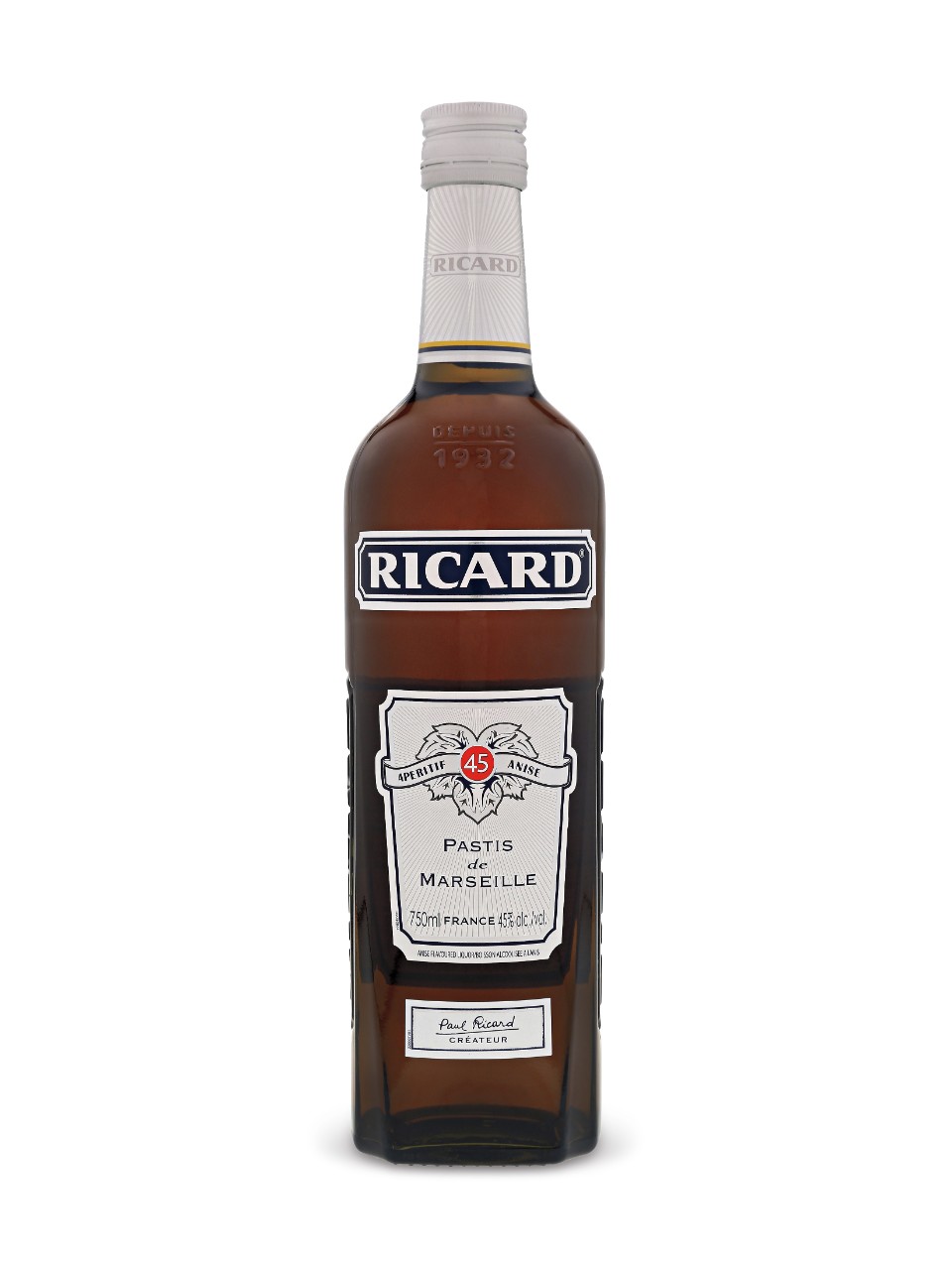
Pastis
A French anise-flavored liqueur traditionally mixed with water; a common modern substitute for absinthe in classic recipes.
Origin
Marseille, France, created in 1932 by Paul Ricard as a legal, wormwood-free alternative to absinthe, which had been banned in France since 1915.
History
France banned absinthe in 1915, and Paul Ricard, a 23-year-old artist-turned-entrepreneur from Marseille with no formal distilling background, developed and standardized a recipe for pastis in 1932: an anise-and-licorice spirit built without wormwood, sidestepping the legal restrictions that had killed off absinthe. His brand grew rapidly, reaching 2.4 million liters in sales by 1938 and becoming France's best-selling pastis by the 1960s. Pernod, a former major absinthe producer that had similarly pivoted to its own anise-based substitute after the ban, eventually merged with Ricard's company in 1975 to form Pernod Ricard, now one of the world's largest spirits companies.
Flavor profile
Strong anise and licorice flavor, dry and herbal, similar to absinthe but without wormwood's bitter edge.
Tasting notes
Bold black licorice and anise dominate, turning cloudy (louched) when mixed with water, the same visual and flavor transformation absinthe undergoes - traditionally diluted with water and ice and sipped slowly as a French aperitif rather than mixed into elaborate cocktails.
Substitutes
- Ouzo, for a related but distinctly different Greek anise spirit.
- Anisette, for a sweeter, lower-proof substitute.
- Absinthe, in a much smaller amount, for a related but more bitter, higher-proof substitute.