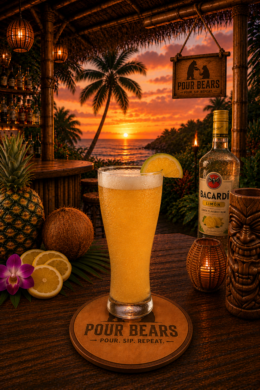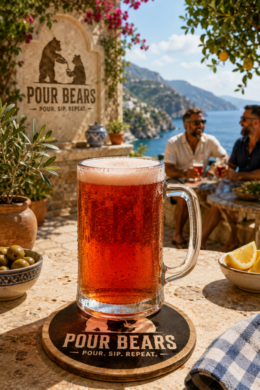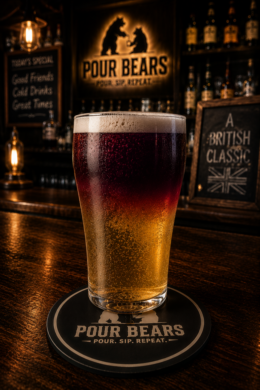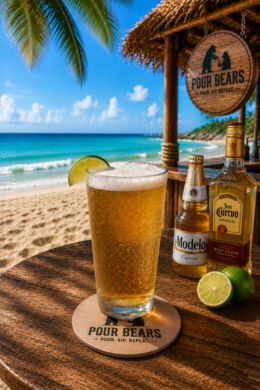
Lager
A crisp, clean style of beer, commonly used in cocktails like a Michelada or beer cocktail.
Origin
Bavaria, Germany, where bottom-fermenting yeast strains and cold-cave storage ("lagern," German for "to store") developed the style in the 15th and 16th centuries.
History
Lager takes its name from the German word for storing, since the style relies on bottom-fermenting yeast that works slowly at cold temperatures, traditionally aged in cool caves or cellars, unlike the warmer, faster-fermenting ales that dominated brewing before it. The clear, golden pilsner style, developed in Pilsen, Bohemia in 1842, became the template for the pale lagers that now dominate global beer production. In cocktails, lager's clean, crisp profile makes it a natural mixer in drinks like the michelada and shandy, where its lightness plays well against citrus and spice.
Flavor profile
Clean, crisp, and mildly grainy, generally lighter and less bitter than ale styles.
Tasting notes
A light, refreshing grain sweetness with restrained hop bitterness and no dominant fruity esters, making it an easy, low-key mixer that doesn't compete with other flavors the way a bolder ale or stout would.
Substitutes
- Pilsner specifically, for an especially crisp, hop-forward lager substitute.
- A different light beer style, if a specific lager brand isn't essential to the recipe.
- Hard seltzer, for a different but comparably light, easy-drinking carbonated base.