

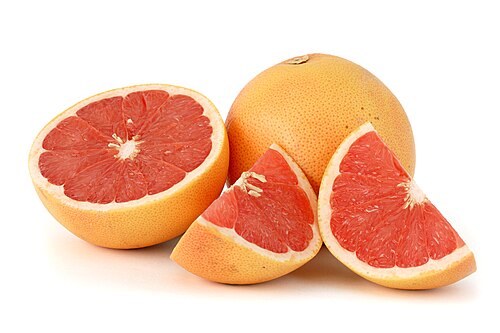
Grapefruit Peel
A twist of grapefruit zest, expressed over a drink to release aromatic citrus oils as a garnish.
Origin
The same Caribbean origin as the fruit itself; using citrus peel as a garnish and aromatic accent dates back to the earliest days of cocktail-making.
History
Expressing citrus peel oils over a finished drink, rather than juicing the fruit, is one of bartending's oldest garnishing techniques, dating to the earliest 19th-century cocktail recipes, which frequently called for a twist of lemon or orange peel as a final aromatic touch. Grapefruit peel specifically brings a more bitter, complex aromatic oil than sweeter citrus, and it's become a popular modern garnish for gin and tequila cocktails wanting that bittersweet top note without diluting the drink with juice.
Flavor profile
Intensely aromatic, bittersweet citrus oil, more bitter and complex than orange or lemon peel.
Tasting notes
Expressed over a drink (bent to release its essential oils toward the surface), grapefruit peel adds a bright, faintly bitter citrus aroma that lifts a cocktail's nose without changing its actual flavor or diluting it with juice.
Substitutes
- Orange peel, for a sweeter, less bitter citrus aroma in a similar role.
- Lemon peel, for a sharper, brighter citrus aroma instead.
- A few drops of grapefruit bitters, for a similar aromatic effect without a physical garnish.
Common cocktails