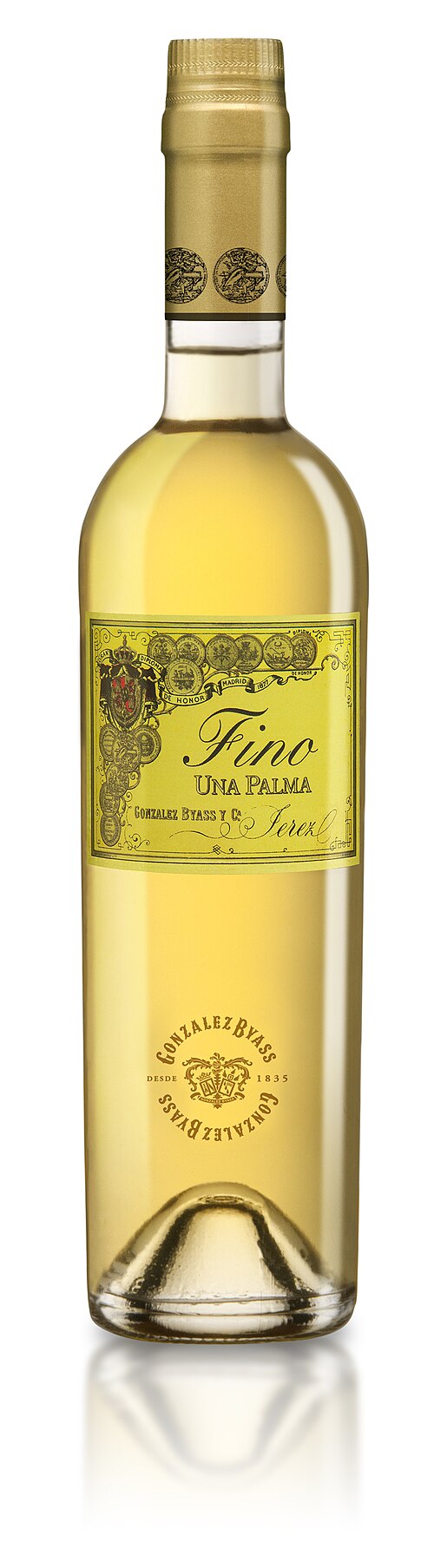
Fino Sherry
The driest, palest style of sherry, aged under a layer of flor yeast for a crisp, slightly nutty, saline flavor - popular in sherry cocktails and as a low-proof aperitif.
Origin
Jerez de la Frontera, Spain, a wine-growing region with roots tracing to Phoenician settlement around 1100 BC, later shaped by centuries of Moorish rule.
History
Sherry's name derives from Jerez, which the Moors called Sherish during their centuries of rule over the region, and the area has produced wine for over 3,000 years. Fino, the driest and palest sherry style, develops its distinctive character from flor, a layer of native yeast that forms on the wine's surface during aging and protects it from oxidation while imparting a very particular tang, matured through the region's traditional solera system, a tiered blending method that combines younger and older vintages for consistency. In cocktails, fino's dry, briny character has made it an increasingly popular modern substitute for dry vermouth in classic gin drinks.
Flavor profile
Bone-dry, briny, and yeasty, with almond and green apple notes and almost no residual sweetness.
Tasting notes
Sharp and saline, with a distinct bready, yeasty tang from flor aging, plus green apple and almond notes - noticeably drier and more savory than a standard dry vermouth, best served chilled and consumed relatively quickly once opened since it oxidizes fast.
Substitutes
- Manzanilla sherry, for an extremely close, slightly saltier substitute from the coastal town of Sanlucar de Barrameda.
- Dry vermouth, for a related but sweeter, less briny substitute.
- A different fino sherry producer, since the style itself is fairly consistent across houses.