
Dubonnet Rouge
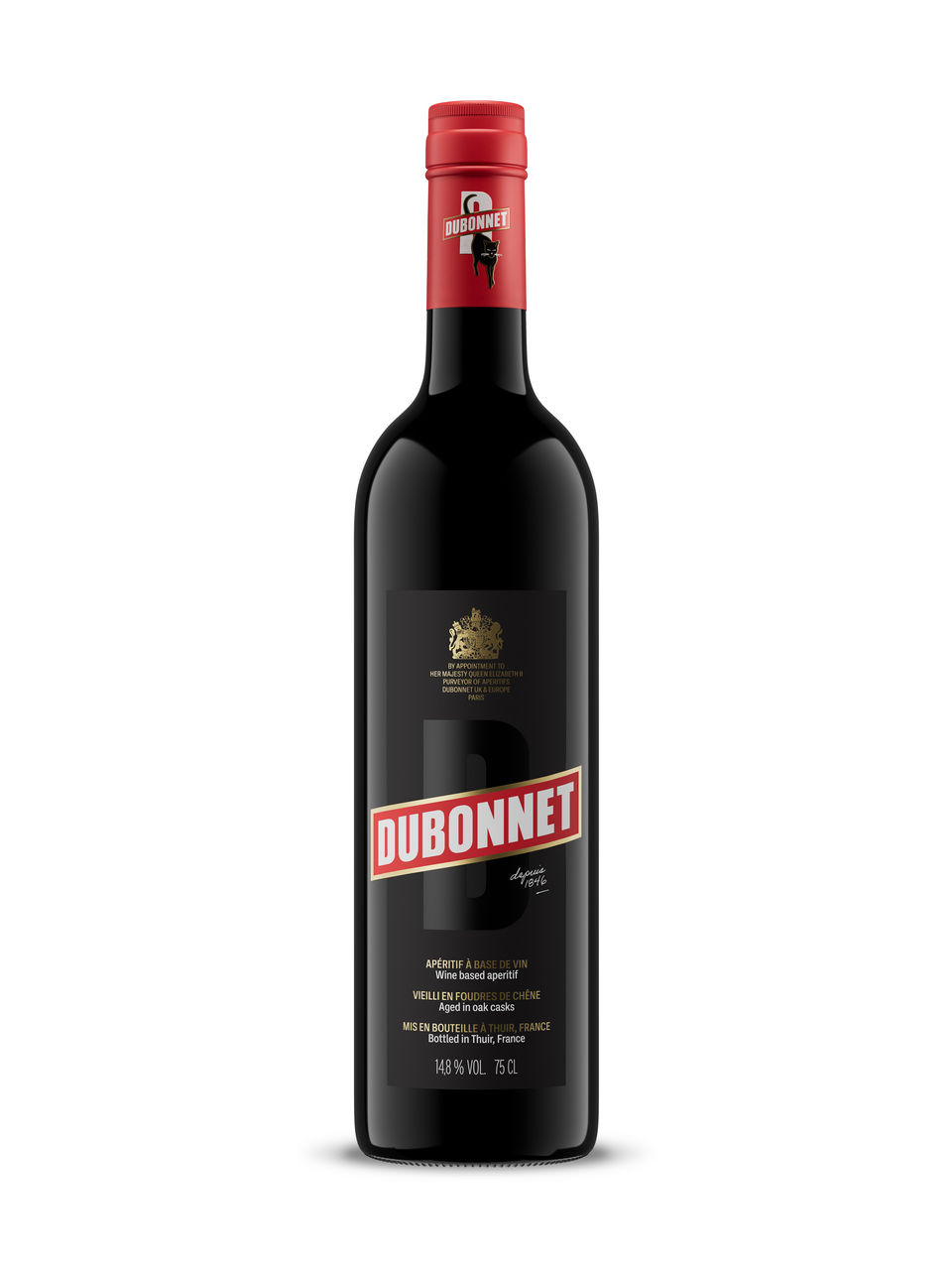
A sweet, aromatized French wine flavored with herbs and quinine, similar to a sweet vermouth. It's bottled in France at 14.8% alcohol, typically in a 750 mL bottle.
Origin
Paris, France, created in 1846 by Joseph Dubonnet, originally to help disguise the bitter taste of malaria-fighting quinine for French Foreign Legionnaires in North Africa.
History
Joseph Dubonnet, a Parisian wine merchant and chemist, developed Dubonnet in 1846 in response to a French government-sponsored competition seeking a more palatable way to get Foreign Legionnaires stationed in North Africa to consume quinine, an effective but intensely bitter anti-malarial derived from cinchona bark. Blended into a fortified, aromatized wine (placing it in the quinquina category alongside Cocchi Americano), it became commercially successful on its own merits, helped by striking Art Nouveau advertising in the 1880s, and rose to become France's best-selling aperitif by the turn of the century. It's most famously associated with Queen Elizabeth II, whose reported daily pre-lunch cocktail was two parts Dubonnet to one part gin with a slice of lemon; Dubonnet received a Royal Warrant in 2021.
Flavor profile
Sweet, wine-based, and herbal, with a distinct quinine bitterness running underneath dark fruit and spice notes.
Tasting notes
Rich and fortified-wine-like, with cherry and spice sweetness balanced by cinchona bark's characteristic bitterness, giving it more medicinal depth than a standard sweet vermouth while still being approachable enough to sip on its own over ice.
Substitutes
- Sweet vermouth, for a related but less quinine-forward substitute in most cocktail applications.
- Cocchi Americano Rosa (if available), for a more closely related quinquina-style substitute.
- Byrrh, for a different but comparably bitter, wine-based French aperitif.
Common cocktails