
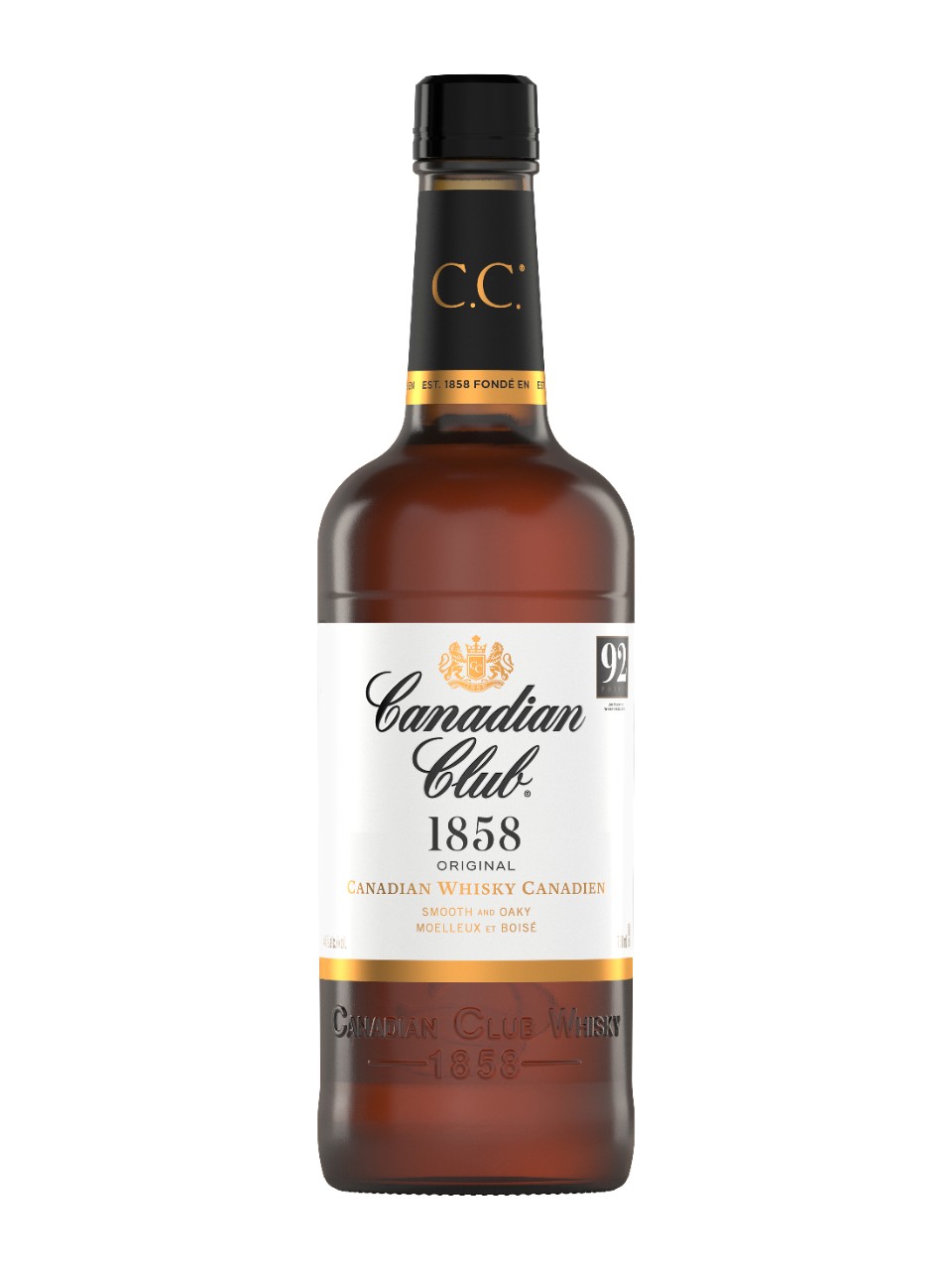
Canadian Whisky
A blended whisky style made in Canada, typically lighter-bodied and smoother than bourbon or Scotch.
Origin
Canada, with commercial whisky-making beginning around 1799 and rye grains becoming central to the style through 19th-century immigrant distillers.
History
Whisky-making in Canada is generally traced to John Molson's operations starting in 1799, with early Canadian distillers using wheat before German and Dutch immigrants introduced rye, which thrived in Canada's harsh winters and became closely associated with the country's whisky identity, even though "rye" in a Canadian context refers more to a flavor style than a strict rye-grain requirement the way it does in the U.S. Canada moved toward blended whisky production in the late 19th century, following the Scottish model, and it remains a predominantly blended category today: a column-distilled, very high-proof base whisky (essentially neutral) blended with smaller amounts of more flavorful "flavoring whisky," most often rye-heavy.
Flavor profile
Light, smooth, and easy-drinking, with a gentle grain sweetness and less intensity than American rye or bourbon.
Tasting notes
Noticeably lighter-bodied than American whiskey styles, with a mild sweetness and soft spice rather than a strong, singular flavor - built for smoothness and mixability more than bold, individual character.
Substitutes
- A light blended Scotch, for a similarly smooth, easy-drinking substitute.
- Bourbon or rye, understanding the flavor will be noticeably bolder and sweeter or spicier.
- A different Canadian whisky brand, since the category's overall style stays fairly consistent across producers.