
Brown Sugar
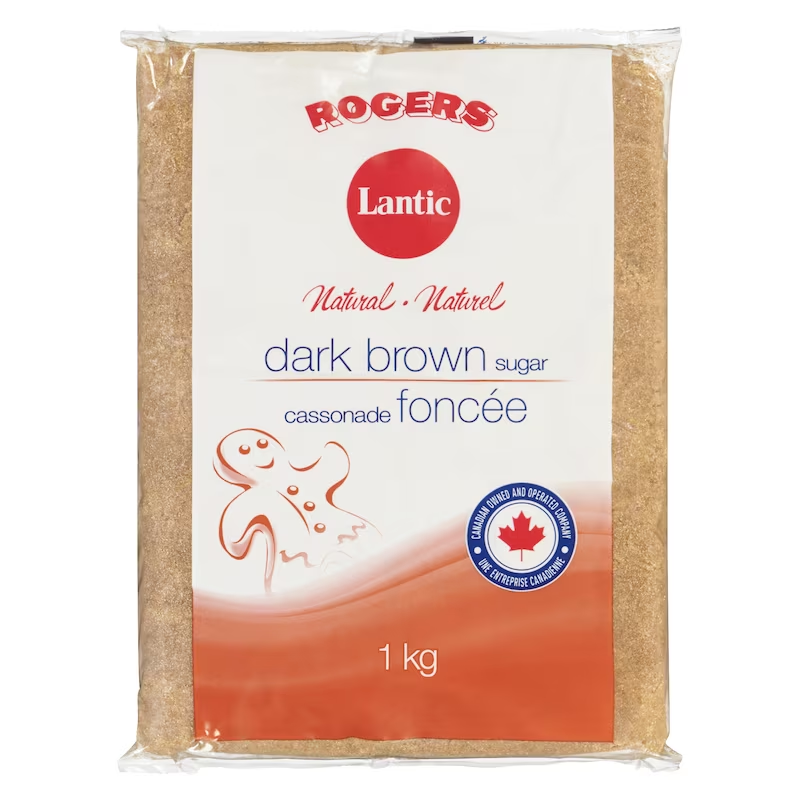
Sugar with molasses retained, giving a deeper, caramel-like sweetness than white sugar.
Origin
Wherever sugarcane is refined; brown sugar is either raw, less-refined cane sugar or white sugar with molasses added back in, a practice going back centuries to sugar's earliest refining processes.
History
Brown sugar predates fully refined white sugar in a practical sense, since early sugarcane processing naturally produced a coarser, molasses-retaining product before industrial refining techniques developed the ability to strip sugar down to a pure white crystal. Modern commercial brown sugar is usually made the other way around: refined white sugar with molasses added back in to a controlled degree (light or dark brown), a practice standardized in the 19th and 20th centuries as sugar refining became industrialized. In cocktails, it adds a deeper, more complex sweetness than white sugar, especially in rum, whiskey, and tiki drinks where its molasses notes complement the spirit.
Flavor profile
Warm, caramel, and molasses-like sweetness, richer and less neutral than plain white sugar.
Tasting notes
Tastes distinctly of molasses and caramel alongside its sweetness, adding real depth to a drink rather than just sugar content - dark brown sugar carries a stronger molasses note than light brown, useful for dialing in exactly how much of that flavor a recipe wants.
Substitutes
- Demerara sugar, for a similar but slightly less intense molasses character and a coarser texture.
- White sugar with a small amount of molasses stirred in, to build an equivalent flavor from scratch.
- Turbinado sugar, for a lighter, more mildly caramel-toned substitute.
Common cocktails