
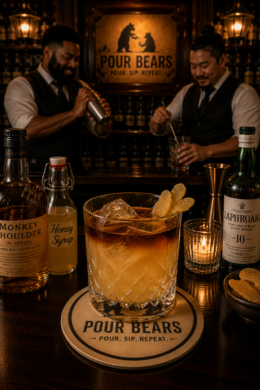
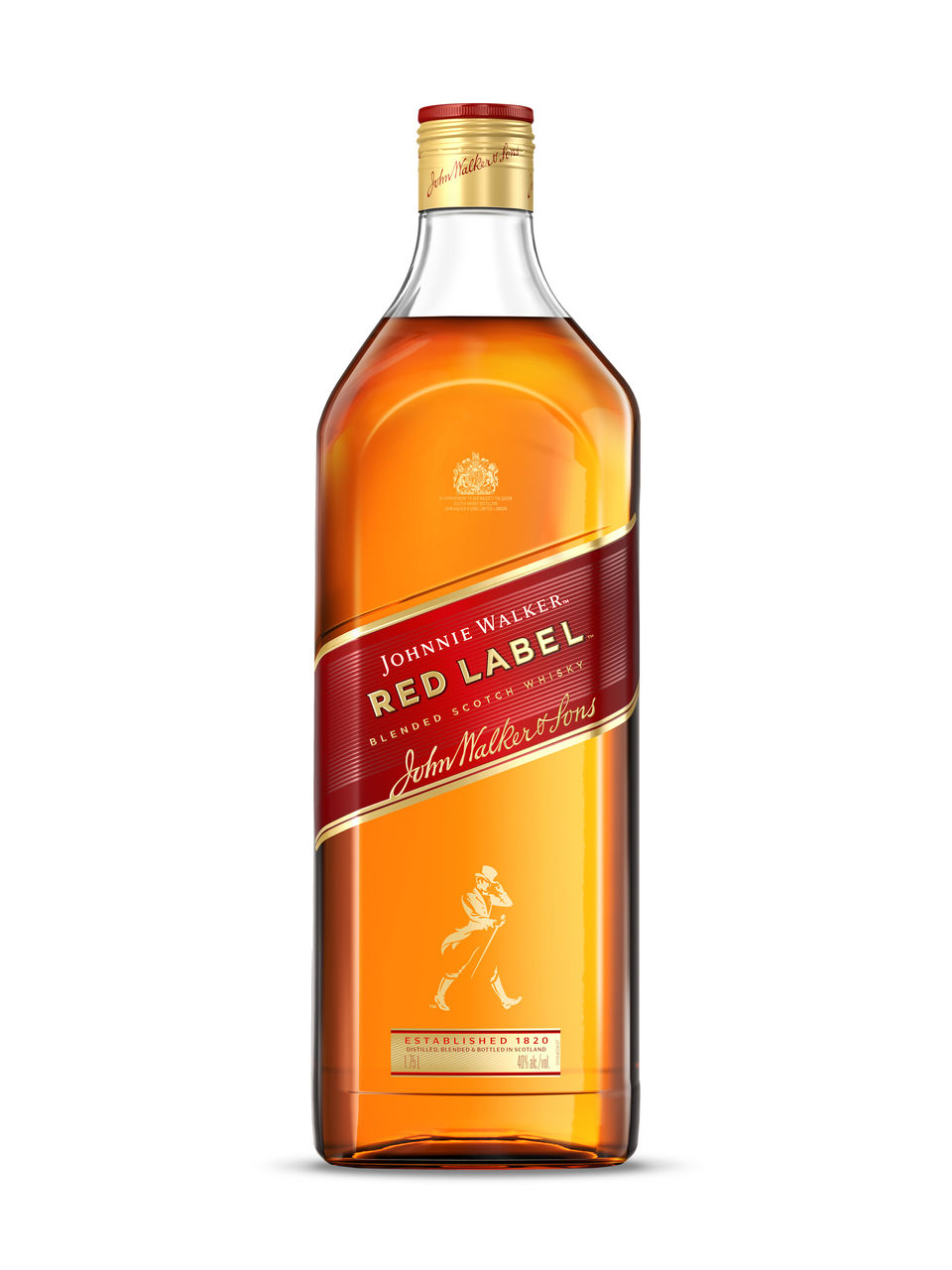
Blended Scotch
A Scotch whisky made by blending malt and grain whiskies from multiple distilleries for a balanced, approachable flavor.
Origin
Scotland, developed in the latter half of the 19th century as blenders combined malt and grain whiskies from multiple distilleries.
History
Blended Scotch emerged in the second half of the 19th century when grocers and merchants, most famously figures behind brands like Johnnie Walker, Dewar's, and Chivas Regal, began combining single malt whisky (often heavy, smoky, and inconsistent from cask to cask) with lighter grain whisky to produce something smoother and more consistent bottle to bottle. This consistency and approachability helped blended Scotch dominate the global whisky market through the 20th century, and it remains the large majority of all Scotch sold worldwide even today, despite single malt's greater prestige among enthusiasts.
Flavor profile
Smooth, balanced, and approachable, with lighter grain whisky softening the more intense, variable character of the malt whiskies blended into it.
Tasting notes
Generally lighter and more consistent than a single malt, with a gentler sweetness and less pronounced smoke or peat (unless the blend specifically includes Islay malts) - built for reliability and mixability rather than the bold, singular character a specific single malt aims for.
Substitutes
- A different blended Scotch, since consistency and approachability (rather than a singular distillery character) is the point of the category.
- A light single malt (Speyside or Highland style), for a more distinct but still approachable substitute.
- Irish whiskey, for a similarly smooth, easy-drinking substitute in a cocktail where Scotch's specific character isn't essential.
Common cocktails