
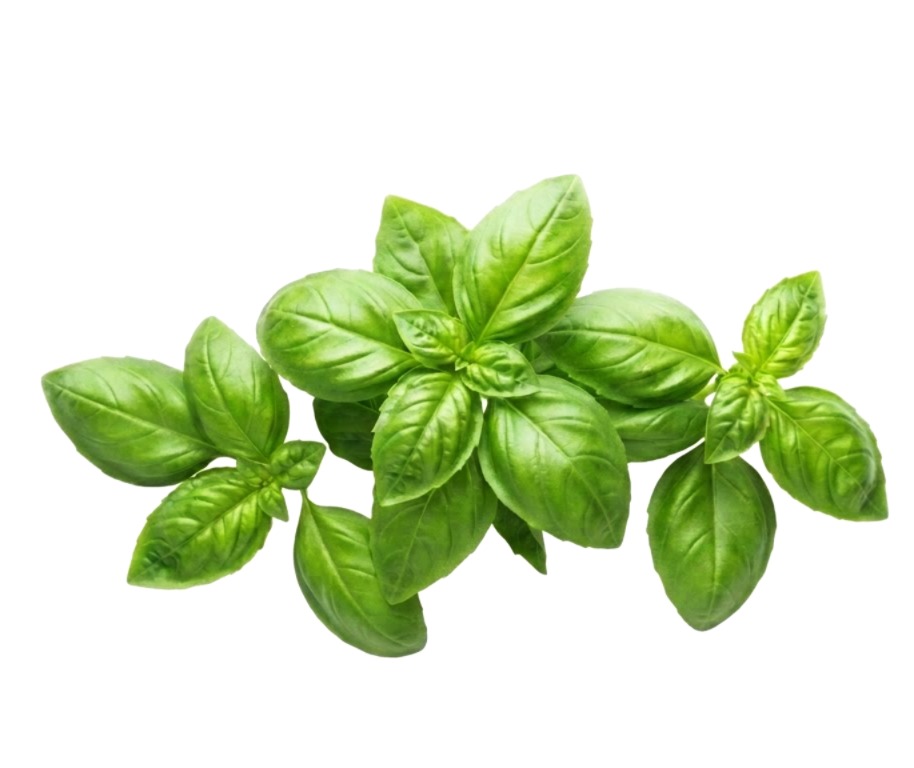
Basil Leaves
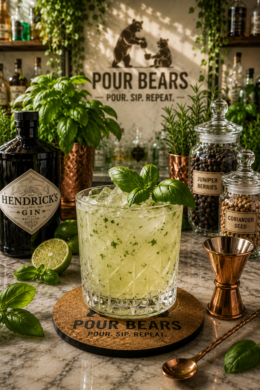
Fresh basil, muddled or used as a garnish to add a bright, peppery herbal note, as in a Gin Basil Smash.
Origin
India and Southeast Asia originally, spread through the Mediterranean via ancient trade routes and now grown worldwide.
History
Basil has been cultivated in South and Southeast Asia for thousands of years before spreading west along spice routes into the Mediterranean and Europe, where it became a defining herb of Italian cooking. Its move into cocktails is much more recent, part of the herbal, muddled-fresh-ingredient trend that took off in bartending in the 1990s and 2000s, pairing it with gin, vodka, and citrus in drinks inspired by the herb's savory kitchen role.
Flavor profile
Bright, peppery, and slightly sweet, with anise and mint undertones that vary by variety (Thai basil leans more toward licorice, Genovese basil is sweeter and more herbal).
Tasting notes
Muddling releases basil's peppery, slightly sweet aromatic oils, which pair well with citrus and berries but turn bitter and grassy if muddled too hard or left to sit too long in a drink.
Substitutes
- Mint leaves, for a different but comparably fresh, muddle-friendly herbal note.
- Thai basil specifically, for a more anise-forward variation if regular basil isn't available.
- A small amount of basil simple syrup, for the flavor without fresh leaves to muddle.
Common cocktails