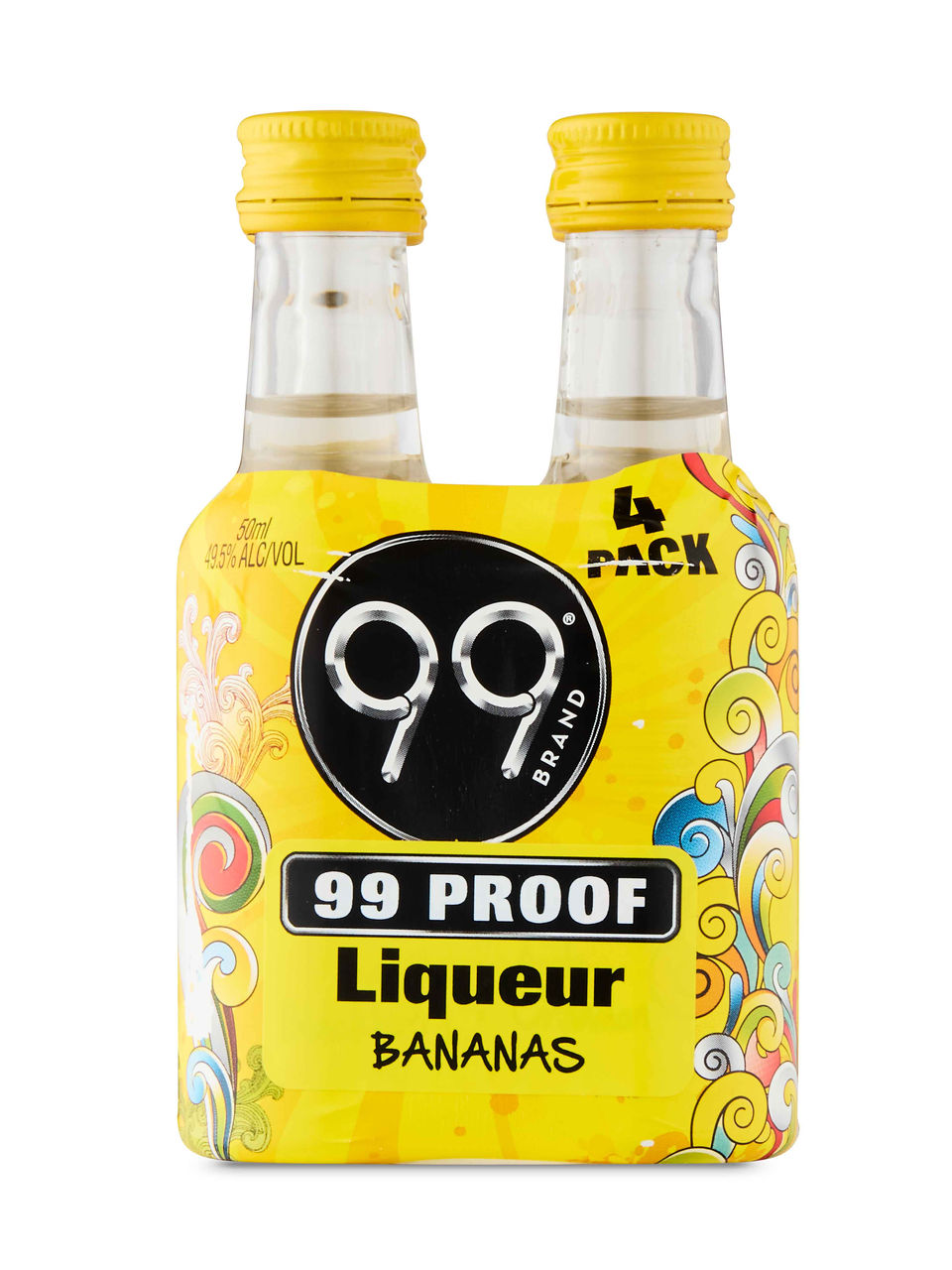
Banana Liqueur
A liqueur flavored with banana, adding tropical sweetness to cocktails.
Origin
France, where crème de banane developed in the late 19th and early 20th centuries as exotic tropical fruit became newly available through expanding trade routes.
History
As bananas became a fashionable new import in late-19th-century Europe, French liqueur houses began distilling and flavoring spirits with them, with mentions of banana brandy dating to the 1850s evolving into a proper crème de banane by the early 1900s. Historic distillers like Combier and later Marie Brizard, Bols, and DeKuyper helped make it a standard back-bar bottle, anchoring early cocktails like the Banana Bliss (Cognac and banana liqueur) and the 1930s-era Waterloo.
Flavor profile
Sweet and distinctly banana-like, often with a slightly artificial, candy-banana intensity compared to fresh fruit.
Tasting notes
A concentrated, almost banana-candy sweetness up front, without much of the fresh fruit's subtlety - useful for punching banana flavor through a drink with other strong ingredients, like rum or cream, without needing fresh fruit on hand.
Substitutes
- A different fruit liqueur (like crème de cacao) blended with a little banana extract, in a genuine pinch.
- Ripe muddled banana with a touch of extra sugar, for a fresher but less shelf-stable substitute.
- Malibu or another tropical rum, if banana flavor specifically isn't essential to the drink's identity.