
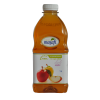
Apple Juice
Sweet juice pressed from apples, used to add mellow fruit flavor to cocktails.
Origin
Wherever apples are grown commercially; pressed apple juice has been made as a farmhouse product for centuries and industrially since the 19th and 20th centuries.
History
Pressing apples for juice and cider is an old farmhouse practice across apple-growing regions of Europe and North America, done long before refrigeration and pasteurization made shelf-stable bottled juice possible starting in the late 19th and early 20th centuries. Once pasteurized, filtered apple juice became a supermarket staple, distinct from the cloudier, often fermented cider tradition it grew out of. In cocktails, it provides a mellow, mildly sweet fruit base that plays well with whiskey, spiced rum, and warm baking spices, without the sharper acidity of citrus juice.
Flavor profile
Mellow and sweet, with a mild tartness that varies by the apple varieties used, and none of citrus juice's sharp acidity.
Tasting notes
Straightforward apple sweetness without much complexity on its own, which is exactly why it works well as a mixer: it adds body and a mild fruit note without competing with a spirit or overwhelming a drink's other flavors the way a stronger juice might.
Substitutes
- Apple cider (the unfiltered, often lightly spiced version), for more depth and a slightly more rustic character.
- Pear juice, for a similar mellow orchard-fruit sweetness.
- White grape juice with a small pinch of cinnamon, as a rough stand-in when no apple juice is on hand.