
Anisette
A sweet, anise-flavored liqueur similar to sambuca.
Origin
Bordeaux, France, commercialized starting in 1755 by Marie Brizard as one of the first liqueurs produced at scale.
History
Anisette is generally credited to Marie Brizard, who began commercially producing her anise liqueur in Bordeaux in 1755, making it one of the earliest liqueurs made at an industrial scale rather than a small household or monastic batch. Made from true anise seed rather than the star anise used in many other anise spirits, it became a popular substitute for absinthe once that spirit was banned in the early 20th century, prized for a sweeter, gentler profile that suited an after-dinner sipping style rather than absinthe's higher-proof intensity.
Flavor profile
Sweet, fennel-and-licorice flavored, and noticeably lower-proof and softer than drier anise spirits like anis or pastis.
Tasting notes
Sweet black licorice and fennel dominate, without the sharper alcohol bite of a higher-proof anise spirit, making it easy to sip on its own over ice or use as a sweetening, aromatic modifier in a cocktail.
Substitutes
- Sambuca, for a very similar sweet, anise-forward liqueur.
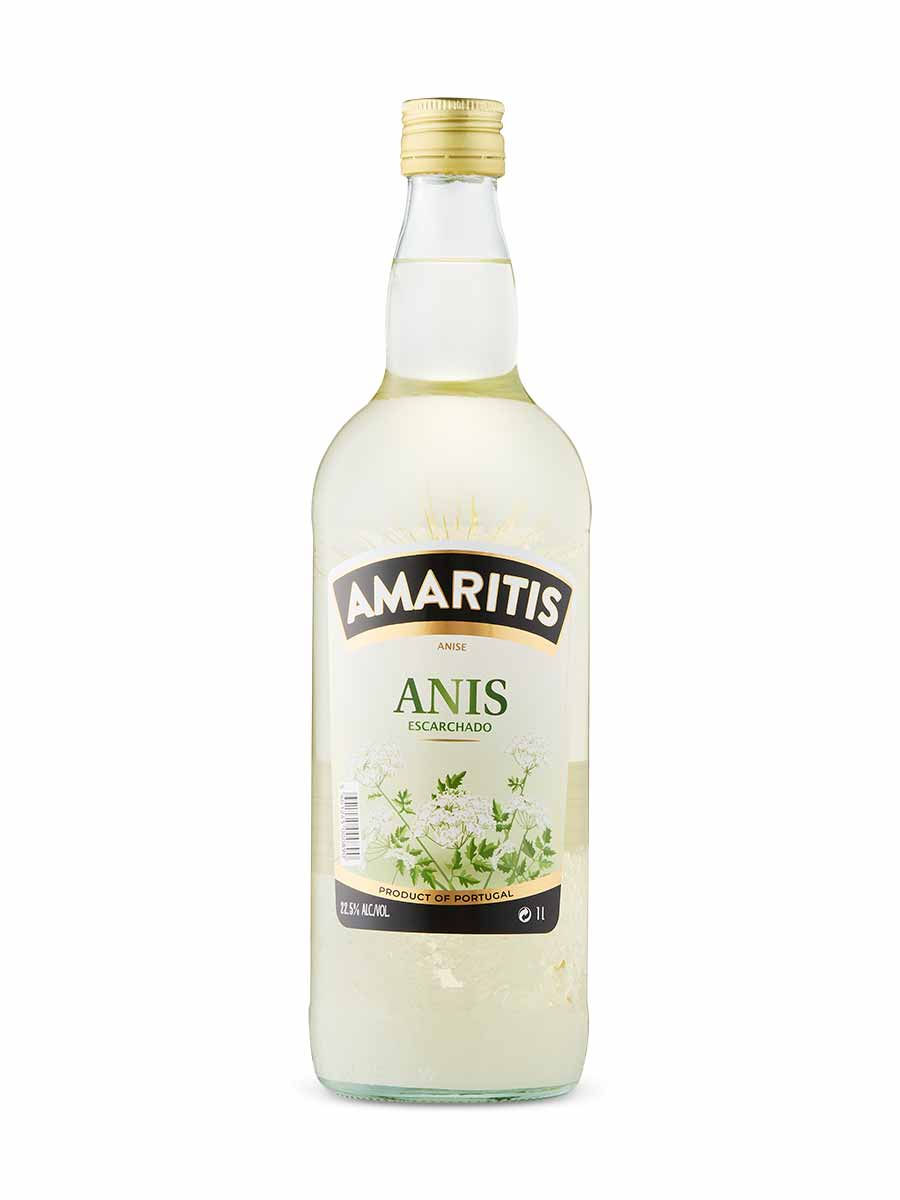
- Anis or pastis, in a smaller amount, for a drier substitute that will need a touch of added sugar to match anisette's sweetness.
- A splash of licorice-flavored syrup with a neutral spirit, as a rough last-resort stand-in.
Common cocktails