
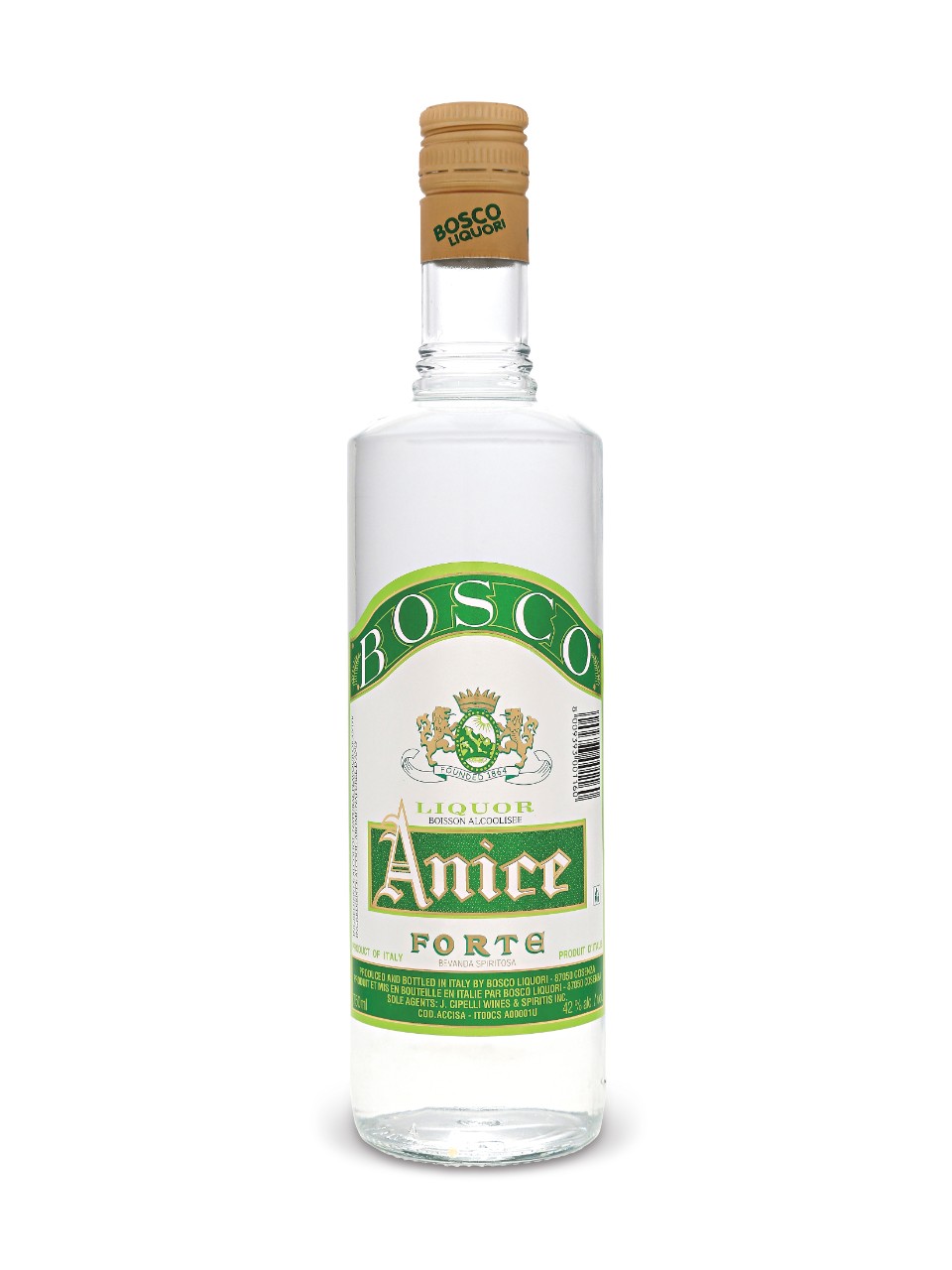
Anis
A licorice-flavored spirit or liqueur made from anise seed.
Origin
Spain and other Mediterranean anise-growing regions, where clear anise-flavored spirits developed alongside similar traditions in France, Italy, and Greece.
History
Anise-flavored spirits sprang up across the Mediterranean, wherever anise or star anise grew well, each region developing its own style: anís in Spain, ouzo in Greece, raki in Turkey, and pastis in France (the last developed specifically as a substitute once absinthe was banned in the early 20th century). These spirits share the same anise backbone but differ in sweetness, proof, and whether they're meant to be sipped neat, over ice, or cut with water, which turns them cloudy in the same louche effect absinthe is known for.
Flavor profile
Strong black licorice and anise character, generally drier and higher-proof than the sweeter anisette-style liqueurs.
Tasting notes
A concentrated hit of anise and licorice, less sweet than anisette and often bottled at a higher proof, so the alcohol warmth is more noticeable alongside the anise. Adding water clouds it and softens the anise into something more floral, the same reaction absinthe undergoes.
Substitutes
- Pastis, for a very similar dry anise character from a French bottling.
- Ouzo or raki, for a regional variation with a similar anise backbone but different sweetness and proof.
- Anisette, in a smaller amount to account for its greater sweetness, when only the sweeter style is on hand.